
Industry News
6 min
Video Analytics for Security: Beyond Basic Surveillance
AI-powered video analytics can detect intrusions, count people, and identify anomalies. This guide covers practical applications and integration strategies.

TeamMap·
118 articles on field operations, product updates, industry insights, and best practices.
AI-powered video analytics can detect intrusions, count people, and identify anomalies. This guide covers practical applications and integration strategies.
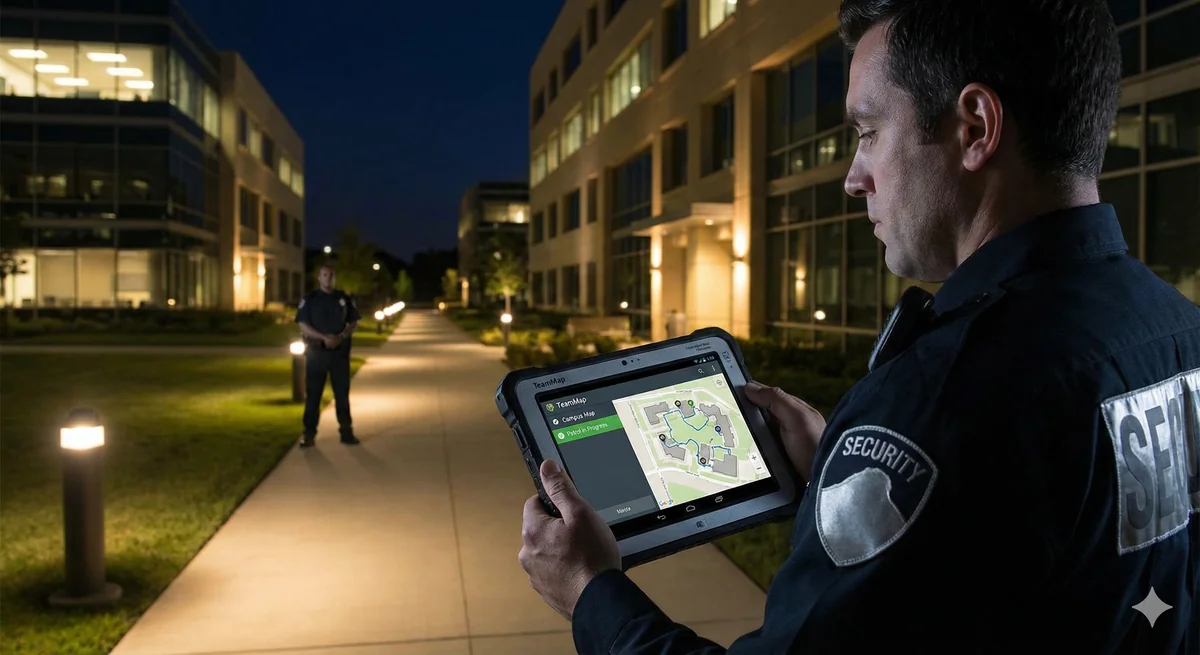
Navigate the Florida Division of Licensing application process for security guards, including background checks, training providers, and processing timelines.

From enterprise platforms to mobile-first apps, we review the top security guard software options. Honest assessments of features, pricing, and who each solution works best for.

New York State requires all security guards to register with the Division of Licensing Services. This guide covers pre-assignment training, on-the-job hours, and renewals.

From Knightscope to Boston Dynamics, security robots are entering the market. We examine capabilities, costs, and realistic use cases for physical security.

Belfry and TeamMap both serve security companies, but they take different approaches. This head-to-head comparison covers scheduling, GPS tracking, communication, and pricing.
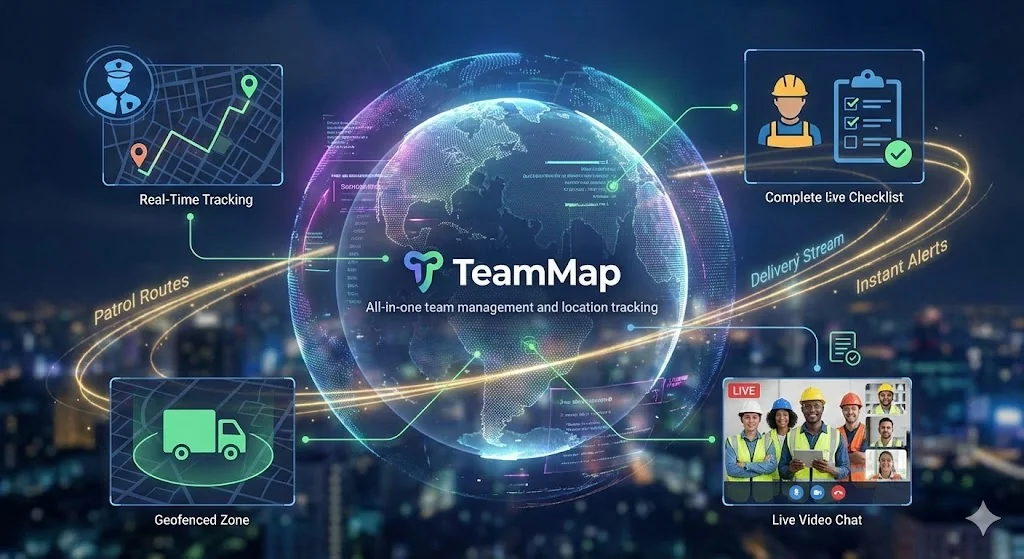
Guard turnover exceeds 100% annually at many companies. We look at what's causing the staffing shortage and what successful companies are doing differently.

TrackForce Valiant targets enterprise security operations while TeamMap is built for growing guard companies. We compare features, pricing, and implementation experience.

A detailed step-by-step walkthrough of the California BSIS guard card application process, including fingerprinting, Power to Arrest training, and processing timelines.

Drones are transforming perimeter security and incident response. This guide covers practical applications, FAA regulations, and calculating return on investment.
Florida requires Class D for unarmed guards and Class G for armed guards. This guide covers the Division of Licensing application, training, and renewal process.

Benefits aren't just for corporate jobs. Competitive health insurance, PTO policies, and retirement options help security companies attract and retain talent.
TrackTik is a well-known name in security workforce management, but it may not be the best fit for every company. We compare the top alternatives on features, pricing, and ease of use.
The security industry is shifting fast. Tighter budgets, staffing challenges, and new technology are changing how teams operate. Here's what's on the horizon and how to prepare.

Texas offers three security guard license levels, each with different training requirements and authority. Learn which level you need and how to advance through the tiers.

Organized retail crime is surging. We cover the detection strategies, technology tools, and staff training that help retailers protect their inventory.

A complete walkthrough of the Texas DPS security guard licensing process, from Level II non-commissioned to the PPO endorsement.
QuickBooks is popular among security companies, but setup matters. This guide covers chart of accounts, job costing, and integrating with scheduling software.

Everything you need to know about California BSIS guard card requirements, including training hours, background checks, and the application process for security professionals.
Add IP cameras to your TeamMap dashboard. Pin cameras on the live map, monitor online/offline status, view snapshots, and link cameras to patrol locations — all from one screen.

Maintain security operations when connectivity is limited. Covers TeamMap's offline capabilities, data sync procedures, and contingency workflows.

What are guards earning in your market? This comprehensive breakdown covers hourly wages, regional variations, and how pay rates affect turnover.

Standard operating procedures for parking control—violation documentation, warning and citation processes, towing authorization, and handling confrontational situations.
Deploy TeamMap's visitor kiosk for self-service check-in. Covers kiosk setup, host notifications, badge printing, and visitor log management.
Cash flow kills security companies. Effective billing practices—from contract terms to collection procedures—ensure you get paid for the hours worked.
A comprehensive key management policy covering master key systems, electronic access credentials, key logs, and procedures for lost or unreturned keys.
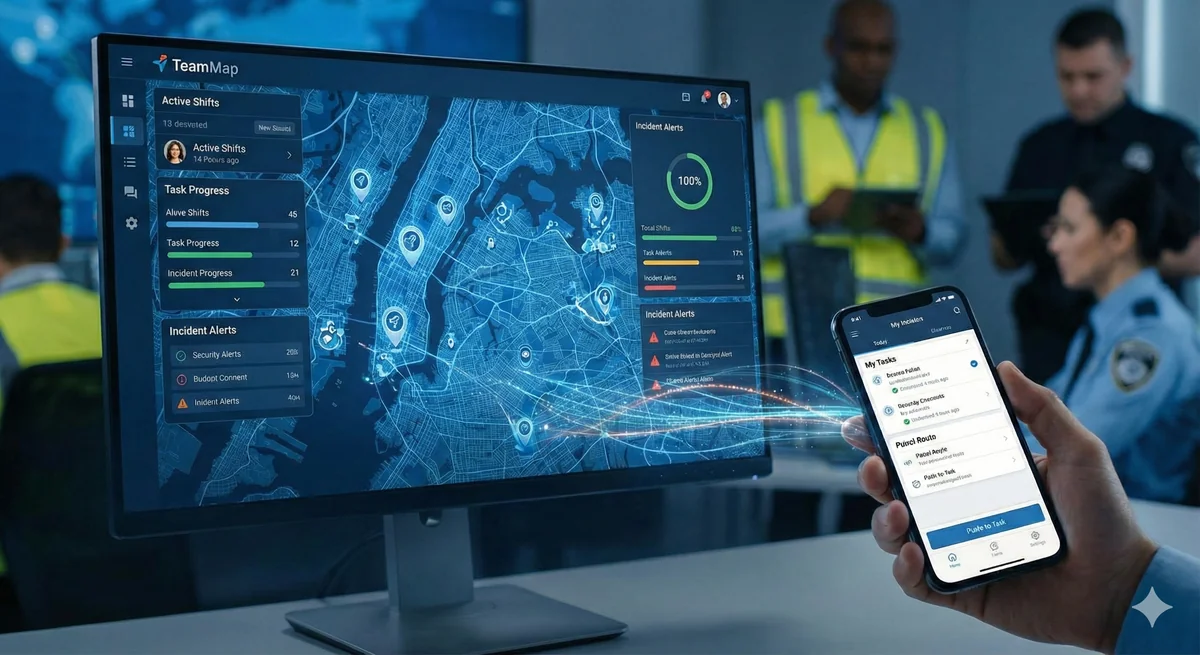
Set up and manage TeamMap channels for different sites, teams, and incident types. Includes communication protocols and channel organization strategies.
Security payroll is complex—multiple pay rates, overtime rules, and site-specific wages. This guide covers compliance, software options, and common mistakes to avoid.
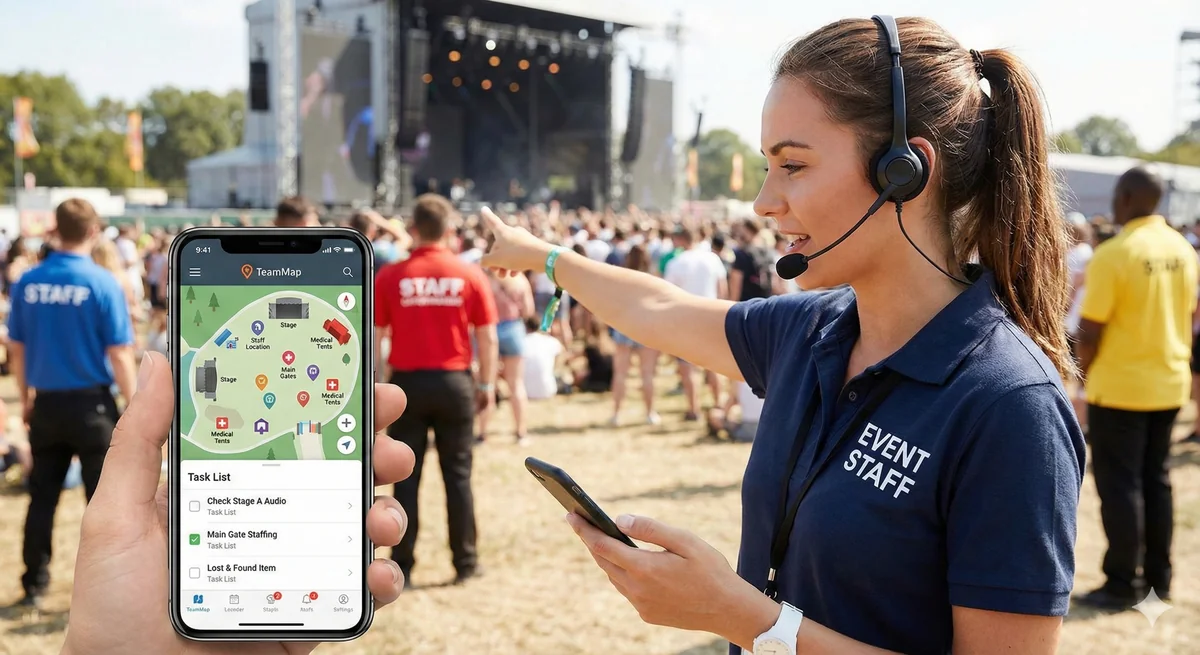
Assign, track, and verify security tasks with TeamMap. Covers task creation, priority assignment, completion verification, and follow-up procedures.
Acquiring new clients costs 5-7x more than keeping existing ones. These proven strategies help security companies maintain high retention rates.

A clear escalation framework that defines notification chains for different incident types and severity levels—from minor disturbances to critical emergencies.

Use TeamMap for digital shift assignments, real-time coverage tracking, and seamless handoffs. Complete workflow from scheduling to shift completion.

Configure TeamMap geofences for perimeter monitoring, restricted areas, and patrol zones. Covers alert thresholds, notification setup, and response procedures.
Patrol completion rates, response times, incident trends—see it all in one place. Generate client reports automatically and prove the value of your service.
A complete visitor management protocol covering pre-registration, ID verification, badge issuance, escort requirements, and visitor departure procedures.
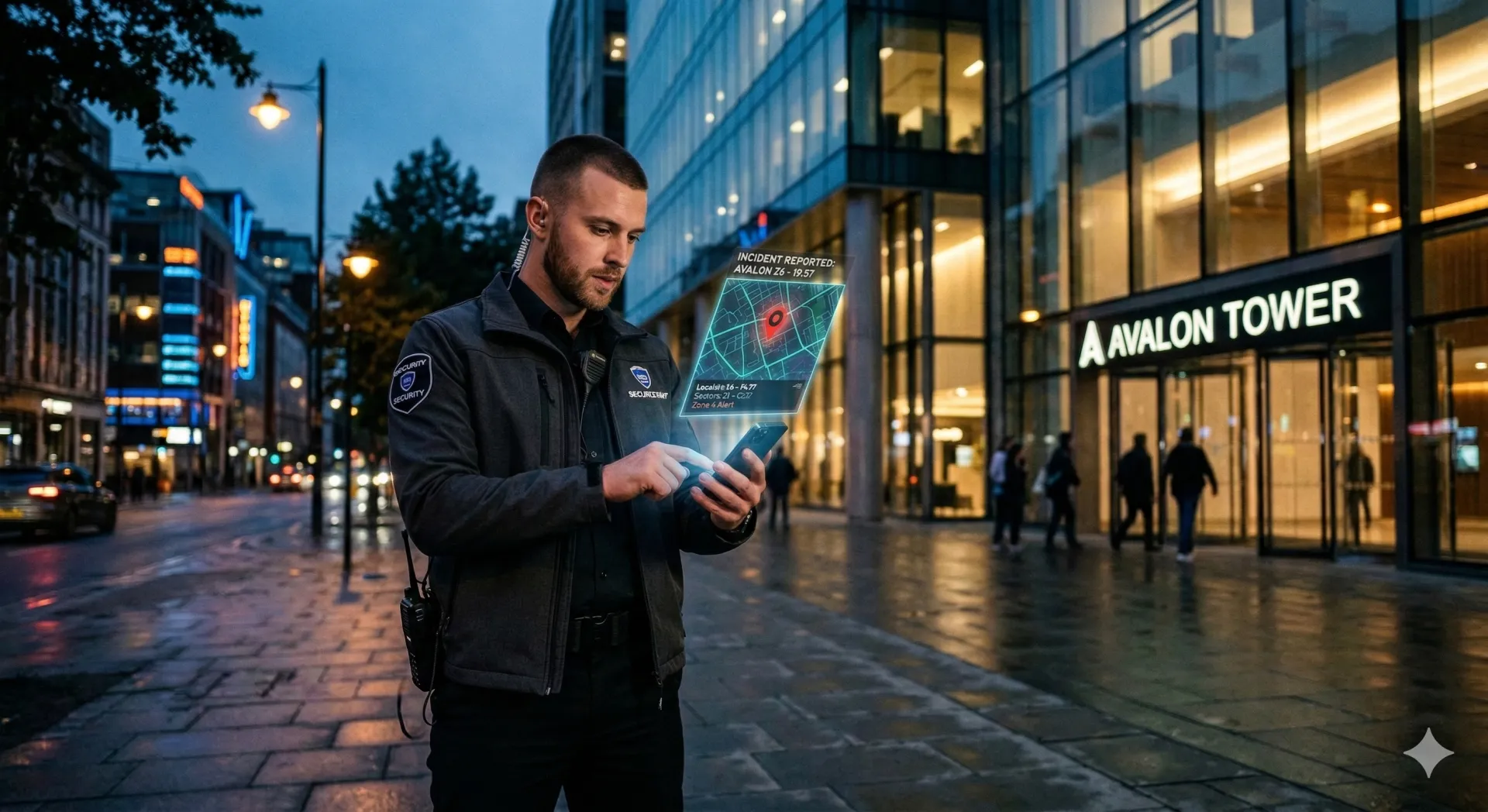
Use TeamMap's reports feature to capture incidents with photos, signatures, and automatic timestamps. Includes report templates and PDF generation.

Complaints are inevitable. How you handle them determines whether clients stay or leave. This guide covers response protocols and service recovery strategies.
A detailed checklist for evaluating physical security at any facility—perimeter, access control, lighting, surveillance, emergency systems, and operational procedures.

Communication protocols for TeamMap's walkie-talkie feature. Covers channel setup, radio discipline, emergency codes, and voice communication best practices.
Our new dispatch visualization shows animated routes from responders to incidents. Know exactly who's responding and how long they'll take to arrive.
A structured template for daily security reports that captures all essential information—incidents, observations, maintenance issues, and patrol completion.

Step-by-step procedures for using TeamMap's NFC scanning to verify guard tour completion. Includes tag placement, scanning protocols, and troubleshooting.

Security is a service business. How your team handles client communication, complaints, and requests directly impacts contract renewals and referrals.

Use TeamMap's real-time location tracking to verify patrol routes, checkpoint visits, and response times. Complete setup guide with configuration tips.

Sometimes push-to-talk isn't enough. Our new video calling feature lets supervisors and guards connect face-to-face for briefings, incident response, and complex coordination.
When a major incident happens at a client site, your response defines your reputation. This guide covers crisis planning, communication protocols, and recovery.

A thorough security audit identifies vulnerabilities before incidents occur. Use this comprehensive checklist to assess any facility's physical security posture.

CPR, firearms, guard cards—a practical playbook for keeping every credential current. How to capture certifications, warn before they expire, and stay audit-ready.
When seconds count, guards need clear decision trees. This quick reference covers medical emergencies, fires, active threats, suspicious packages, and more.
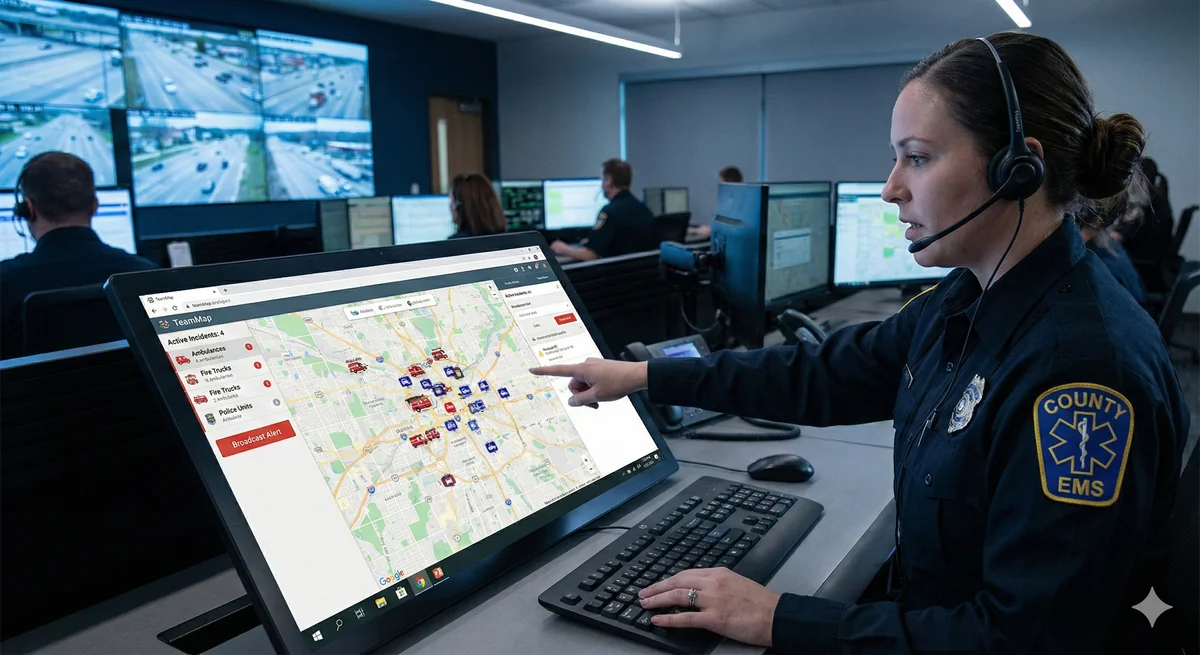
Good post orders prevent confusion and ensure consistent service. Learn how to write clear instructions covering duties, emergency procedures, and client expectations.
The holiday rush is when you need full coverage—and when callouts spike. Build schedules and incentives that keep your retail security teams showing up.
Give your property managers 24/7 access to patrol verification, incident reports, and guard locations. Build trust and reduce support calls with transparent security operations.

Data centers require the highest levels of physical security. This guide covers multi-layer access control, mantrap configurations, and 24/7 monitoring protocols.
Transform any tablet into a visitor management station. Guests check themselves in, hosts get notified, and you have a complete visitor log—all without a dedicated receptionist.

Manufacturing facilities face threats from theft, industrial espionage, and workplace violence. This guide covers perimeter security, visitor management, and OSHA compliance.

With billions in inventory moving through warehouses, security is critical. This guide covers access control, surveillance placement, and cargo theft prevention.

Radios, keys, vehicles, uniforms—track it all. Our new inventory management feature handles check-out, transfers, and accountability for every piece of equipment.

Construction sites are high-value theft targets. This guide covers perimeter control, access management, equipment tracking, and safety protocols for securing active job sites.

Dispensaries face unique security challenges—cash-heavy operations, strict compliance requirements, and heightened theft risk. Here's how to protect them properly.

A comprehensive patrol protocol covering checkpoint sequences, observation techniques, documentation requirements, and response procedures for security officers.
Illegible handwriting, lost paper forms, delayed submissions—paper reporting creates problems. Digital reports with photos, signatures, and automatic timestamps solve them.
Poor shift handoffs lead to missed incidents and security gaps. This step-by-step SOP template ensures critical information transfers between guards every time.

Gated communities, apartment complexes, and HOAs have unique security needs. Learn how to structure patrol services, access control, and resident communication.

The security industry averages over 100% annual turnover. This guide covers the root causes and practical retention strategies that keep your best guards on the team.
A step-by-step framework for handling common security incidents—medical emergencies, trespassing, theft, and more. Includes downloadable checklists your team can customize.
Overtime eats margins fast in contract security. This guide covers scheduling strategies, break compliance, split-shift rules, and tools that keep labor costs predictable.

Most states require security companies to post surety bonds before licensing. This guide covers bond amounts, costs, and how to get bonded quickly.

From general liability to professional indemnity, this guide covers every insurance policy a security guard company needs to operate legally and protect against claims.
The Affordable Care Act creates reporting requirements and potential penalties for employers. Here's how security companies can stay compliant without overspending.

School security requires a unique approach—balancing safety with a welcoming environment for students. This guide covers protocols, training, and technology.
The hybrid model—remote video monitoring backed by mobile patrol response—is growing fast. Here's how to structure hybrid services and price them profitably.
Define patrol routes with specific waypoints, timing requirements, and verification methods. Guards follow the route, you verify completion—simple.
Your website is often the first impression. Learn what property managers and corporate clients expect to see—and what turns them away.
Paper logs and wand systems are outdated. NFC checkpoints let guards verify patrol completion with a phone tap—reliable proof for clients, minimal friction for officers.

Concerts, festivals, corporate events—each requires careful security planning. This guide covers staffing ratios, crowd management, and incident response protocols.
The Incident Command System isn't just for firefighters. Learn how security teams use ICS principles to coordinate complex incidents, from active threats to large-scale evacuations.
Most security companies rely on referrals alone. Here are proven marketing tactics—from LinkedIn outreach to local SEO—that help you win more contracts.
Managing schedule changes just got easier. Guards can now request shift swaps and time off directly in the app, with built-in approval workflows for supervisors.

Hotel security must be effective yet unobtrusive. This guide covers lobby security, floor patrols, event security, and handling guest incidents professionally.

From risk assessment to emergency response, this guide covers how to protect congregations without creating a fortress atmosphere. Includes volunteer training tips.
The reports you send clients determine whether they renew. Here's how to structure weekly and monthly reports that demonstrate the value of your security service.
We redesigned our voice communication system with lower latency, better audio quality, and improved reliability in low-signal areas. Here's what changed and why.

Identify your company's strengths, weaknesses, opportunities, and threats. Use this framework to make better business decisions and outmaneuver competitors.

Clients increasingly expect digital reporting, GPS verification, and real-time communication. Here's how to position your technology stack to win contracts.
A practical framework for calculating the return on investment from security guard software. Includes overtime reduction, admin time savings, and client retention factors.
When a client claims your guards failed to prevent a theft or injury, professional liability (E&O) insurance covers your defense. Here's what security companies need.
Not all patrol apps are created equal. This guide breaks down the key features, pricing models, and red flags to watch for when evaluating guard tour software.
Construction sites lose billions annually to theft. Mobile patrols, access control, and GPS-tracked equipment are changing how contractors protect their sites.
Armed security requires additional licensing, training certifications, and insurance coverage. Here's what you need to know before offering armed guard services.
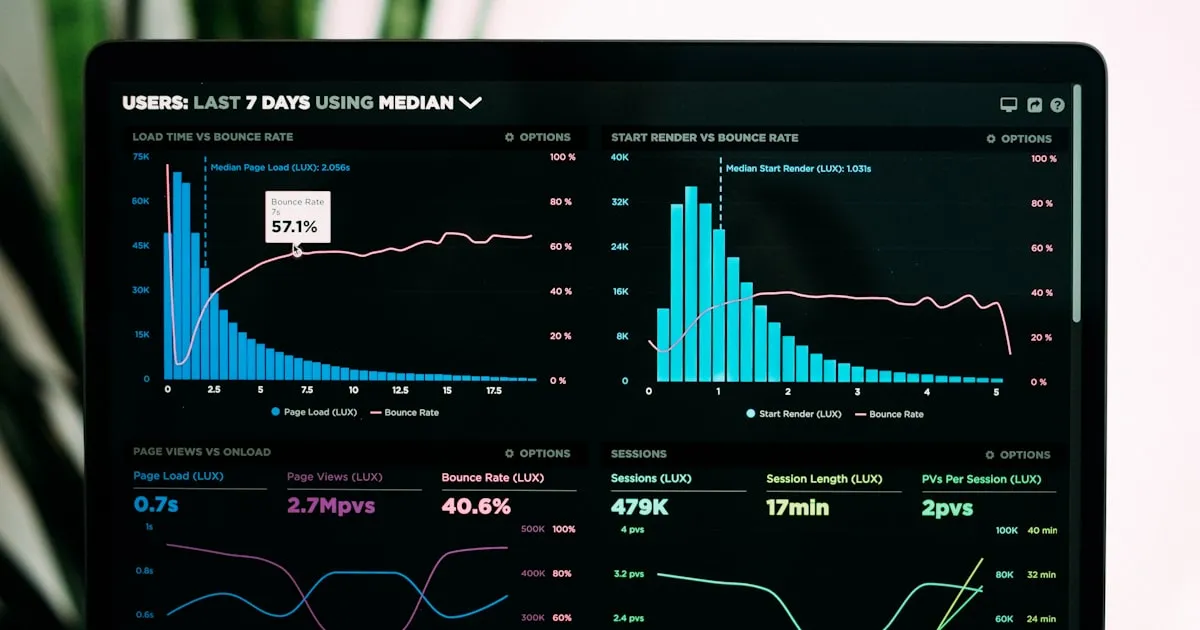
Our latest update adds customizable dashboards, automated client reports, and new metrics for tracking patrol completion, response times, and incident trends.
A well-written service agreement protects both you and your clients. This guide covers scope of work, liability limits, termination clauses, and payment terms.
Combining remote video monitoring with on-call patrol can reduce costs while maintaining response capability. This guide covers how to structure hybrid security services.

Healthcare security faces unique challenges—workplace violence, HIPAA compliance, psychiatric holds, infant abduction prevention. Here's how top hospital security teams operate.

Mobile credentials, biometrics, and Bluetooth-based systems are replacing traditional badge access. Here's an honest look at the pros, cons, and implementation challenges of each.
From licensing and insurance to landing your first contract, this step-by-step guide covers everything you need to launch a successful security guard company.

You don't need an enterprise budget to build a functional SOC. This guide walks through the equipment, software, staffing, and processes needed for 24/7 monitoring.
Overtime is one of the biggest profit killers in contract security. Here are the scheduling strategies and tools that help companies bring labor costs under control.
Pricing too low kills margins. Pricing too high loses contracts. This guide covers cost-plus pricing, market-rate analysis, and how to calculate profitable bill rates.

Geofencing sounds simple, but poor configuration leads to constant noise or missed incidents. Learn how to set boundaries, buffer zones, and alert thresholds that actually work.
A practical business plan template tailored for security guard companies. Includes market analysis, financial projections, and operational planning sections.
Workers' comp premiums can crush cash flow. Pay-as-you-go programs let you pay based on actual payroll instead of estimates—reducing audit surprises.
Overtime costs add up fast. This guide covers scheduling strategies that help security companies control labor costs while maintaining coverage—no complex software required.
General liability is the foundation of your insurance program. This guide covers coverage limits, exclusions, and how to get quotes that protect your business.

Running a mobile patrol operation means managing vehicles efficiently. This guide covers vehicle selection, life-cycle costs, maintenance schedules, and GPS tracking.
With industry turnover exceeding 100% annually, keeping good guards is a competitive advantage. Here's what successful security companies do differently.
Location tracking can improve accountability and safety—but it can also backfire. This guide covers the privacy policies, communication strategies, and technical settings that make the difference.
Last-minute callouts disrupt operations and frustrate clients. These proven strategies help reduce no-shows and build a more reliable workforce.
Security guards handle sensitive data every day—access logs, incident reports, visitor information. This primer covers the essential habits that protect that data from breaches.

Regular post inspections ensure guards have what they need and sites meet standards. This checklist covers equipment, documentation, and site condition reviews.
Finding qualified guards is harder than ever. This guide covers where to recruit, what to look for in interviews, and how to onboard new hires effectively.
When guards work alone, regular check-ins ensure someone notices if something goes wrong. Here's how to implement welfare checks without creating busywork.
Most incident reports are either too brief or too verbose. This guide covers the structure, details, and writing style that makes reports useful for clients and legal proceedings.
New hire orientation, site-specific training, ongoing development—here's how to build a training program that reduces turnover and improves performance.
Checkpoint placement determines patrol effectiveness. This comprehensive guide covers interior points, exterior points, high-risk areas, and spacing strategies.

Working the night shift brings unique challenges—fatigue, isolation, reduced visibility. This guide covers practical strategies for staying alert and handling incidents when you're on your own.
Uniforms affect how guards are perceived by the public and clients. This guide covers uniform policies, supplier selection, and maintaining professional appearance.

Body-worn cameras protect guards, deter incidents, and provide evidence. This guide covers camera selection, recording policies, and data management.

From flashlights to body cameras, the right equipment makes guards more effective. This guide covers must-have gear, optional tools, and procurement strategies.