Cybersecurity Basics for Physical Security Teams
Security guards handle sensitive data every day—access logs, incident reports, visitor information. This primer covers the essential habits that protect that data from breaches.


Physical security teams handle sensitive information every day. Access credentials, visitor logs, incident reports, employee data—all of it needs protection.
Most breaches result from basic mistakes: weak passwords, shared credentials, unattended devices, phishing. Enable screen locks, auto-lock, and remote wipe. Report suspected breaches immediately—quick reporting limits damage.
The Basics That Get Skipped
Most security breaches don't involve sophisticated hacking. They're basic mistakes:
- Weak passwords: "Security123" protects nothing. Use unique, complex passwords for every system.
- Shared credentials: When everyone uses the same login, you can't track who did what.
- Unattended devices: A logged-in phone or laptop is an open door.
- Phishing: That email from "IT" asking for your password isn't from IT.
Device Security
If a device is lost or stolen, report it immediately. Minutes matter for remote wipe.
Handling Sensitive Information
Think before sharing or storing sensitive data:
- Don't send sensitive information over unencrypted email or text
- Don't store access codes, passwords, or credentials in notes apps
- Don't take photos of sensitive documents on personal devices
- Don't discuss sensitive information in public areas
Recognizing Social Engineering
Attackers often target security personnel because they have access. Watch for:
- Urgency: "I need this right now" is designed to bypass your judgment.
- Authority claims: "The CEO authorized this"—verify before acting.
- Unusual requests: If it seems wrong, it probably is.
- Flattery or intimidation: Both are manipulation tactics.
When in doubt, verify through a separate channel. Call back using a known number. Check with your supervisor.
Incident Response
Key Takeaways
- Use unique passwords for every system—never share credentials
- When in doubt about a request, verify through a separate channel
- Quick reporting limits damage—there's no penalty for reporting nothing
Continue Reading

Video Analytics for Security: Beyond Basic Surveillance
AI-powered video analytics can detect intrusions, count people, and identify anomalies. This guide covers practical applications and integration strategies.
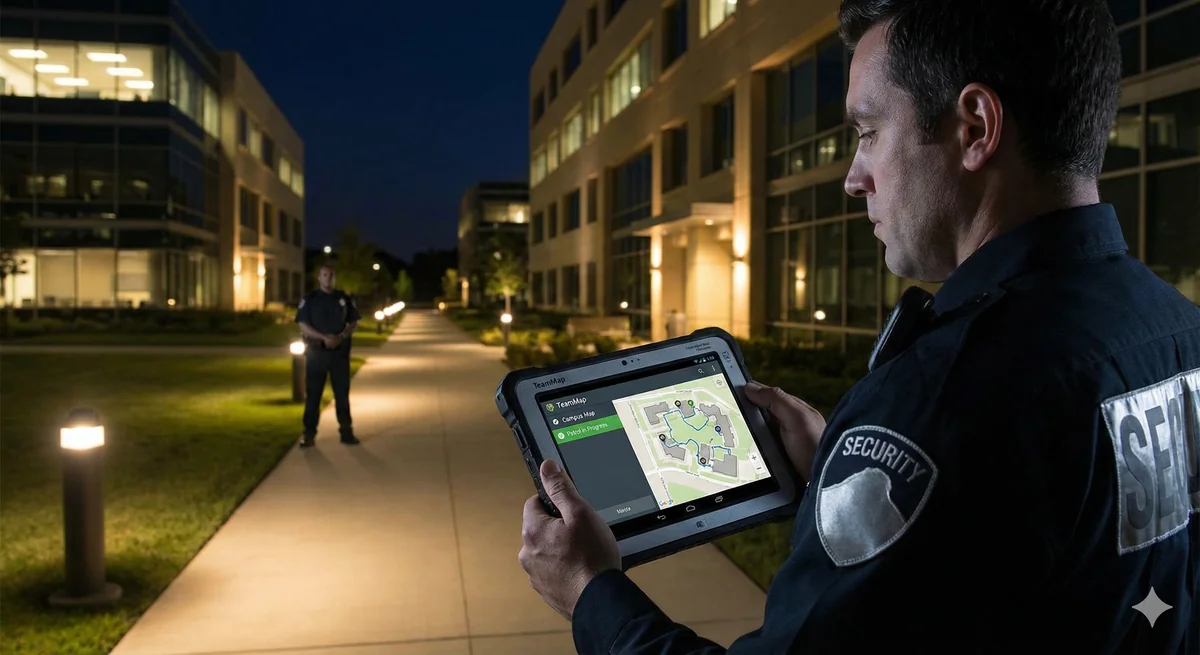
Florida Security Guard License Application: Division of Licensing Guide
Navigate the Florida Division of Licensing application process for security guards, including background checks, training providers, and processing timelines.
The 10 Best Security Guard Management Software Solutions in 2026
From enterprise platforms to mobile-first apps, we review the top security guard software options. Honest assessments of features, pricing, and who each solution works best for.