Building a Security Guard Training Program: A Complete Framework
New hire orientation, site-specific training, ongoing development—here's how to build a training program that reduces turnover and improves performance.


Good training reduces turnover, improves performance, and protects your company from liability. Guards who feel prepared perform better and stay longer. Guards who feel thrown into situations without adequate preparation leave—often within the first few weeks. A comprehensive training program represents an investment that pays returns in retention, service quality, and reduced incident liability.
Effective guard training has four phases: pre-assignment basics, site-specific training, supervised field training, and ongoing development. Document everything, track retention rates, and use incident debriefs as learning opportunities.
The Four-Phase Training Structure
Effective training programs progress through distinct phases rather than dumping everything on new hires at once. This progressive approach ensures guards build competency incrementally and aren't overwhelmed before they've mastered fundamentals.
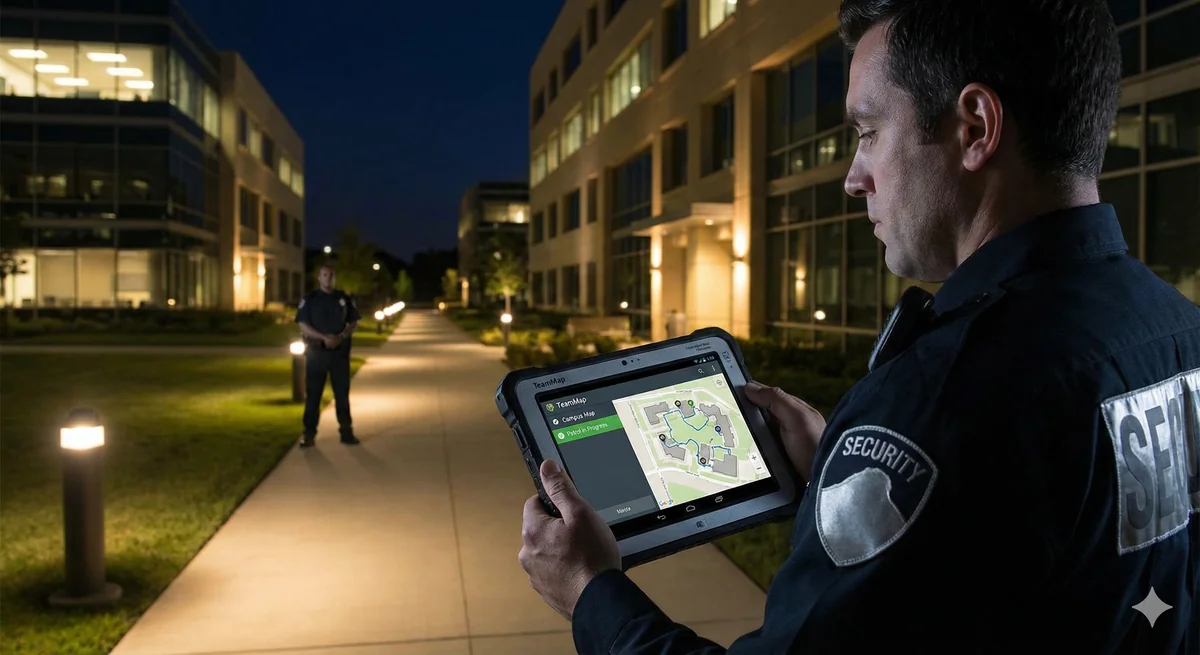
Phase one covers pre-assignment essentials that every guard needs regardless of their eventual post. State-required licensing training provides the legal foundation—hours and content vary by state, but this baseline must be completed before any work begins. Company policies and procedures familiarize guards with your organization's standards and expectations. Uniform and equipment issuance ensures guards have what they need and know how to use it. Technology training on apps, radios, and other systems prevents the frustration of guards struggling with tools they should have learned in training. General security principles round out the foundation before site-specific work begins.
Phase two delivers site-specific training tailored to each guard's assignment. Site layout and patrol routes must be learned through actual walkthrough, not just description. Post orders and client requirements detail what this particular client expects. Emergency procedures for the specific location address the unique evacuation routes, rally points, and protocols that vary from site to site. Key contacts and escalation paths ensure guards know who to call when situations develop. Site-specific equipment—access control systems, alarm panels, communication devices—requires hands-on familiarity before solo work.
Phase three puts training into practice through supervised field experience. New guards begin by shadowing experienced officers, observing how professionals handle the job before taking responsibility themselves. Supervised solo shifts allow guards to work independently while backup remains available if needed. Performance checkpoints at defined intervals assess whether guards are developing appropriately. Regular feedback and coaching correct problems early before they become habits.
Phase four continues throughout employment through ongoing development. Annual recertification maintains state requirements and refreshes fundamental skills. Advanced topic training develops capabilities beyond basics—specialized certifications, leadership skills, technical expertise. Supervisor development prepares promising guards for promotional opportunities. Incident debriefs transform real events into learning opportunities that benefit the entire team.
Core Training Topics
Certain topics require coverage regardless of assignment or client. Legal and authority training ensures guards understand the limits of their role—what they can and cannot do when confronting violations or threats. Detention and use of force receive particular attention because mistakes in this area create serious liability. Privacy and search limitations prevent guards from overstepping in ways that expose the company to claims. Liability awareness helps guards understand that their actions have legal consequences.
Emergency response training prepares guards for situations they hope never occur but must be ready to handle. Fire and evacuation procedures address the most common emergency scenario. Medical emergency response—including first aid and CPR for many positions—enables guards to help until professional responders arrive. Active threat response has become essential training given current realities. Natural disaster procedures vary by region but deserve attention wherever relevant.
Communication skills often determine success more than technical security knowledge. Professional conduct with the public shapes client and visitor impressions. De-escalation techniques prevent situations from escalating to confrontation. Report writing creates the permanent record that serves legal and operational purposes. Radio and communication protocols ensure clear, professional interaction with dispatch and teammates.
Training Documentation
Documentation transforms training from claimed to proven. Keep records of all training:
- Training topics and dates
- Trainer identification
- Trainee acknowledgment signatures
- Test scores where applicable
- Field training evaluations
Measuring Effectiveness
- 90-day retention rate by trainer
- Incident rates among newer vs. experienced guards
- Client feedback on guard performance
- Policy violation frequency
Key Takeaways
- Four phases: pre-assignment, site-specific, field training, ongoing development
- Cover legal authority limits, emergency response, and communication skills
- Document all training with signatures and test scores
- Track 90-day retention and incident rates to measure program effectiveness
Continue Reading

Video Analytics for Security: Beyond Basic Surveillance
AI-powered video analytics can detect intrusions, count people, and identify anomalies. This guide covers practical applications and integration strategies.
Florida Security Guard License Application: Division of Licensing Guide
Navigate the Florida Division of Licensing application process for security guards, including background checks, training providers, and processing timelines.

The 10 Best Security Guard Management Software Solutions in 2026
From enterprise platforms to mobile-first apps, we review the top security guard software options. Honest assessments of features, pricing, and who each solution works best for.