Hospital Security: Managing Violence, Access, and Emergency Response
Healthcare security faces unique challenges—workplace violence, HIPAA compliance, psychiatric holds, infant abduction prevention. Here's how top hospital security teams operate.

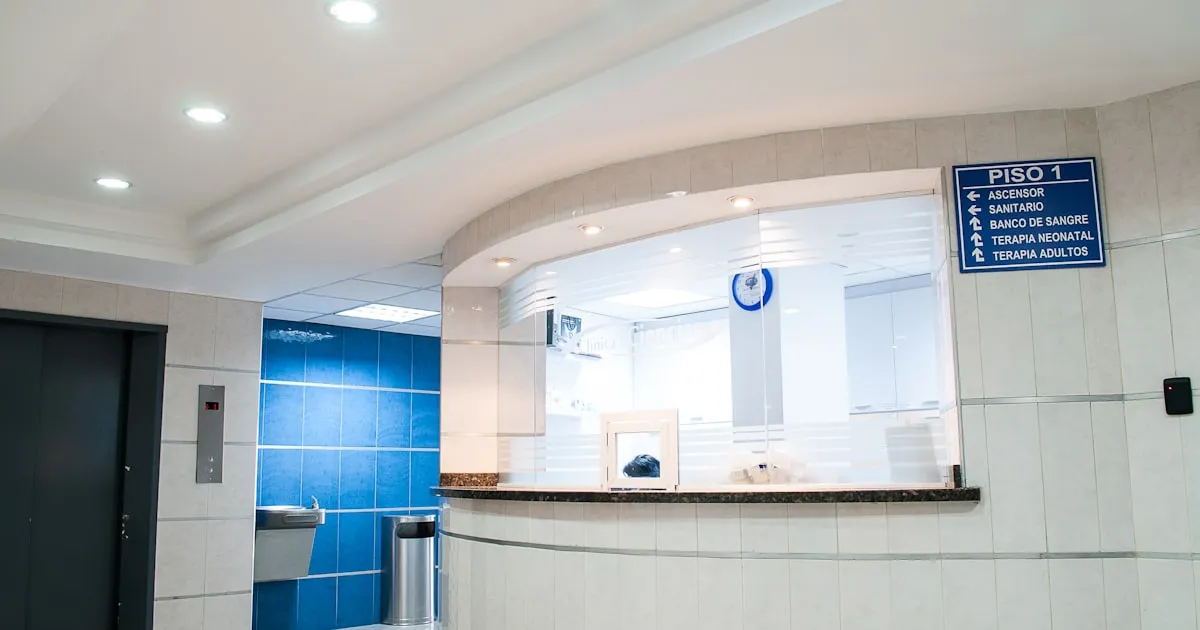
Healthcare security is its own discipline. Guards encounter patients in crisis, families under extreme stress, and staff in life-and-death situations—all under strict privacy rules and the calm a hospital has to keep. Generic security training doesn't prepare an officer for that. The companies that do this well train specifically for the hospital floor.
Hospital security requires specialized training in de-escalation, HIPAA compliance, and crisis intervention. Critical areas include the ED, behavioral health units, and infant protection. Technology like panic buttons and real-time location systems are essential.
Understanding Healthcare's Unique Challenges
Healthcare workers face workplace violence at rates among the highest of any industry. The pressure is built into the setting: patients arrive in pain, under the influence, or in psychiatric crisis, and families confront bad news about people they love. The emergency department is where all of it concentrates—the flashpoint a security team has to plan around.
Security officers in healthcare settings must balance assertive protective action with the gentleness that patient care demands. Patients aren't criminals—they're often people at their worst moments who deserve compassion even as their behavior requires intervention. This nuance distinguishes healthcare security from other environments where firmer responses might be appropriate.
Privacy regulations add another layer of complexity. HIPAA governs every interaction, restricting what security officers can see, document, and share. Photography for incident documentation must navigate patient privacy rights. Even confirming whether someone is a patient at the facility requires careful protocol. Officers who don't understand these requirements create liability for the institution and themselves.
Critical Areas Requiring Focused Attention
The emergency department represents the highest-risk environment in most hospitals. Patients arrive without screening, often in altered mental states from substances, trauma, or psychiatric crisis. Weapons enter the facility unless actively intercepted. Family tensions escalate as loved ones wait for news. The ED requires constant security presence by officers trained specifically for this environment—generic security coverage doesn't meet the need.
Effective ED security includes weapons screening capability, either through metal detection or less intrusive methods depending on the facility's approach. Officers need de-escalation expertise that goes beyond standard training, understanding how to calm agitated patients without physical intervention whenever possible. Rapid response capability ensures that when situations do escalate, help arrives before staff or other patients are harmed.
Behavioral health units present different but equally demanding challenges. Patient elopement—leaving the unit against medical advice or treatment orders—creates immediate risk to patients who may be suicidal or psychotic. Security supports clinical staff in maintaining a safe environment without creating an institutional atmosphere that undermines therapeutic goals. Crisis intervention training helps officers respond appropriately when patients decompensate.
Infant protection deserves its own security protocols given the catastrophic consequences of abduction. Modern infant protection systems use electronic tagging that triggers alarms if babies approach exits. Mother-baby matching protocols verify that anyone taking a baby from a room is actually the parent. Visitor verification prevents unauthorized individuals from accessing infant care areas. Lockdown procedures enable rapid response when alerts trigger—every hospital needs tested plans for these scenarios.
The Training Imperative
Hospital security officers need training that goes well beyond standard security curricula. Healthcare-specific de-escalation programs like CPI (Crisis Prevention Institute) or Handle with Care teach techniques developed for healthcare environments where patients may not be capable of rational response. These approaches differ significantly from general de-escalation training and should be considered mandatory for healthcare assignments.
HIPAA awareness training ensures officers understand privacy requirements in practical terms—what they can document, who they can speak with, what information can be shared and under what circumstances. Violations create regulatory exposure for the healthcare institution and can result in significant penalties.
Practical skills specific to healthcare include patient transport assistance, helping clinical staff move patients safely while maintaining security awareness. Code response procedures familiarize officers with hospital emergency codes and their role in each scenario—Code Blue for medical emergencies, Code Pink for infant abduction, Code Silver for active threats. Officers who don't know the codes can't respond appropriately.
Technology Integration
Modern healthcare security relies heavily on technology systems that extend human capabilities. Panic buttons distributed throughout the facility enable staff to summon help instantly without verbal communication that might escalate situations. Location matters—buttons must be accessible without being obvious to agitated individuals.
Infant protection systems using electronic tags provide continuous monitoring that human vigilance cannot match. When a tagged infant approaches an exit or an unauthorized removal attempt occurs, alarms trigger immediate response. These systems require maintenance and testing to ensure reliability when needed.
Access control concentrates at sensitive areas: pharmacy, medication storage, pediatric units, behavioral health, operating rooms. Video surveillance with analytics can detect concerning behaviors—loitering, tailgating, unusual movement patterns—that warrant investigation. Real-time location systems track both assets and personnel, supporting response coordination during emergencies.
Key Takeaways
- Healthcare workers face violence rates exceeding most industries—security presence is critical
- Emergency departments, behavioral health units, and maternity require focused security attention
- Standard security training is insufficient—invest in healthcare-specific de-escalation and HIPAA
- Technology systems like panic buttons, infant protection, and access control extend human capability
- Balance security assertiveness with the compassion that patient care demands
Continue Reading
Video Analytics for Security: Beyond Basic Surveillance
AI-powered video analytics can detect intrusions, count people, and identify anomalies. This guide covers practical applications and integration strategies.
Florida Security Guard License Application: Division of Licensing Guide
Navigate the Florida Division of Licensing application process for security guards, including background checks, training providers, and processing timelines.

The 10 Best Security Guard Management Software Solutions in 2026
From enterprise platforms to mobile-first apps, we review the top security guard software options. Honest assessments of features, pricing, and who each solution works best for.