Security Shift Handoff SOP: A Complete Template for Seamless Transitions
Poor shift handoffs lead to missed incidents and security gaps. This step-by-step SOP template ensures critical information transfers between guards every time.

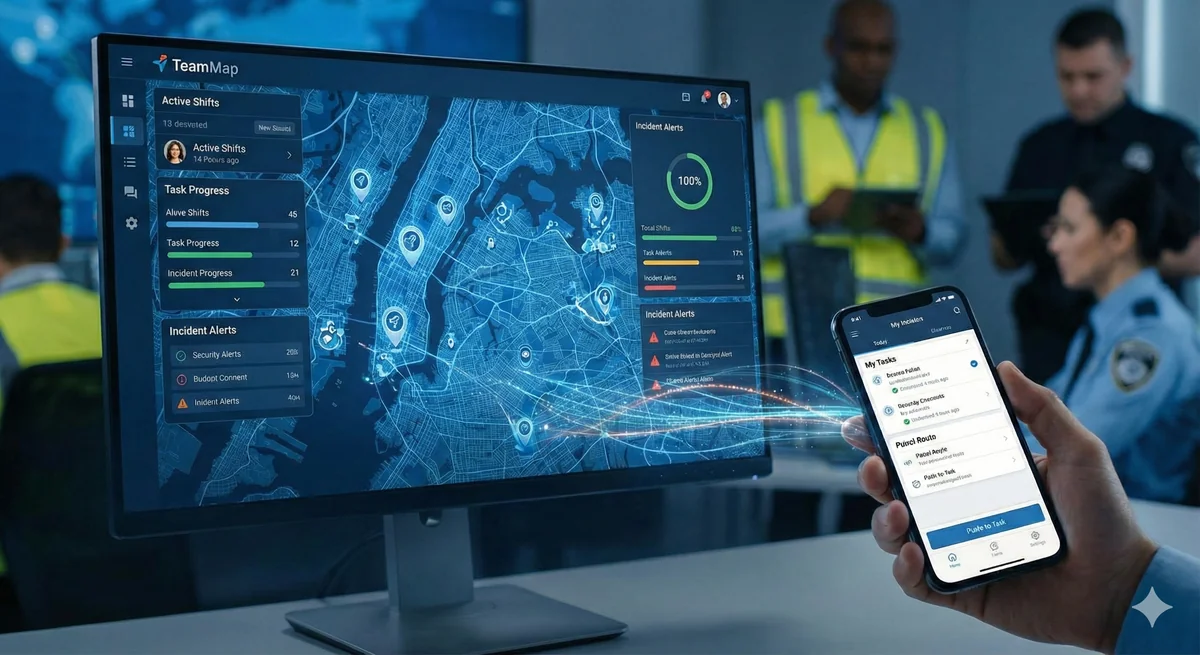
A poor shift handoff can undo an entire shift's work. Critical incidents get missed, ongoing situations fall through the cracks, and the incoming officer starts blind. This SOP template ensures every transition is complete and documented.
Effective shift handoffs require a structured process: arrive early, conduct face-to-face briefing, review logs, transfer equipment, and document the transition. Never leave until the incoming officer confirms they have all necessary information.
Purpose
This Standard Operating Procedure establishes requirements for security officer shift changes to ensure continuity of security operations, proper transfer of critical information, and accountability for equipment and post conditions.
Scope
Applies to all security personnel during scheduled shift changes, unscheduled relief, and temporary post coverage situations.
Timing Requirements
Handoff Timeline
- Outgoing officer: Remain on post until relief arrives and handoff is complete
- Incoming officer: Arrive minimum 10-15 minutes before shift start
- Handoff duration: Allow 10-15 minutes for complete briefing
- Documentation: Complete before outgoing officer departs
Pre-Handoff Preparation (Outgoing Officer)
Before relief arrives, the outgoing officer shall:
- Complete all pending incident reports
- Update the daily activity log with current status
- Note any ongoing situations requiring monitoring
- Inventory all equipment and keys
- Document any maintenance issues or safety hazards observed
- Prepare list of pending tasks or follow-ups needed
Face-to-Face Briefing Checklist
The outgoing officer shall verbally brief the incoming officer on:
1. Active Incidents & Ongoing Situations
- Any incidents that occurred during shift
- Situations still being monitored
- Expected follow-up actions needed
- Persons of interest or banned individuals on property
2. Operational Status
- Current alarm status and any zones bypassed
- Doors/gates that are secured or unsecured
- Areas with special access requirements today
- Scheduled deliveries, contractors, or events
3. Equipment Status
- Radio functionality and current channel
- Vehicle fuel level and condition (if applicable)
- Flashlight, keys, access cards status
- Any equipment issues or malfunctions
4. Facility Conditions
- Maintenance issues observed (leaks, broken lights, etc.)
- Safety hazards noted
- Areas requiring extra attention during patrol
5. Personnel & Contacts
- Who is on-site (building manager, maintenance, etc.)
- Any VIPs or special visitors expected
- Emergency contacts for the shift
Equipment Transfer
Both officers shall jointly verify and document transfer of:
| Item | Verification Required |
|---|---|
| Radio | Power on, test transmission, correct channel |
| Keys | Count matches key log, all accounted for |
| Access cards | Test at one access point |
| Flashlight | Functional, adequate battery |
| Vehicle (if applicable) | Fuel level, damage check, mileage |
| Body camera (if applicable) | Battery level, storage space |
| First aid kit | Sealed/stocked |
| Incident report forms | Adequate supply available |
Log Review
The incoming officer shall review:
- Daily Activity Log entries for current date
- Any pass-down notes from previous shifts
- Incident reports from the past 24-48 hours
- Special instructions or bulletins
Documentation
Both officers shall sign the shift handoff log indicating:
- Time of handoff
- Confirmation that briefing was completed
- Equipment inventory verified
- Any exceptions or discrepancies noted
Shift Handoff Log Template
Shift Handoff Record
Date: _______________ Post: _______________
Outgoing Officer: _______________ End Time: _______________
Incoming Officer: _______________ Start Time: _______________
Active Incidents/Situations:
________________________________________________________________
Equipment Transferred: ☐ Radio ☐ Keys (#___) ☐ Vehicle ☐ Other: _____
Pending Tasks:
________________________________________________________________
Outgoing Signature: _______________ Time: _______________
Incoming Signature: _______________ Time: _______________
When Relief Does Not Arrive
If the incoming officer fails to arrive:
- Notify supervisor/dispatch immediately at scheduled shift time
- Remain on post until relieved by supervisor or replacement
- Document the no-show in the activity log
- Continue normal duties until properly relieved
Never abandon a post before proper relief arrives, regardless of shift end time. Leaving a post unattended is grounds for disciplinary action and may expose the organization to liability.
Emergency Handoffs
In emergency situations requiring immediate relief (injury, family emergency):
- Contact supervisor immediately
- Provide abbreviated verbal briefing to replacement
- Point replacement to written logs and post orders
- Complete written documentation as soon as possible after the fact
Key Takeaways
- Arrive early—handoffs take 10-15 minutes minimum
- Face-to-face briefings prevent information gaps
- Document everything with dual signatures
- Never leave until relief is fully briefed
- Equipment transfer requires joint verification
Continue Reading

Video Analytics for Security: Beyond Basic Surveillance
AI-powered video analytics can detect intrusions, count people, and identify anomalies. This guide covers practical applications and integration strategies.
Florida Security Guard License Application: Division of Licensing Guide
Navigate the Florida Division of Licensing application process for security guards, including background checks, training providers, and processing timelines.

The 10 Best Security Guard Management Software Solutions in 2026
From enterprise platforms to mobile-first apps, we review the top security guard software options. Honest assessments of features, pricing, and who each solution works best for.