Crisis Management for Security Companies: Planning and Response
When a major incident happens at a client site, your response defines your reputation. This guide covers crisis planning, communication protocols, and recovery.

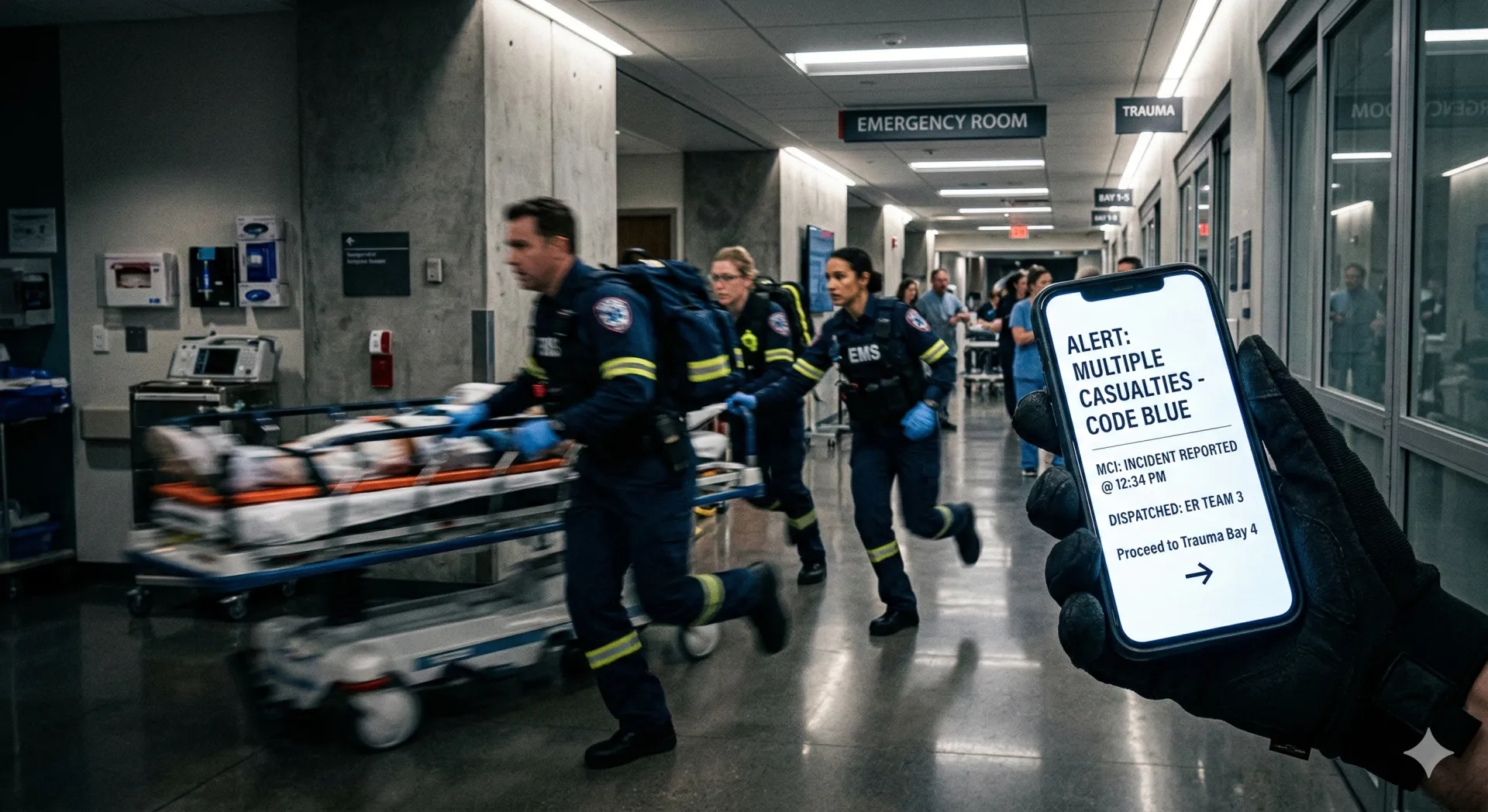
The call comes at 2 AM: there's been a shooting at one of your client sites, and your guard is involved. Or a guard is arrested for theft. Or a client facility burns down during your watch. In that moment, everything you do—and don't do—shapes your company's survival. Crisis management isn't optional for security companies. It's the difference between weathering a serious incident and watching your business collapse under liability, reputation damage, and client defections.
Effective crisis management requires advance planning, clear communication chains, coordinated response, and thorough documentation. How you handle a crisis matters as much as preventing it.
Understanding What Constitutes a Crisis
Not every incident is a crisis—but security companies face situations that can escalate into company-threatening events. Recognizing a crisis when it occurs, and responding with appropriate urgency, prevents manageable situations from becoming catastrophic ones.
Incident-based crises involve something happening at a client site that creates immediate threat, liability, or attention. A serious injury or death—whether involving your guard, a client employee, or a member of the public—demands crisis response. Active violence, major theft or security breach, fire, or natural disaster all qualify. Perhaps most damaging: guard misconduct or criminal activity that exposes your company to liability and destroys client trust.
Organizational crises may not involve a specific incident but threaten the company nonetheless. Media exposure of problems—whether accurate or not—can devastate reputation. Major lawsuits consume resources and create uncertainty. Regulatory investigation signals compliance failures. The sudden loss of a key client can create financial crisis. Each requires coordinated response beyond normal operations.
Preparing Before Crisis Strikes
Crisis management that happens only during crises fails. Effective response requires preparation: designated teams, documented plans, practiced procedures. The time to figure out who calls the insurance company is not while police are securing a crime scene at your client's facility.
Every security company needs a crisis management team—even if it's just the owner and one trusted manager in a small operation. Designate specific people for specific roles: who leads the response, who handles client communication, who manages media inquiries, who coordinates with legal counsel. Define who has authority to make decisions in the owner's absence. Create a contact chain that ensures the right people can be reached at any hour. Identify backups for every role—crises don't wait for convenient timing.
Document your crisis plan in writing. Include criteria for classifying incidents—what constitutes a crisis versus a routine incident requiring normal reporting. Detail notification procedures with specific contact information. Create response protocols for different incident types. Develop communication templates so no one has to compose statements under pressure. Compile resource lists: insurance contacts, legal counsel, emergency services, key client contacts.
A plan that sits in a drawer helps no one. Train your crisis team on the plan regularly. Conduct tabletop exercises walking through scenarios—what would you do if a guard was accused of assault? If media showed up at your office asking about an incident? Practice communication chains to verify they work. Review and update the plan as your company, client base, and risks evolve.
Immediate Crisis Response
When a crisis occurs, the first minutes and hours shape everything that follows. Mistakes made under pressure—destroying evidence, making admissions, failing to notify the right people—create problems that can't be fixed later. Having a practiced response prevents panic-driven errors.
Safety comes first, always. Ensure all persons are safe and that ongoing threats are addressed. Call emergency services if anyone is injured or if emergency response is needed. Only after safety is secured does attention turn to other crisis management activities.
Scene management preserves your ability to understand what happened and defend against claims. Secure the scene to prevent evidence destruction or contamination. Limit access to essential personnel. Identify witnesses before they disperse. Begin documentation immediately—memories fade and details blur within hours. Coordinate with law enforcement if they're involved, but remember their investigation serves their purposes, not yours.
Notification must follow a deliberate chain. Emergency services first when needed. Then your crisis team leader, who activates the response. Client contacts need prompt notification—finding out about an incident at their facility from media rather than from you damages relationships irreparably. Insurance carriers need notification for serious incidents that may involve claims. Legal counsel should be consulted early for incidents with significant liability potential.
Communication Under Pressure
Crisis communication can save or destroy your company. The wrong statement to media becomes evidence in lawsuits. Failure to communicate with clients costs contracts. Inconsistent internal communication creates confusion that undermines response. Think before speaking—but don't delay so long that silence becomes the story.
Internal communication keeps your team coordinated. The crisis team needs real-time information to make decisions. Staff who might encounter questions need guidance on what to say—and what not to say. Control information flow to prevent leaks while ensuring people with legitimate need have what they require.
Client communication requires promptness and honesty. Notify clients about incidents at their sites as quickly as possible—preferably before they hear from other sources. Provide known facts without speculation. Explain what actions you're taking. Commit to providing updates as information becomes available. Document every communication for later reference.
Media and public communication is the most dangerous. Designate a single spokesperson to prevent inconsistent statements. Prepare a statement if media attention is likely—even if the statement is minimal. Stick to verified facts. Never speculate about causes or assign blame. Never admit liability. "We're aware of the incident and are cooperating with authorities while conducting our own investigation" is an acceptable response when details shouldn't be shared.
Never admit liability, speculate about causes, or discuss details with media without legal guidance. Statements made in the heat of crisis become evidence in litigation. "We're conducting an investigation and will provide updates when appropriate" is always acceptable.
Documentation as Defense
Documentation created during a crisis becomes the foundation for insurance claims, legal defense, client retention, and operational improvement. What gets documented—and how—matters enormously.
Create a complete timeline of events from the earliest indication of the incident through resolution. Document every action taken and who took it. Record observations and evidence—what the scene looked like, what witnesses said, what physical evidence was present. Capture photographs and video when possible and appropriate. Preserve communications including calls, emails, and texts.
Documentation discipline matters. Start immediately while details are fresh. Be factual, not interpretive—record what you observed, not what you think happened. Note times specifically, not vaguely. Preserve evidence in its original form—don't alter, edit, or destroy anything that might be relevant. Secure documentation so it can't be lost, damaged, or accessed by unauthorized persons.
Post-Crisis Investigation and Recovery
After the immediate crisis stabilizes, investigation determines what happened and why. This investigation serves multiple purposes: understanding facts for potential litigation, identifying failures that need correction, demonstrating to clients that you take incidents seriously, and learning lessons that prevent recurrence.
Gather all documentation created during the incident. Interview involved parties while memories are fresh—your guard, witnesses, client personnel. Review relevant policies and procedures to determine if they were followed. Identify contributing factors: equipment failures, training gaps, procedure weaknesses, supervision lapses. Determine whether the incident was preventable and what would have prevented it.
Investigation findings should drive corrective action. Address identified deficiencies—don't let the same failure cause another crisis. Update procedures if gaps enabled the incident. Provide additional training where knowledge failures contributed. Implement preventive measures. Document improvements to demonstrate organizational learning.
Recovery extends beyond fixing problems. Support employees affected by traumatic incidents—people who experience violence or witness serious injuries may need assistance. Restore normal operations as quickly as safely possible. Repair client relationships through transparent communication about what happened and what you're doing to prevent recurrence. Address ongoing issues that may persist after the acute crisis resolves.
Legal and Insurance Considerations
Serious incidents have legal and insurance dimensions that require professional guidance. Making the right moves early protects your interests; making the wrong moves creates problems that persist for years.
Notify your insurance carrier promptly—most policies have notification requirements, and late notification can jeopardize coverage. Preserve all evidence and documentation—destruction of evidence, even inadvertent, creates serious legal problems. Consult legal counsel early for incidents with significant liability potential—the cost of early legal guidance is trivial compared to the cost of preventable mistakes. Control statements and admissions throughout the crisis—what your employees say becomes evidence. Prepare for potential litigation by organizing documentation and identifying witnesses while information is fresh.
Key Takeaways
- Prepare crisis plans and train teams before crises occur—improvisation fails
- Safety first, then secure the scene and begin documentation immediately
- Follow established notification chains—the right people need to know in the right order
- Control communication carefully—wrong statements become evidence in litigation
- Investigate thoroughly and implement corrective action—learn from every crisis
Continue Reading

Video Analytics for Security: Beyond Basic Surveillance
AI-powered video analytics can detect intrusions, count people, and identify anomalies. This guide covers practical applications and integration strategies.
Florida Security Guard License Application: Division of Licensing Guide
Navigate the Florida Division of Licensing application process for security guards, including background checks, training providers, and processing timelines.

The 10 Best Security Guard Management Software Solutions in 2026
From enterprise platforms to mobile-first apps, we review the top security guard software options. Honest assessments of features, pricing, and who each solution works best for.