Warehouse and Distribution Center Security: Preventing Theft at Scale
With billions in inventory moving through warehouses, security is critical. This guide covers access control, surveillance placement, and cargo theft prevention.

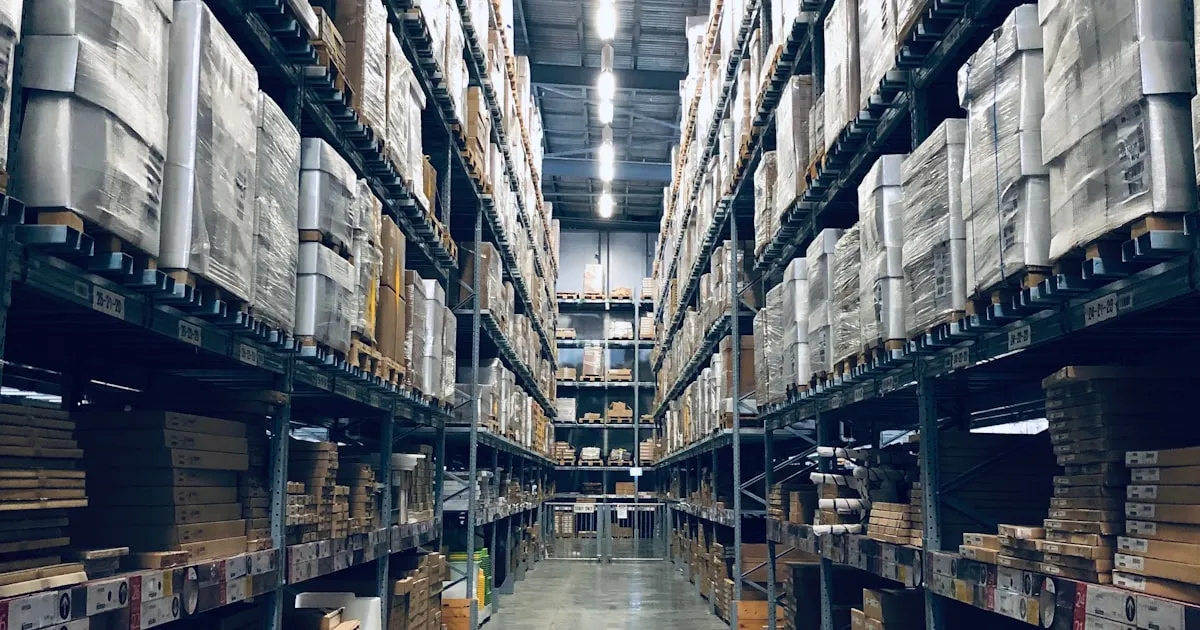
Warehouses and distribution centers contain millions of dollars in inventory and face theft from both external and internal sources. Effective security means controlling access, monitoring activity, and preventing cargo theft. The work is hard because warehouse operations themselves create the openings: goods move constantly, dozens of workers handle product, and vehicles and people come and go through multiple entry points.
Warehouse security focuses on access control, employee screening, cargo verification, and deterrence. Internal theft often exceeds external theft, so employee accountability systems are critical.
Understanding the Threat Landscape
External threats to warehouse facilities include organized cargo theft operations that target high-value shipments with sophisticated planning, surveillance, and execution. These criminal enterprises often have inside information about shipment schedules, contents, and security vulnerabilities. Traditional burglary and break-ins target facilities during off-hours when reduced staffing creates opportunity. Trailer theft has become increasingly common as criminals realize that stealing an entire loaded trailer is often easier than breaking into the facility itself. Fraudulent pickups involve criminals posing as legitimate trucking companies to claim shipments using forged paperwork. Vandalism, while less targeted, can damage inventory and disrupt operations.
Internal threats often exceed external losses in aggregate, though individual internal incidents may be smaller than organized external theft. Employee theft represents the most common form of warehouse loss, ranging from small items that disappear into pockets to systematic schemes involving manipulation of shipping documentation. Collusion with outside parties allows employees to facilitate theft by providing information, creating opportunity, or actively participating in removing goods. Shipping errors may be intentional manipulation disguised as mistakes, or genuine mistakes that create inventory discrepancies. Time theft and policy violations, while not directly stealing products, represent theft of company resources. Safety violations create liability and can mask other misconduct.
Access Control Architecture
Perimeter security establishes the first line of defense around the facility. Fencing with controlled entry points channels all traffic through monitored locations rather than allowing approach from any direction. Gate security staffing provides human verification and judgment that automated systems cannot match. Vehicle entry logging creates records of who arrived when, providing both deterrence and investigative value. After-hours lockdown procedures ensure that reduced staffing doesn't create vulnerability. Adequate lighting throughout the property eliminates shadows that might conceal approach or facilitate concealment of stolen goods.
Building access control creates a second layer that protects the structure and its contents. Limited entry points concentrate monitoring resources and reduce the surface area that requires protection. Badge access systems create automated records of who entered which areas and when. Visitor sign-in requirements and escort policies ensure non-employees don't move through the facility unsupervised. Loading dock access controls address the high-risk area where goods leave the building. Physical or procedural separation between office and warehouse areas limits the movement of personnel who don't need warehouse access.
Dock security deserves particular attention as the primary vulnerability point in most facilities. Every driver must be verified against expected schedules and proper identification, preventing fraudulent pickup attempts. Loads must be confirmed against documentation so that discrepancies are caught before trucks depart. Seal verification on incoming loads confirms that shipments weren't tampered with in transit. New seals applied to outgoing loads create accountability for the warehouse's handling. Trailer number documentation creates records that support investigation if theft occurs during transit.
Employee Accountability Systems
Pre-employment screening establishes the foundation for workforce integrity. Thorough background checks identify candidates with theft histories or other concerning records before they gain access to inventory. Employment verification confirms that candidates actually worked where they claim, revealing fabricated histories. Reference checks from previous employers can reveal patterns not visible in background reports. Drug screening, where legally permitted, identifies candidates whose judgment may be impaired.
Ongoing monitoring maintains accountability throughout employment. Clear bag policies or prohibitions on personal bags eliminate easy concealment methods. Random inspections at exits create deterrence even when actual inspections are infrequent. Systematic package inspection procedures ensure that items leaving with employees are authorized. Restricted personal item storage—such as lockers that can be inspected—reduces concealment opportunity. Enhanced monitoring of high-value areas proportionally protects the highest-risk inventory.
Procedural controls create systemic protection that doesn't depend on catching individuals. Separation of duties ensures that no single person controls an entire process from receipt to shipping. Two-person rules for high-value items require collusion rather than individual opportunity. Regular inventory audits identify losses before they become catastrophic. Documentation requirements create paper trails that support investigation. Anonymous tip lines allow employees to report concerns without fear of retaliation.
Cargo Security Through the Facility
Receiving operations establish accountability from the moment goods arrive. Every shipment must be verified against the bill of lading, confirming that what arrived matches what was documented. Inspection for damage or tampering identifies problems that may indicate theft en route or create opportunity for internal theft to be blamed on transit. Counting and documenting all items establishes the baseline against which subsequent losses are measured. Immediate reporting of discrepancies prevents finger-pointing about when losses occurred. Prompt securing of high-value items limits the window of opportunity for theft.
Storage procedures maintain security while goods remain in the facility. Secured cages for high-value items provide an additional layer beyond general warehouse access. Access restrictions by area mean employees can only reach inventory related to their job functions. Regular inventory counts detect losses before they accumulate to significant amounts. Proper labeling and tracking enables identification of missing items and their last known location. FIFO compliance monitoring ensures that inventory rotation doesn't create opportunity for items to age out of tracking.
Shipping procedures complete the chain of custody with equal rigor. Loads must be verified against documentation before trucks depart—once a truck leaves, discrepancies become much harder to resolve. Tamper-evident seals applied to loaded trailers create evidence if unauthorized access occurs during transit. Seal numbers documented on paperwork enable verification at destination. Driver identity verification prevents unauthorized individuals from claiming shipments. Vehicle departure tracking confirms which trucks left when with which loads.
Surveillance Systems
Camera placement must cover all critical points in facility operations. Entry and exit points capture everyone coming and going. Loading dock cameras document the critical transfer of goods between facility and trucks. High-value storage area coverage provides enhanced monitoring where losses have the greatest impact. Shipping and receiving cameras capture the processes where errors and theft most commonly occur. Parking lot cameras extend monitoring beyond the building. Perimeter cameras detect approach before intruders reach the building.
Monitoring strategies determine how effectively cameras translate into actual security. Live monitoring during peak hours provides immediate response capability when most activity occurs. Review capabilities for incident investigation allow after-the-fact analysis when problems are discovered. Adequate retention periods ensure footage remains available long enough to support investigation—many theft schemes aren't detected immediately. Image quality must be sufficient to identify individuals and actions, not merely document that something occurred.
Security Guard Functions
Gate operations represent the most visible guard function. Checking IDs for all entering personnel enforces access control policies with human judgment. Verifying truck documentation confirms that arriving vehicles have legitimate business. Logging all vehicles creates the record that supports investigation and deters unauthorized entry. Refusing unauthorized entry requires the discretion to distinguish legitimate variations from actual violations. Contacting management for exceptions maintains policies while allowing flexibility for unusual but legitimate circumstances.
Patrol duties maintain security throughout the facility. Regular interior and exterior rounds provide physical presence that deters misconduct. Checking for unsecured doors identifies failures in access control before they're exploited. Monitoring for safety hazards protects both people and operations. Verifying that the facility is clear after hours confirms that unauthorized individuals haven't remained after shift end. Reporting equipment or facility issues identifies problems before they create security vulnerabilities.
Exit inspections create the final checkpoint before goods leave the facility. Random package inspections deter theft even when most exits aren't inspected. Verifying authorization for any items employees are removing ensures legitimate removals are documented. Checking lunch boxes, bags, and vehicles prevents concealment of stolen goods. Documenting all inspections creates records that demonstrate policy enforcement and support investigation if losses are discovered.
Incident Response
When theft is discovered, immediate actions determine whether investigation will succeed. Securing the area prevents evidence destruction and limits opportunity for continued removal. Immediate notification of management ensures appropriate resources respond. Evidence preservation maintains the integrity of information that investigation will depend on. Comprehensive documentation captures details that may seem insignificant initially but prove crucial later. Assisting law enforcement investigation requires cooperation while respecting employee rights and company policies.
Suspicious activity may precede actual theft, and proper handling can prevent losses. Observation and documentation provide information without escalating the situation prematurely. Reporting to supervisors brings appropriate authority to determine response. Avoiding direct confrontation unless specifically authorized protects officer safety and prevents claims of harassment. Noting descriptions, license plates, times, and other details creates records valuable whether the suspicion proves founded or not.
Key Takeaways
- Internal theft often exceeds external theft—employee accountability is essential.
- Access control forms the foundation of all warehouse security measures.
- Cargo verification at every stage—receiving, storage, shipping—prevents losses.
- Surveillance systems must cover critical points with adequate quality and retention.
- Thorough documentation supports investigation and demonstrates compliance.
Continue Reading

Video Analytics for Security: Beyond Basic Surveillance
AI-powered video analytics can detect intrusions, count people, and identify anomalies. This guide covers practical applications and integration strategies.
Florida Security Guard License Application: Division of Licensing Guide
Navigate the Florida Division of Licensing application process for security guards, including background checks, training providers, and processing timelines.

The 10 Best Security Guard Management Software Solutions in 2026
From enterprise platforms to mobile-first apps, we review the top security guard software options. Honest assessments of features, pricing, and who each solution works best for.