Beyond Badge Readers: Modern Access Control Options
Mobile credentials, biometrics, and Bluetooth-based systems are replacing traditional badge access. Here's an honest look at the pros, cons, and implementation challenges of each.


Traditional badge readers are being replaced by mobile credentials, biometrics, and Bluetooth-based systems. Each approach has tradeoffs.
Mobile credentials work best in tech-comfortable offices. Biometrics suit high-security areas. Bluetooth/proximity offers convenience for high-traffic areas. Consider integration, backup access, user training, and edge cases during implementation.
Mobile Credentials
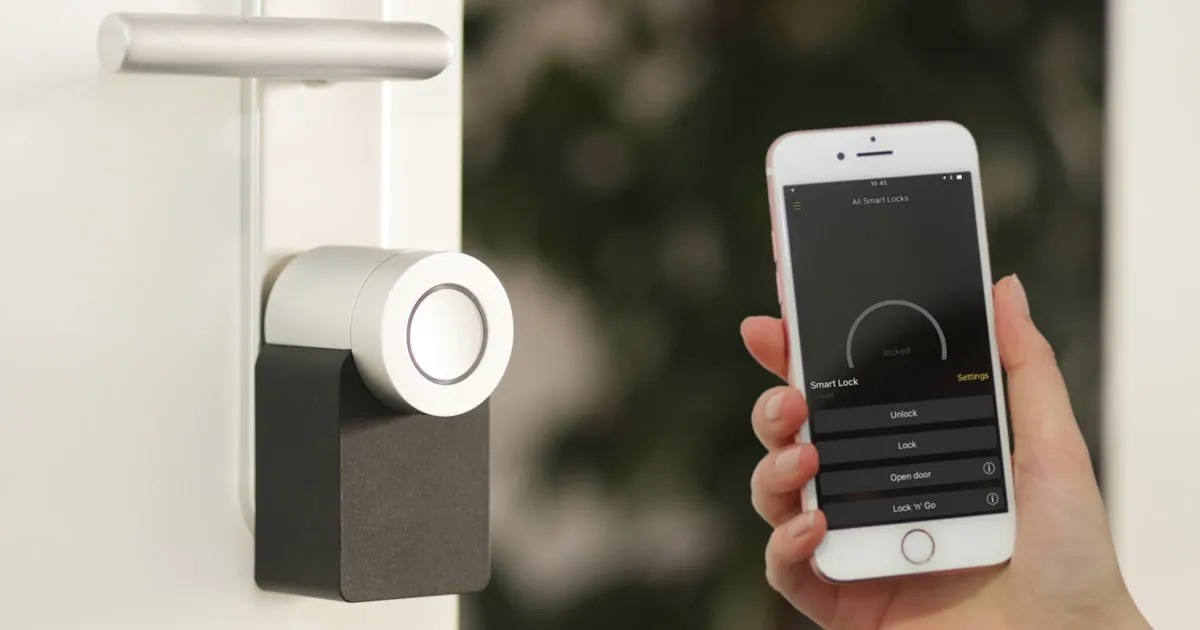
Smartphones Instead of Badges
- Pros: People rarely forget their phones. Easy to issue and revoke remotely. Harder to share than badges.
- Cons: Requires smartphone. Battery dead = no access. Some employees resist using personal phones for work.
- Best for: Office environments with tech-comfortable employees.
Biometrics
Fingerprint, facial recognition, or iris scanning:
- Pros: Can't be lost, forgotten, or shared. Strong identity verification.
- Cons: Higher cost. Privacy concerns. Environmental factors (dirty hands, masks, lighting) affect reliability.
- Best for: High-security areas where identity verification matters more than convenience.
Bluetooth/Proximity
Hands-free access when your device is nearby:
- Pros: Convenient—doors unlock as you approach. Works with phones or dedicated fobs.
- Cons: Less precise than tap-to-unlock. Can trigger accidentally. Security depends on proximity range settings.
- Best for: High-traffic areas where speed matters more than logging exactly who entered.
Implementation Challenges
New access control systems often fail during rollout, not design:
- Integration: Does it work with your existing systems? Visitor management, elevator control, alarm systems?
- Backup access: What happens when the system is down? You need a manual override process.
- User training: People need to know how to use it before you switch over.
- Edge cases: Contractors, visitors, deliveries—all need access paths.
Hybrid Approaches
Most facilities don't pick one technology—they layer them: Badge + PIN for standard access, biometric for sensitive areas, mobile for convenience in low-risk areas, traditional keys for backup.
Key Takeaways
- Mobile credentials work best for tech-comfortable office environments
- Biometrics suit high-security areas where identity verification matters
- Match the security level to the risk—not every door needs biometrics
Continue Reading
Video Analytics for Security: Beyond Basic Surveillance
AI-powered video analytics can detect intrusions, count people, and identify anomalies. This guide covers practical applications and integration strategies.
Florida Security Guard License Application: Division of Licensing Guide
Navigate the Florida Division of Licensing application process for security guards, including background checks, training providers, and processing timelines.

The 10 Best Security Guard Management Software Solutions in 2026
From enterprise platforms to mobile-first apps, we review the top security guard software options. Honest assessments of features, pricing, and who each solution works best for.