HOA and Residential Community Security: A Property Manager's Guide
Gated communities, apartment complexes, and HOAs have unique security needs. Learn how to structure patrol services, access control, and resident communication.

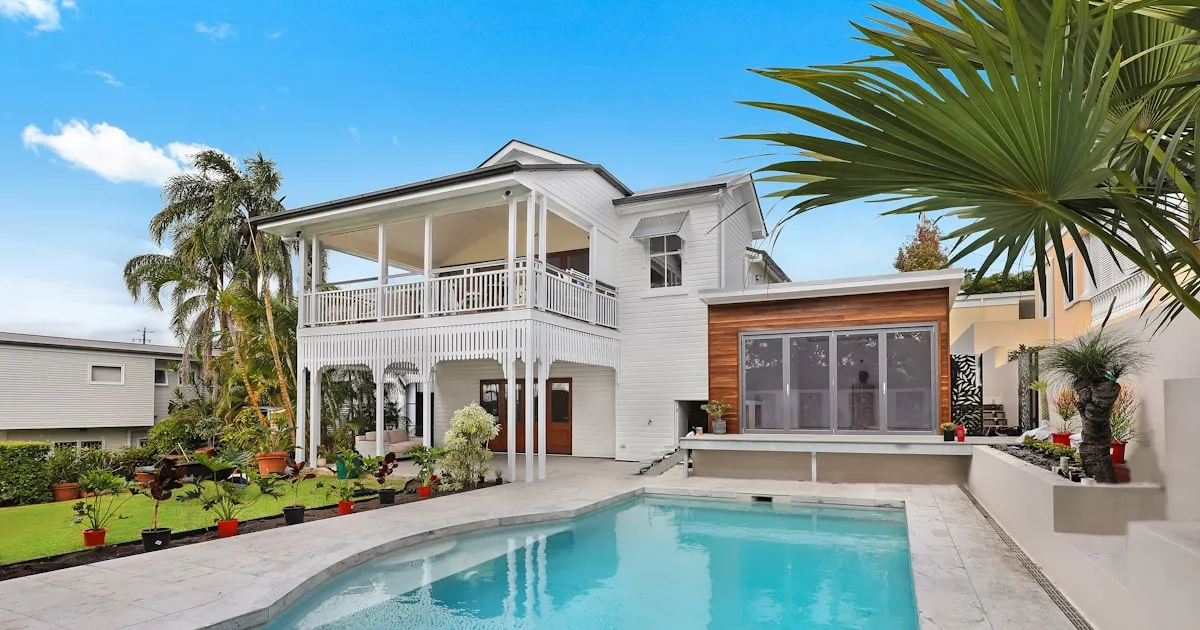
Residential community security presents unique challenges that distinguish it from commercial or industrial environments. HOAs, gated communities, and apartment complexes require a delicate balance between maintaining genuine security and preserving the welcoming atmosphere that residents expect in their homes. Overly aggressive security alienates the people paying for it; insufficient security leaves them vulnerable. Success comes from understanding that residents want to feel protected, not policed.
Successful HOA security combines access control, patrol services, and resident communication. The goal is making residents feel safe and respected, not policed.
Understanding Community Types
Different residential communities present different security requirements, though the underlying principles remain consistent. Gated communities typically center security on the gate house, where officers verify visitors and control access to the community. Vehicle patrol covers the internal streets and perimeter. The relatively low density and spread-out nature of gated communities means patrol coverage must be efficient, with officers covering significant territory.
Apartment complexes concentrate more people in smaller spaces, changing the security dynamic. Entry points may include lobby areas, parking structures, and amenity spaces like pools and fitness centers. Noise complaints and disturbance response become more frequent concerns when neighbors live in close proximity. Package theft and delivery management increasingly matter to residents in multi-family environments.
Condominiums often combine elements of both, with vertical buildings requiring elevator access control and front desk security while also maintaining common areas and parking facilities. The concierge security model—where officers provide service-oriented assistance alongside security functions—fits many condominium environments well. Guards coordinate deliveries, assist visitors, and maintain the professional atmosphere that condominium residents expect.
Access Control Operations
Gate operations in residential communities must balance security verification with the speed that residents expect. Nobody wants to wait in line to enter their own neighborhood. Effective gate security uses multiple verification methods: transponders and codes for resident vehicles, visual recognition of familiar faces, and call-ahead systems for expected guests. The goal is quick entry for authorized individuals while still intercepting unauthorized access attempts.
Visitor management systems allow hosts to pre-authorize guests, generating codes or placing visitors on expected lists so gate officers can verify authorization quickly. Time limits on visitor passes prevent credentials from being reused inappropriately. Recurring visitors—housekeepers, caregivers, regular service providers—need procedures that recognize their legitimate regular access while still maintaining accountability.
Vendor and contractor access requires verification that work is actually scheduled. Checking with HOA management or maintenance staff confirms that service providers have legitimate business in the community. Work order validation prevents social engineering attempts where criminals pose as contractors to gain access. Emergency vehicle access must be immediate and unobstructed—gates should have automatic override systems or officer protocols that prioritize emergency response over verification.
Patrol Services
Vehicle patrol covers the territory that foot patrol cannot efficiently reach. Regular routes through all streets, consistent parking enforcement, perimeter fence checks, and monitoring for suspicious activity all require the mobility that vehicles provide. Officers should report lighting deficiencies, hazards, and maintenance issues they observe—this reporting adds value beyond pure security.
Foot patrol remains essential for areas vehicles cannot access and for the visibility that walking officers provide. Common areas like pools, clubhouses, and fitness centers benefit from regular foot patrol presence. Parking structures require foot patrol to check stairwells, elevators, and areas between vehicles. Building lobbies, hallways, and grounds need human observation that vehicle patrol cannot provide.
Patrol timing should be varied to avoid predictability. Criminals who observe patterns can plan around them; random patrol times make such planning impossible. Coverage should increase during high-risk periods—late night hours, holiday weekends, times when criminal activity historically increases. GPS verification of patrol routes documents coverage for both accountability and client reporting.
Resident Relations
Professional interaction with residents distinguishes excellent community security from merely adequate service. Guards who greet residents by name—learning faces and names over time—transform security from an impersonal presence into a recognized part of the community. Helpfulness and courtesy should characterize every interaction. Respecting resident privacy means not overstepping the security role into surveillance of lawful behavior.
Common friction points require careful handling. Guest delays at gates frustrate residents hosting visitors—security must verify without creating unreasonable waits. Parking enforcement generates complaints when residents feel treated unfairly; consistency and documented policies help. Noise complaints require mediation rather than escalation; security officers are often first responders to neighbor disputes. Rule enforcement should emphasize explanation and documentation, with management handling resident discipline rather than security taking adversarial positions.
Communication maintains the relationship between security and the residents it serves. Written reports to HOA management document activities and incidents. Incident notifications to affected residents keep them informed about matters involving their homes or vehicles. Safety tips and reminders demonstrate proactive engagement. Availability for resident concerns ensures that security feels accessible rather than distant.
Understanding Authority Limits
Security guards in residential settings operate with limited authority that guards and residents alike must understand. Guards cannot arrest residents for rule violations—they observe, document, and report. They cannot enter private units without permission, even if they suspect violations occurring inside. They cannot tow vehicles without following proper authorization procedures. They cannot physically force compliance with community rules.
Handling violations follows a clear process: document thoroughly, report to HOA management, and let management handle resident discipline through proper channels. Security creates the record; management determines consequences. This separation keeps guards out of adversarial relationships with the residents they serve while ensuring violations are properly addressed.
Trespassers present a different situation from resident violations. Unknown individuals who cannot demonstrate authorization to be in the community can be asked to leave, and police can be called if they refuse. Residents who violate rules remain residents—report the violation but don't attempt enforcement that exceeds authority. Guests causing problems can be removed, but the resident who admitted them should be notified and involved.
Common Incidents
Noise Complaints
- Respond and verify the complaint
- Politely request compliance
- Document the interaction
- Escalate to management if unresolved
- Involve police only for serious disturbances
Vehicle Issues
- Unauthorized parking
- Abandoned vehicles
- Vehicle break-ins
- Reckless driving
Property Damage
- Document and photograph
- Identify witnesses if possible
- Report to management promptly
- Preserve any evidence
Working with HOA Management
- Regular reporting on activity and incidents
- Clear escalation procedures
- Understand community rules and CC&Rs
- Attend board meetings when requested
- Provide input on security improvements
Key Takeaways
- Balance security with resident convenience
- Access control is the foundation of community security
- Resident relations skills matter as much as security skills
- Document violations but let management handle enforcement
- Regular communication with HOA leadership is essential
Continue Reading
Video Analytics for Security: Beyond Basic Surveillance
AI-powered video analytics can detect intrusions, count people, and identify anomalies. This guide covers practical applications and integration strategies.
Florida Security Guard License Application: Division of Licensing Guide
Navigate the Florida Division of Licensing application process for security guards, including background checks, training providers, and processing timelines.

The 10 Best Security Guard Management Software Solutions in 2026
From enterprise platforms to mobile-first apps, we review the top security guard software options. Honest assessments of features, pricing, and who each solution works best for.