Remote Monitoring for Residential Security: A Practical Guide
Combining remote video monitoring with on-call patrol can reduce costs while maintaining response capability. This guide covers how to structure hybrid security services.

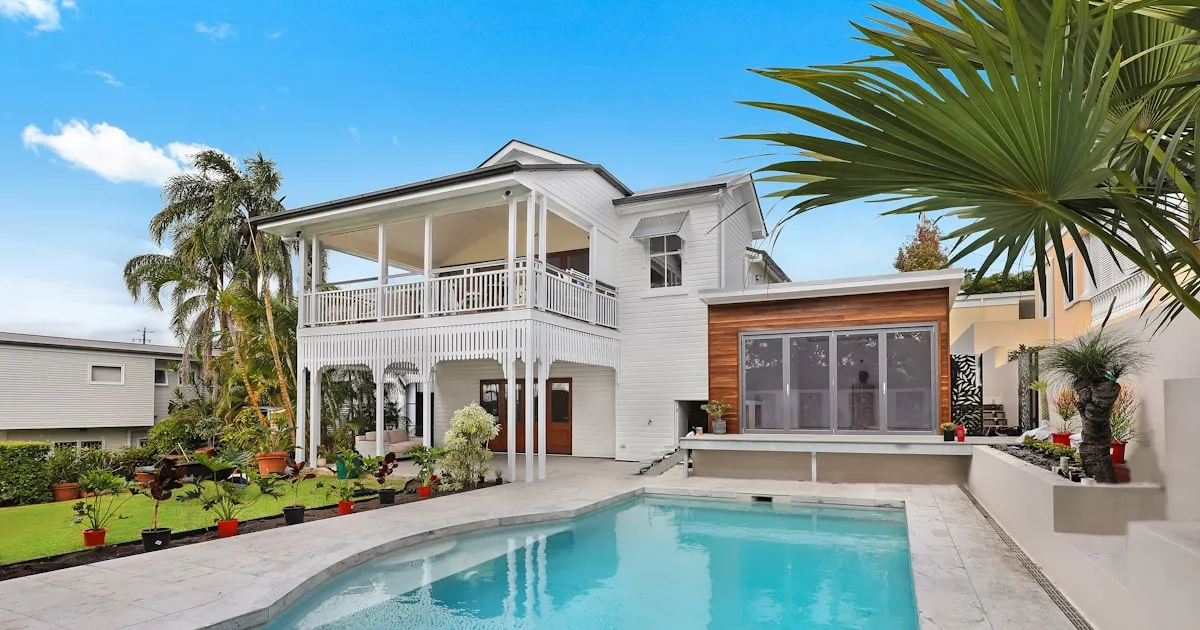
The economics of residential security are changing. Guards are expensive. Clients are price-sensitive. Remote monitoring offers a way to maintain security with fewer on-site hours.
Remote monitoring combines cameras, virtual guard tours, and on-call patrol response to reduce on-site guard hours while maintaining security. Best for sites with good camera coverage where most incidents need observation, not immediate physical response.
What Remote Monitoring Looks Like
Instead of a guard on-site 24/7, a hybrid model might include:
- Cameras monitored by a remote operator during overnight hours
- Motion detection that triggers video review
- Virtual guard tours via camera rather than physical patrol
- On-call patrol response for alerts that need physical presence
The goal is human judgment when needed, without paying for idle time.
When Remote Works
Remote Monitoring Works When
- Camera coverage is comprehensive
- Most incidents are observation/deterrence, not physical response
- Response time of 10-20 minutes is acceptable for escalations
- Client understands the tradeoffs
Remote monitoring is less effective when immediate physical response is essential, or when the presence of a guard is itself the deterrent.
The Client Conversation
Selling remote monitoring requires education:
- What they get: 24/7 monitoring, documented response, cost savings.
- What they give up: Immediate physical presence, visual deterrent of a guard, response speed for urgent situations.
- The hybrid option: Guards during high-risk hours, remote during low-risk hours.
Be honest about limitations. Clients who understand the model are better long-term relationships than those who expect more than the service provides.
Technology Requirements
Remote monitoring depends on reliable technology:
- Cameras: Good low-light performance, adequate coverage, reliable connectivity.
- Connectivity: Backup internet if primary fails. Camera footage is useless if it can't reach the monitoring center.
- Monitoring platform: Quick camera switching, alert management, communication with field personnel.
- Communication: Way to contact residents, dispatch patrol, coordinate with police.
Building a Patrol Response Network
Remote monitoring generates dispatch requests. You need the capacity to respond:
- Patrol officers assigned to geographic zones, not specific sites
- Mobile dispatch system for routing to the nearest officer
- Response time expectations set clearly with clients
- Escalation procedures for situations requiring police
The value of remote monitoring depends on what happens when something is detected. Monitoring without response capability is just observation.
Key Takeaways
- Hybrid models combine on-site guards during high-risk hours with remote monitoring during low-risk hours
- Be honest with clients about what remote monitoring can and cannot do
- Build a patrol response network—monitoring without response capability is just observation
Continue Reading
Video Analytics for Security: Beyond Basic Surveillance
AI-powered video analytics can detect intrusions, count people, and identify anomalies. This guide covers practical applications and integration strategies.
Florida Security Guard License Application: Division of Licensing Guide
Navigate the Florida Division of Licensing application process for security guards, including background checks, training providers, and processing timelines.
The 10 Best Security Guard Management Software Solutions in 2026
From enterprise platforms to mobile-first apps, we review the top security guard software options. Honest assessments of features, pricing, and who each solution works best for.