Security Guard Uniforms: Professional Appearance Standards
Uniforms affect how guards are perceived by the public and clients. This guide covers uniform policies, supplier selection, and maintaining professional appearance.


Uniforms are your company's first impression—and often the lasting one. How guards look affects whether wrongdoers take them seriously, whether the public respects their authority, and whether clients feel confident in your professionalism. A guard in a wrinkled shirt with mismatched pants sends a different message than one in a sharp, well-fitted uniform. Getting uniforms right involves balancing authority with approachability, professional appearance with practical functionality, and consistent standards with assignment-appropriate variation.
Professional uniforms establish authority and represent your company. Match uniform style to assignment type, ensure proper fit, and enforce consistent appearance standards. Uniform quality affects perception more than you might think.
Building a Uniform System
Effective uniform programs include components that work together—shirts, pants, outerwear, and footwear that create a cohesive professional appearance while meeting the functional demands of security work.
Shirts establish the primary visual identity. Dress shirts project corporate professionalism appropriate for lobby positions, executive environments, and high-end commercial settings. Polo shirts offer casual professionalism that works well for warm weather and approachable environments. Tactical shirts provide functionality for mobile patrol and physical work with features like reinforced shoulders and moisture-wicking fabric. Traditional uniform shirts with military-style styling convey authority and security presence.
Pants must match the shirt style and assignment environment. Dress pants for formal settings maintain the professional image established by dress shirts. Cargo pants provide functional pockets for patrol officers who carry equipment. Tactical pants combine professional appearance with features like reinforced knees and flexible construction for physical activity. Color coordination with shirts creates a unified appearance.
Outerwear extends the uniform system to weather protection. Blazers or sport coats maintain corporate professionalism in air-conditioned environments. Branded uniform jackets provide warmth while maintaining company identity. Rain gear keeps guards dry during outdoor assignments. Cold weather gear—insulated jackets, hats, gloves—protects guards from exposure during winter operations.
Footwear is often underestimated but critically important. Guards spend hours on their feet, and poor footwear creates discomfort that affects performance. Black dress shoes suit formal settings. Tactical boots provide support and traction for patrol and outdoor work. Whatever the style, footwear should be comfortable for extended standing and walking, have non-slip soles for safety, and maintain professional appearance.
Matching Uniforms to Assignments
Different assignments call for different uniform approaches. A uniform that projects appropriate authority in one environment may seem intimidating or out of place in another. Client expectations and site environments should guide uniform selection.
Corporate and lobby positions typically require the most formal appearance. Blazers with dress shirts project professionalism that matches executive office environments. Dress pants and dress shoes complete the look. Ties may be appropriate depending on client culture. The goal is conservative, professional appearance that blends with corporate settings while still being identifiable as security.
Retail and commercial environments usually call for visible but approachable uniforms. Branded uniform shirts clearly identify security while remaining customer-friendly. Dress or cargo pants work depending on whether the guard is stationary or mobile. Comfortable professional footwear supports guards who may spend shifts on their feet. The uniform should be visible enough to deter problems but not so tactical that it intimidates legitimate customers.
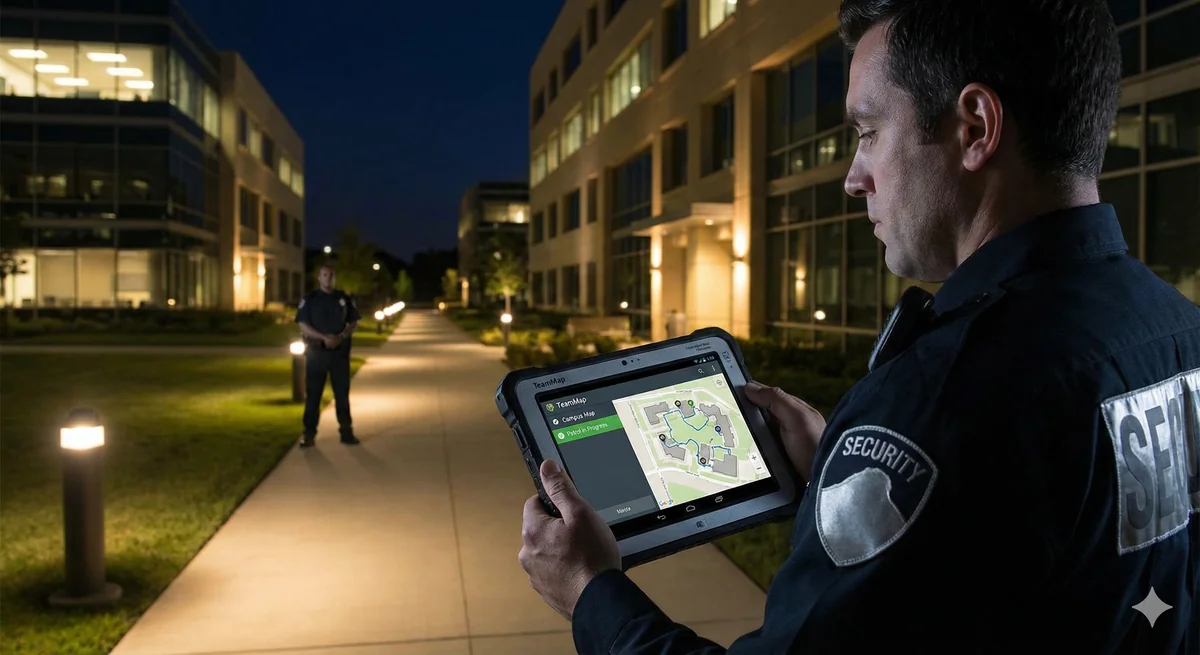
Mobile patrol requires practical uniforms that support physical activity and varied conditions. Tactical or utility-style shirts provide functionality without sacrificing professionalism. Cargo or tactical pants carry necessary equipment. Duty belts organize radios, flashlights, and other gear. Boots provide support for walking varied terrain. High-visibility options should be available for traffic or roadway situations.
Event security uniforms vary by event type but typically prioritize visibility and approachability. Polo or uniform shirts with clear identification work for most events. High-visibility vests or shirts help guards stand out in crowds when that's desired. Comfort matters for events requiring extended standing. The specific approach should match event atmosphere—a formal gala requires different uniforms than a music festival.
Accessories and Equipment Integration
Accessories complete the uniform and enable functional equipment carry. Standard items include name tags or ID badges that identify guards by name and company, company patches or embroidered logos that establish identity, belts appropriate to the uniform style, and optional hats or caps that may be required by some clients or environments.
Duty belt setup for patrol and tactical assignments organizes essential equipment. Radio holders keep communications accessible. Flashlight holders provide immediate access to illumination. Key keepers organize and secure keys. Glove pouches carry medical or work gloves. Additional pouches accommodate assignment-specific equipment. Well-organized belt setups enable quick access while maintaining professional appearance.
Establishing Appearance Standards
Uniforms only project professionalism when worn properly. Clear standards for uniform care, grooming, and prohibited modifications ensure consistent appearance across your workforce.
Uniform care standards should require clean and pressed uniforms for every shift—wrinkled or dirty uniforms undermine professionalism immediately. No stains, tears, or damage should be visible. Proper fit matters: uniforms that are too tight or too loose look unprofessional and may restrict movement or create safety issues. All required components must be present and properly worn. Seasonal items—jackets, rain gear, cold weather accessories—should be available and used appropriately.
Grooming standards extend professional appearance beyond clothing. Guards should present clean and neat overall appearance. Hair should be groomed appropriately for the assignment environment. Facial hair, if allowed by company policy, should be neat and well-maintained. Visible jewelry should be minimal and professional. Tattoo policies, where applicable, should be clearly communicated and consistently enforced.
Prohibited items protect uniform integrity. Unauthorized patches, pins, or modifications undermine brand consistency and may create legal issues. Personal modifications to uniform items shouldn't be permitted. Visible personal items beneath or with uniforms detract from professional appearance. Unauthorized equipment creates liability and appearance issues. Non-uniform items worn visibly—personal jackets, accessories, jewelry—should be prohibited during duty hours.
Managing Your Uniform Program
Uniform programs require operational systems for procurement, issuance, and cost management. Ad hoc approaches result in inconsistent appearance and wasted money.
Procurement from quality suppliers ensures uniforms that look professional and last through hard use. Suppliers should offer complete size ranges for your workforce diversity. Replacement availability matters—guards need to replace worn or damaged items promptly. Bulk pricing reduces per-unit costs. Customization capability enables branded items with your company identity.
Issuance procedures should specify initial uniform packages by position type, ensuring new guards have everything needed from day one. Proper fitting during issuance prevents guards working in ill-fitting uniforms. Documentation of items issued creates accountability for return. Replacement procedures should be clear—how guards get new items when uniforms wear out or are damaged. Return requirements at termination prevent former employees keeping company uniforms.
Cost management affects both company expenses and guard satisfaction. Decide whether uniforms are company-provided or employee-purchased with allowance. Uniform allowance programs provide funds for guards to purchase specified items. Deposit or payroll deduction policies recover costs if uniforms aren't returned. Replacement cost responsibility—who pays when uniforms need replacing—should be clear.
Legal Requirements
Security uniforms face legal restrictions designed to prevent confusion with law enforcement. Violating these rules creates liability and potential criminal exposure.
Uniforms cannot mimic law enforcement appearance. Colors, insignia, and overall styling that could cause confusion with police uniforms are prohibited. State regulations specify particular restrictions on security uniforms. Badge and insignia restrictions typically prohibit stars, eagles, and other symbols associated with law enforcement authority. Some jurisdictions restrict specific colors or combinations. Required identification elements may include guard license numbers, company identification, or security designation visible on uniforms.
Many states prohibit security guards from wearing uniforms that could be confused with police. Check your state's regulations on colors, badges, and insignia before designing uniforms. Violations can result in fines, license suspension, and criminal charges.
Key Takeaways
- Match uniform style to assignment environment—corporate, retail, patrol, events
- Establish clear appearance standards and enforce them consistently
- Comply with state regulations prohibiting police-like uniforms
Continue Reading

Video Analytics for Security: Beyond Basic Surveillance
AI-powered video analytics can detect intrusions, count people, and identify anomalies. This guide covers practical applications and integration strategies.
Florida Security Guard License Application: Division of Licensing Guide
Navigate the Florida Division of Licensing application process for security guards, including background checks, training providers, and processing timelines.

The 10 Best Security Guard Management Software Solutions in 2026
From enterprise platforms to mobile-first apps, we review the top security guard software options. Honest assessments of features, pricing, and who each solution works best for.