Security Company Website Best Practices: What Clients Look For
Your website is often the first impression. Learn what property managers and corporate clients expect to see—and what turns them away.

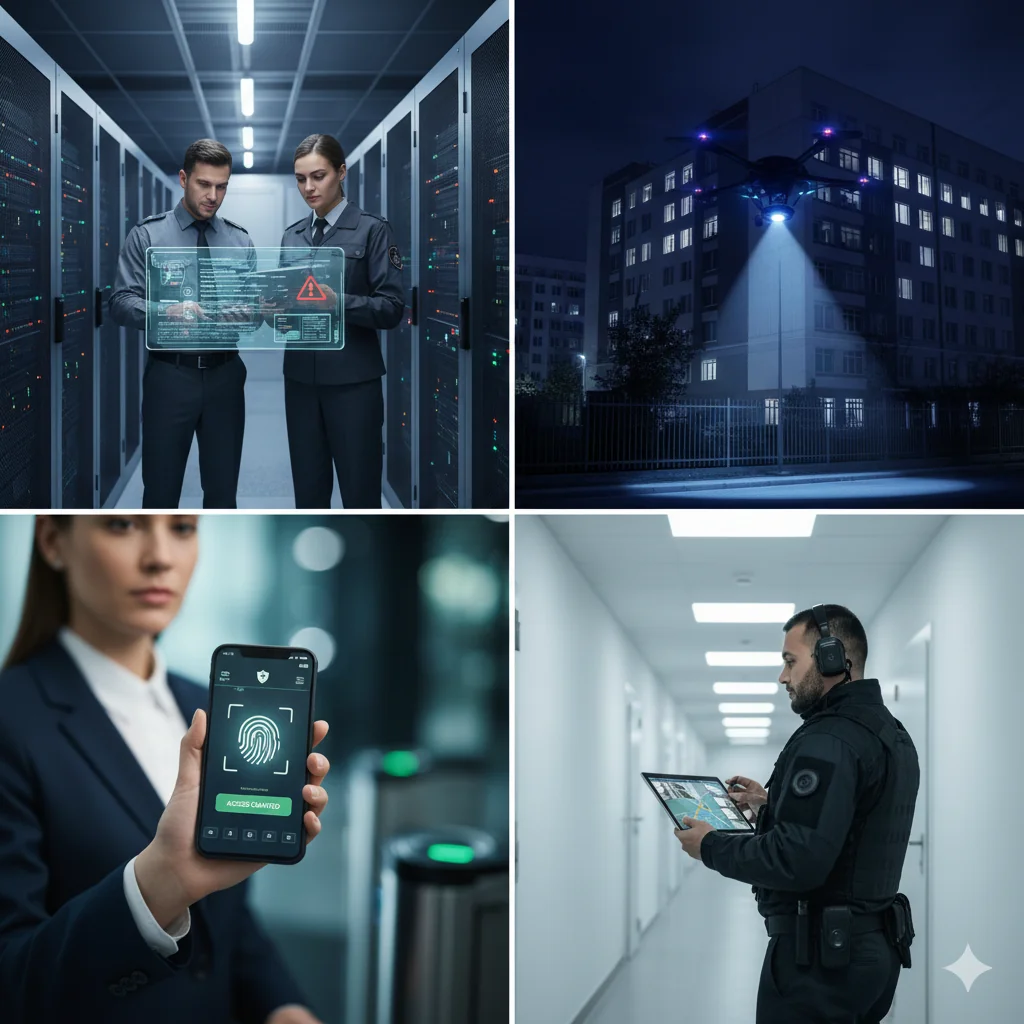
Your website is often the first interaction prospects have with your company. Property managers, HR directors, and corporate security teams will judge your professionalism based on your online presence. A poor website costs you contracts before you even know the opportunity existed.
Security company websites should load fast, look professional, clearly explain services, and make it easy to contact you. Include trust signals like licensing info, insurance, and testimonials.
First Impressions Matter
Visitors form opinions about your company within seconds:
- Slow loading? Visitors leave before seeing your content
- Dated design? Suggests outdated operations
- Hard to navigate? Implies poor organization
- No contact info? Creates suspicion
Essential Pages
Homepage
- Clear headline stating what you do
- Service area prominently displayed
- Key services listed (not everything, just main offerings)
- Trust indicators visible above the fold
- Clear call-to-action (contact form, phone number)
Services Pages
Create dedicated pages for each major service:
- Standing Guard Services
- Mobile Patrol
- Event Security
- Executive Protection
- Specialized services (fire watch, loss prevention, etc.)
Each page should explain what the service includes, who it's for, and how to get started.
About Page
- Company history and founding story
- Leadership team (with photos)
- Mission and values
- Licensing and certifications
- Insurance coverage highlights
Industries/Markets Page
Show expertise in specific verticals:
- Healthcare security
- Retail loss prevention
- Construction site security
- Corporate campus security
- Residential and HOA security
Contact Page
- Phone number (preferably local)
- Email address
- Physical address
- Contact form (keep it short)
- Hours of operation
- Service area map
Trust Signals
Security is a trust business. Include these elements:
Licensing Information
- State license number
- License type (armed, unarmed)
- Verification link if available
Insurance
- Coverage types maintained
- Coverage limits (e.g., $2M general liability)
- Willingness to provide certificates
Testimonials
- Client quotes with names (with permission)
- Industry and role of the person quoted
- Specific results when possible
Certifications and Associations
- ASIS membership
- Industry certifications
- Chamber of Commerce membership
- Better Business Bureau rating
Technical Requirements
Mobile Responsiveness
Over half of web traffic is mobile. Your site must work well on phones:
- Text readable without zooming
- Buttons large enough to tap
- No horizontal scrolling
- Phone number clickable to call
Page Speed
Every second of load time costs you visitors:
- Compress images
- Use efficient hosting
- Minimize plugins and scripts
- Test speed regularly (Google PageSpeed Insights)
Security (HTTPS)
An SSL certificate is mandatory:
- Shows padlock in browser
- Protects form submissions
- Improves search rankings
- Most hosting providers include free SSL
What Clients Look For
Based on what property managers and security directors report:
- Professionalism: Does the site look like a legitimate business?
- Relevance: Do they serve my industry and area?
- Experience: How long have they been operating?
- Credibility: Are they properly licensed and insured?
- Contact: Can I easily reach them?
Common Website Mistakes
- Stock photos of police instead of actual guards
- No phone number visible
- Outdated design (looks like 2005)
- Too much text, no structure
- Missing service area information
- No calls-to-action
- Broken links or missing pages
- Generic content that could be any company
Key Takeaways
- Make contact information obvious and easy
- Include licensing, insurance, and testimonials
- Specific content beats generic—show your expertise
Continue Reading

Video Analytics for Security: Beyond Basic Surveillance
AI-powered video analytics can detect intrusions, count people, and identify anomalies. This guide covers practical applications and integration strategies.
Florida Security Guard License Application: Division of Licensing Guide
Navigate the Florida Division of Licensing application process for security guards, including background checks, training providers, and processing timelines.

The 10 Best Security Guard Management Software Solutions in 2026
From enterprise platforms to mobile-first apps, we review the top security guard software options. Honest assessments of features, pricing, and who each solution works best for.