ICS for Security: Bringing Emergency Management Structure to Your Team
The Incident Command System isn't just for firefighters. Learn how security teams use ICS principles to coordinate complex incidents, from active threats to large-scale evacuations.

When a major incident unfolds—an active threat, a building evacuation, a multi-agency response—chaos is the default. The Incident Command System (ICS) provides structure when you need it most.
ICS is a standardized framework for emergency response that answers key questions: who's in charge, who reports to whom, what resources exist, and what's the plan. Adopt core principles—designate commanders, define roles, practice handoffs—and use technology to reinforce structure.
What Is ICS?
The Incident Command System is a standardized management framework developed for emergency response. Originally created for wildfire response, it's now used by fire departments, police, EMS, and increasingly by private security teams for complex incidents.
ICS Answers Key Questions
- Who's in charge?
- Who reports to whom?
- What resources do we have?
- What's the current situation?
- What's the plan?
Why Security Teams Need ICS
Most security incidents are routine—a simple trespass, a minor theft, a medical call. Your team handles these without special coordination.
But some incidents escalate. A fire evacuation involves coordinating with the fire department, accounting for building occupants, managing access points, and communicating with property management. An active threat requires lockdown procedures, law enforcement coordination, and real-time communication across multiple teams.
Without a framework, these situations devolve into confusion. People duplicate efforts. Critical tasks fall through cracks. Communication breaks down.
Core ICS Concepts
Unified Command
One person is in charge. During multi-agency responses, representatives from each agency form a unified command, but decisions flow through a single structure. No conflicting orders.
Span of Control
No one supervises more than 5-7 people directly. If an incident grows, the organization expands—adding supervisors, not overloading existing ones.
Functional Sections
ICS organizes work into sections: Operations (doing the work), Planning (figuring out what to do), Logistics (getting resources), and Finance/Admin (tracking costs). Not every incident needs all sections, but the framework scales.
Common Terminology
Everyone uses the same words for the same things. No confusion between "command post" and "headquarters" or between "staging area" and "assembly point."
Implementing ICS in Security Operations
You don't need to adopt the full FEMA ICS curriculum to benefit from ICS principles. Start with the core concepts that provide the most value for security operations. Designate incident commanders before incidents happen—everyone should know who takes charge when something escalates beyond routine response. Define roles clearly so that during a major incident, there's no confusion about who handles communication, who manages access points, and who coordinates with emergency services.
Practice handoffs with emergency responders. When the fire department arrives, how does command transfer? What information do they need from your team? These transitions are where coordination often breaks down, and practicing them builds the muscle memory that keeps things smooth under pressure. Document your plan in writing, train your team on it regularly, and update procedures after incidents reveal gaps or improvements.
Technology Support for ICS
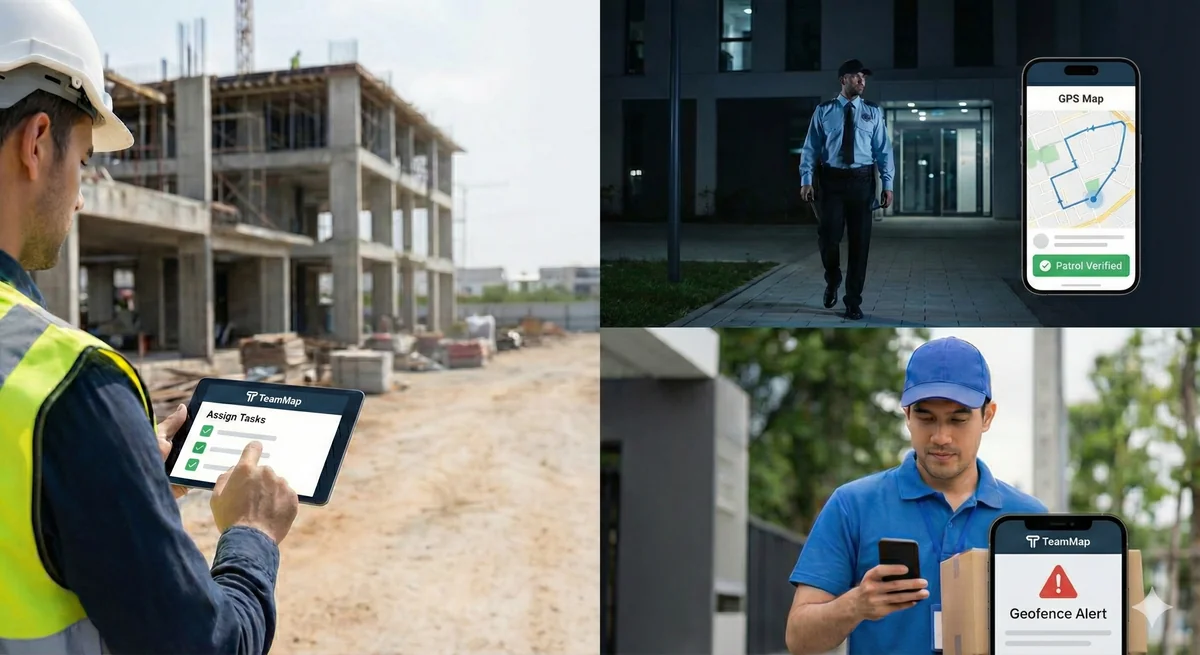
Digital tools can reinforce ICS structure during active incidents. Role assignment features clearly display who's filling which ICS role, eliminating confusion about who has authority over what. Real-time status tracking keeps resources, assignments, and situation updates in one accessible place rather than scattered across radio traffic and memory.
Separate communication channels for command, operations, and logistics prevent the radio clutter that overwhelms response during complex incidents. Automatic documentation logs actions, times, and decisions as they happen, creating the foundation for after-action review without requiring someone to take notes during the crisis.
Starting Small
You don't implement ICS overnight. Start with one scenario—maybe fire evacuation or medical emergency—and build procedures around ICS principles. Practice with tabletop exercises. Expand to other scenarios as your team gets comfortable.
Key Takeaways
- ICS provides clear command structure during complex incidents
- Start with core principles: designated commanders, defined roles, practiced handoffs
- Use technology to reinforce ICS structure with role assignments and real-time status
- Begin with one scenario and expand as your team gains comfort
- The goal is clear structure when chaos threatens—not perfect FEMA compliance
Continue Reading

Video Analytics for Security: Beyond Basic Surveillance
AI-powered video analytics can detect intrusions, count people, and identify anomalies. This guide covers practical applications and integration strategies.
Florida Security Guard License Application: Division of Licensing Guide
Navigate the Florida Division of Licensing application process for security guards, including background checks, training providers, and processing timelines.

The 10 Best Security Guard Management Software Solutions in 2026
From enterprise platforms to mobile-first apps, we review the top security guard software options. Honest assessments of features, pricing, and who each solution works best for.