Visitor Kiosk: Self-Service Check-In for Your Lobby
Transform any tablet into a visitor management station. Guests check themselves in, hosts get notified, and you have a complete visitor log—all without a dedicated receptionist.

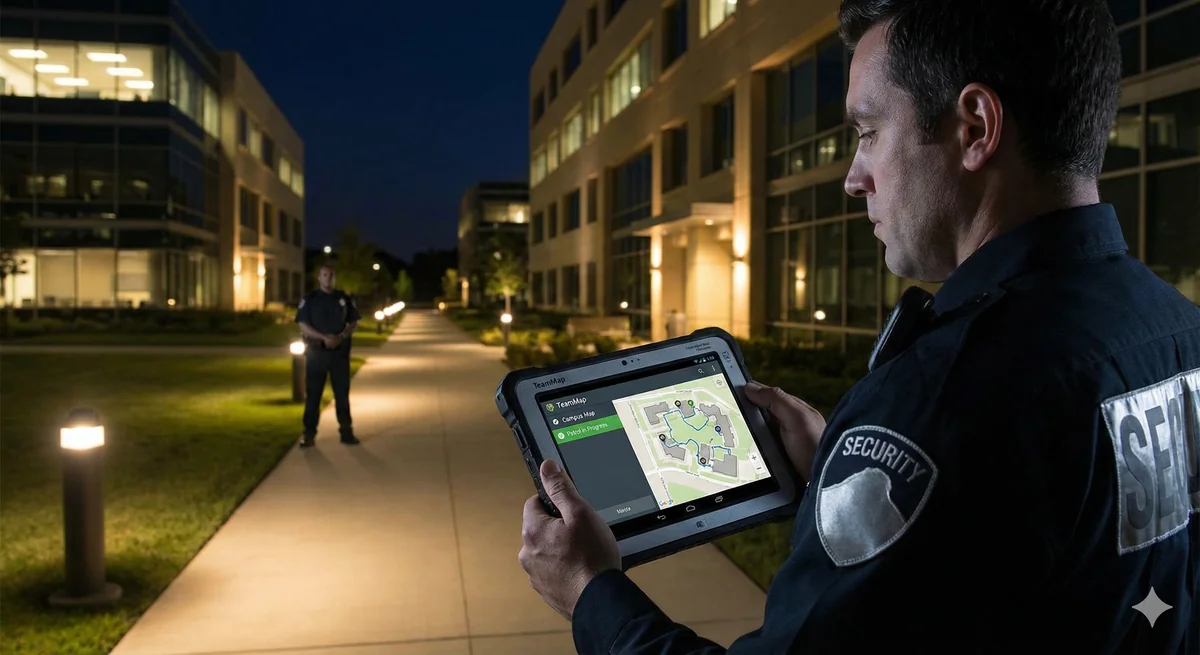
A paper sign-in sheet at the front desk tells you almost nothing useful. Who actually signed in? Did they sign out? Can you read that handwriting? When an evacuation kicks off and you need to know exactly who is in your building, a pile of scribbled names is useless. A digital visitor kiosk turns the front desk into a real record you can act on.
Transform any tablet into a self-service visitor kiosk. Capture names, photos, and acknowledgments. Notify hosts instantly. Know exactly who is in your building at any time—critical for emergency evacuations.
How Digital Check-In Works
The visitor kiosk replaces paper sign-in with a digital flow that captures better information with less friction. When visitors arrive, they approach the kiosk—typically a tablet mounted in your lobby—and enter their information directly. The system captures their name, who they're visiting, and any other information you require. An optional photo creates a visual record that security personnel can reference throughout the visit.
Once the visitor submits their information, the system immediately notifies their host through push notification, email, or both. The host knows exactly who arrived and when, without relying on the front desk to make phone calls. If you've configured badge printing, the visitor receives credentials that identify them throughout their time on premises. Every piece of data is logged with precise timestamps, creating the audit trail that paper sign-ins can never provide.
The self-service nature actually improves the visitor experience while reducing the burden on your reception staff. Visitors appreciate the modern, efficient process. Reception can focus on greeting visitors warmly rather than transcribing information. And security gains accurate, searchable records instead of illegible handwriting.
Information Capture That Matters
Digital visitor management captures the complete picture of who enters your facility, not just a name scrawled on a line. Basic visitor identification includes full name and contact information—details that matter if you need to reach someone after their visit or verify their identity against other records. The host information creates accountability, linking every visitor to an employee who sponsored their access.
Optional photo capture provides visual identification that security can reference throughout the visit. When guards see someone unfamiliar in restricted areas, they can quickly verify whether that person is a registered visitor. Company affiliation helps distinguish between different visitor types—vendors, job candidates, clients, personal guests—so guards know who they're dealing with at a glance.
Purpose of visit documentation supports both security and business intelligence. Knowing why people visit helps identify patterns and supports decisions about facility access. Precise timestamps for both check-in and check-out create the audit trail that investigators, auditors, and emergency responders need. And digital acknowledgment capture ensures visitors have agreed to your safety briefings, NDAs, or other policies—with documented proof they did so.
Host Notification and Communication
The moment a visitor checks in, their host knows about it. Push notifications deliver instant alerts to mobile devices, ensuring hosts learn of arrivals even when away from their desks. Email notifications provide backup communication and written records. The notification includes the visitor's name and photo, so hosts know exactly who to expect when they come to the lobby.
This immediate notification eliminates the awkward delays that frustrate visitors and hosts alike. No more visitors waiting in lobbies while receptionists try to reach busy employees. No more hosts discovering thirty minutes later that their guest has been sitting downstairs. The host can acknowledge receipt and indicate they're on their way, or request a brief delay if they need to finish something first. Visitors receive this feedback, knowing their host has been notified and roughly when to expect them.
Pre-Registration for Expected Visitors
For scheduled visits, pre-registration cuts the arrival down to a tap. Hosts submit visitor information in advance, and the system sends visitors an email with a QR code. When visitors arrive, they simply scan the code rather than manually entering their information. The kiosk recognizes them, displays their pre-filled details for confirmation, and completes check-in in seconds rather than minutes.
Pre-registration particularly benefits high-volume scenarios like conferences, training sessions, or interview days. Instead of long lines forming at the kiosk while each visitor types their information, pre-registered guests breeze through while walk-in visitors use the standard process. The efficiency gains compound as visitor volume increases—exactly when you need them most.
Visitor Logs and Analytics
Every check-in creates a permanent, searchable record that paper logs can never match. The visitor history shows who visited, when they arrived and departed, and whom they visited. Real-time views display currently checked-in visitors—essential information during emergencies or when security needs to locate someone on premises.
The system flags visitors who checked in but never checked out—a common problem that creates inaccurate occupancy records. Pattern analysis reveals visitor frequency and trends that may inform staffing decisions or identify unusual activity. When compliance audits require visitor records, export functionality provides the data in formats auditors expect, without hours of manual transcription from paper logs.
Emergency Evacuation Support
During an evacuation, knowing who is in your building is life-or-death information. The kiosk gives you real-time occupancy that a paper sign-in sheet never can. Security can pull up every visitor currently checked in along with their host, then work that list at the assembly point instead of counting heads from memory.
Because the data is live and searchable, you can hand a dispatcher or arriving responder an accurate count of who was on premises and who they came to see—rather than reconstructing it later from an illegible binder. Pair the visitor log with the rest of TeamMap, and the people running the evacuation are working from the same record as the dispatcher on the Live Map.
Implementation and Setup
Deploying a visitor kiosk requires minimal hardware investment—any iPad or Android tablet works. The TeamMap application includes Kiosk Mode specifically designed for unattended lobby deployment. Configuration options let you specify which fields visitors must complete, whether photos are required or optional, which hosts can receive visitors, and what policies visitors must acknowledge.
Once configured, enable Kiosk Mode and mount the tablet in your lobby. The mode locks the device to visitor check-in functionality only—visitors cannot access other applications or TeamMap features. Consider the physical placement carefully: the kiosk should be visible and accessible to arriving visitors, positioned where reception staff can assist if needed, and secured against theft or tampering.
Key Takeaways
- Digital visitor management captures complete, searchable records that paper cannot match
- Instant host notifications eliminate lobby wait times and communication delays
- Pre-registration with QR codes dramatically speeds check-in for expected visitors
- Real-time occupancy data supports emergency evacuation accountability
- Any tablet becomes a professional visitor kiosk with minimal configuration
Continue Reading
Video Analytics for Security: Beyond Basic Surveillance
AI-powered video analytics can detect intrusions, count people, and identify anomalies. This guide covers practical applications and integration strategies.
Florida Security Guard License Application: Division of Licensing Guide
Navigate the Florida Division of Licensing application process for security guards, including background checks, training providers, and processing timelines.

The 10 Best Security Guard Management Software Solutions in 2026
From enterprise platforms to mobile-first apps, we review the top security guard software options. Honest assessments of features, pricing, and who each solution works best for.