Parking Enforcement Procedures: Citations, Towing, and De-escalation
Standard operating procedures for parking control—violation documentation, warning and citation processes, towing authorization, and handling confrontational situations.

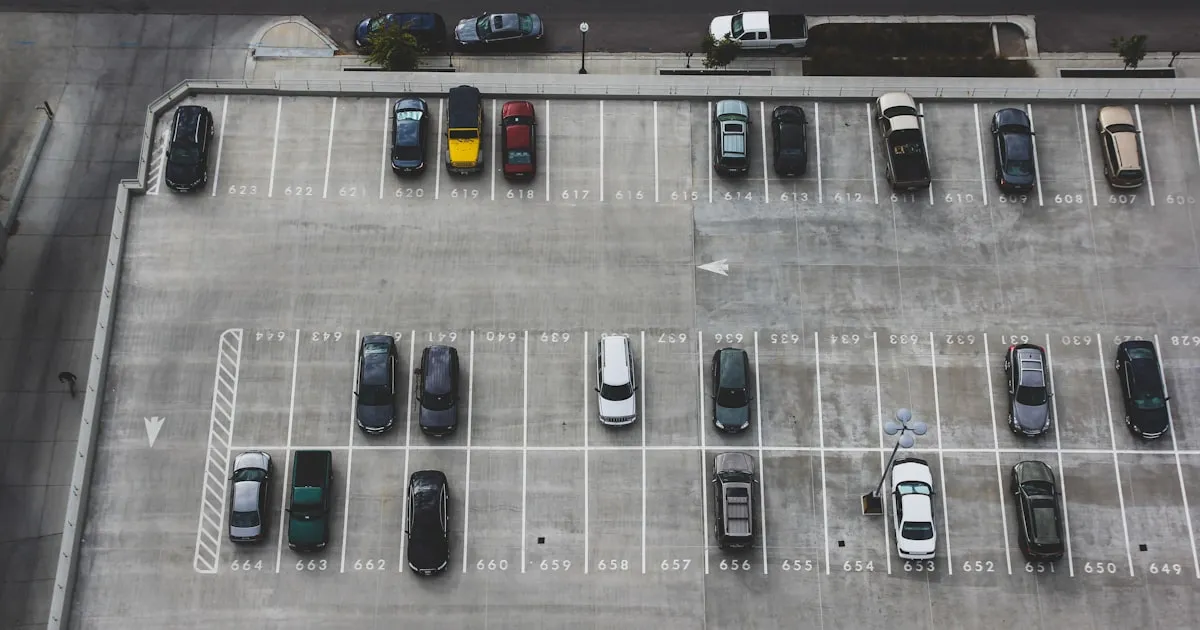
Parking enforcement is one of the most common sources of confrontation for security officers. Clear procedures protect officers, ensure consistent enforcement, and reduce conflicts with vehicle owners.
Effective parking enforcement requires clear rules, consistent application, proper documentation, and de-escalation skills. Know when to cite, when to warn, and when to call for backup or towing.
Authority and Scope
Enforcement Authority
- Security enforces parking on private property only
- Public streets/roads are law enforcement jurisdiction
- Enforcement authority comes from property owner/manager
- Signage must be posted indicating rules and consequences
Common Violations
| Violation | Typical Response |
|---|---|
| No permit/unauthorized area | Warning → Citation → Tow |
| Fire lane | Immediate citation, tow if unattended |
| Handicap (no placard) | Citation, possible law enforcement referral |
| Reserved/assigned space | Warning → Citation → Tow |
| Blocking access/egress | Immediate tow if unattended |
| Expired meter/time limit | Warning → Citation |
| Abandoned vehicle | Notice → Tow after hold period |
Warning Procedure
When to Issue Warning
- First-time minor violation
- New tenant/employee unfamiliar with rules
- Signage unclear in the area
- Extenuating circumstances (as approved by supervisor)
Warning Process
- Document vehicle (make, model, color, plate)
- Photograph vehicle showing violation
- Complete warning notice with:
- Date and time
- Violation type
- Vehicle information
- Explanation of proper parking
- Consequence of repeat violation
- Place notice on driver's side windshield (under wiper)
- Log warning in parking enforcement system
Citation Procedure
When to Issue Citation
- Previous warning on file
- Serious violation (fire lane, handicap, blocking)
- Clear signage present
- Repeat offender
Citation Process
- Verify signage is posted for the violation
- Document vehicle completely:
- Make, model, year, color
- License plate (state and number)
- VIN (if visible)
- Location (specific space or area)
- Photograph:
- Vehicle showing plate
- Vehicle in context (showing violation)
- Relevant signage
- Complete citation form:
- Citation number
- Date, time, location
- Violation code/description
- Fine amount
- Appeal process information
- Place citation on vehicle (under wiper, driver's side)
- Enter in tracking system
Towing Procedure
Authorization Required
- Supervisor approval for most tows
- Standing authorization for fire lanes and blocking violations
- Property manager approval may be required per contract
When Towing Is Authorized
- Vehicle blocking emergency access (fire lane, hydrant)
- Vehicle blocking other vehicles or access points
- Repeat offender with multiple unpaid citations
- Abandoned vehicle after notice period
- Unauthorized vehicle in secured lot
Tow Process
- Attempt to locate owner (page, announcement) if time permits
- Document vehicle thoroughly with photos
- Contact approved tow company
- Complete tow authorization form
- Remain with vehicle until tow truck arrives
- Verify tow driver documents vehicle condition
- Obtain tow receipt with:
- Tow company name and phone
- Storage location
- Tow authorization number
- Log tow in system with all documentation
- Post tow notice at location (if required by local law)
After Tow
- If owner arrives during tow, vehicle may be released at officer discretion
- Drop fee may still apply if truck is hooked
- Provide owner with tow company information
- Do not negotiate or reduce fees—refer to tow company
Confrontation and De-escalation
Common Confrontation Triggers
- "I was only gone for a minute"
- "I didn't see the sign"
- "I'm a [tenant/customer/VIP]"
- "This is ridiculous / you have no authority"
- "I'm not paying this"
De-escalation Techniques
- Stay calm: Lower your voice as they raise theirs
- Listen first: Let them vent before responding
- Acknowledge feelings: "I understand this is frustrating"
- Explain, don't argue: "The fire lane must remain clear for emergency vehicles"
- Offer solutions: "You can appeal this citation if you believe it was issued in error"
- Know when to disengage: "I've provided the information. The appeal process is explained on the citation."
When to Call for Backup
- Person becomes verbally aggressive or threatening
- Person attempts to physically prevent citation or tow
- Person appears intoxicated or unstable
- Crowd begins to gather
- You feel unsafe for any reason
What NOT to Do
- Argue or get drawn into debate
- Make exceptions you're not authorized to make
- Touch the person or their vehicle unnecessarily
- Use profanity or disrespectful language
- Make threats or ultimatums
- Block their vehicle with yours to prevent departure
Handicap Parking Enforcement
Important: Handicap parking violations may be subject to state/local law, not just property rules. Some jurisdictions require law enforcement to issue these citations.
Verification
- Check for valid placard or plate
- Placard should be hung from mirror (not on dash while parked)
- Some jurisdictions require photo ID match on placard
- Do NOT ask about the person's disability
When Person Has Placard
- Placard allows parking—do not cite
- Expired placards are violations
- Placard must belong to person in vehicle
Abandoned Vehicles
Signs of Abandonment
- Flat tires, heavy dust/dirt accumulation
- Expired registration (multiple years)
- Same position for extended period (7+ days)
- Damage consistent with being stationary long-term
- No response to notice
Abandonment Procedure
- Document vehicle and position
- Attempt owner identification (if plate visible)
- Place abandonment notice on vehicle
- Notice states vehicle will be towed after [X] days
- Document notice with photo
- After hold period, tow per standard procedure
Key Takeaways
- Consistent enforcement builds credibility—no favorites
- Document everything with photos and detailed notes
- Fire lane and blocking violations warrant immediate action
- De-escalation skills prevent most confrontations from escalating
- Know when to call for backup—your safety comes first
Continue Reading

Video Analytics for Security: Beyond Basic Surveillance
AI-powered video analytics can detect intrusions, count people, and identify anomalies. This guide covers practical applications and integration strategies.
Florida Security Guard License Application: Division of Licensing Guide
Navigate the Florida Division of Licensing application process for security guards, including background checks, training providers, and processing timelines.

The 10 Best Security Guard Management Software Solutions in 2026
From enterprise platforms to mobile-first apps, we review the top security guard software options. Honest assessments of features, pricing, and who each solution works best for.