The Security Guard Staffing Crisis: Practical Solutions for 2026
Guard turnover exceeds 100% annually at many companies. We look at what's causing the staffing shortage and what successful companies are doing differently.


The security industry faces a chronic staffing shortage that shows no signs of easing. Turnover rates exceeding 100% annually are common, meaning the average company replaces its entire workforce every year. This constant churn drains resources, frustrates clients, and makes growth nearly impossible. Understanding what causes the shortage—and what successful companies do differently—provides the foundation for building a more stable workforce.
Security faces staffing shortages due to low pay, bad schedules, and competition from Amazon and gig work. High-retention companies pay competitively, offer predictable schedules, invest in equipment, and create advancement paths.
Understanding the Problem
Security guard staffing challenges stem from multiple reinforcing factors that make the industry particularly vulnerable to labor market pressures. Pay represents the most obvious issue—security wages often lag behind retail and warehouse jobs that require similar or even less demanding work. When Amazon pays $18 per hour to move boxes in a climate-controlled warehouse, asking someone to stand outside in the cold overnight for $15 per hour becomes a hard sell.
Scheduling compounds the pay problem. Overnight and weekend shifts are inherently hard to fill because they conflict with normal life patterns—family time, social activities, even basic errands that can only be done during business hours. Guards working these shifts often feel disconnected from friends and family who operate on conventional schedules.
Perception issues affect both recruiting and retention. Security work is often seen as low-skill and dead-end—a job you take when you can't get anything better rather than a career you choose. This perception becomes self-fulfilling when companies treat guards as replaceable rather than investing in their development.
Competition for workers has intensified dramatically. Amazon, delivery apps, and gig platforms all compete for the same workers security companies need. These alternatives often offer comparable or better pay with more schedule flexibility and less demanding working conditions. A guard considering their options can drive for DoorDash on their own schedule rather than committing to fixed overnight shifts.
Where Guards Drop Off
Understanding when guards leave helps target retention efforts where they'll have the greatest impact. Here's a typical breakdown for every 100 hires:
Security Guard Retention Funnel
Typical pattern — where guards drop off in the first year (per 100 hires, illustrative)
Critical period: Most turnover happens early. The first 30 days are make-or-break. Investing in onboarding, equipment, and communication tools during this window keeps more guards on the team.
What High-Retention Companies Do Differently
Paying Competitively
This seems obvious but is often ignored in an industry that competes primarily on price. The reality is that paying below market rates costs more in the long run through constant recruiting, training, and the operational chaos of chronic understaffing. Here's how wages vary by state:
Security Guard Pay Rates by State
Approximate hourly ranges — check your local market for current rates
Note: Wages vary significantly by metro area. Major cities pay more than state averages. Armed guards earn more than unarmed. Check job postings in your market for current rates.
Competitive pay requires ongoing market research. Find out what Amazon, Walmart, and delivery apps actually pay in your local market—not nationally, but specifically where you operate. Match or exceed those rates for reliable guards who show up consistently and perform well. Most importantly, build wage increases into your contracts with clients so you can pay competitively without destroying your margins. Clients who won't pay rates that allow competitive wages will always have staffing problems.
Fixing the Schedule Problem
Schedule issues drive departures even when pay is adequate. Guards want predictability—they need to plan childcare, second jobs, and personal lives around work. Consistent schedules that don't change weekly make this possible. Advance notice of at least two weeks for schedule posting lets guards plan ahead rather than operating in constant uncertainty.
Giving guards some choice in their schedules when possible increases satisfaction and reduces resentment. Someone who picks the overnight shift feels differently about it than someone assigned against their preference. Fair distribution of undesirable shifts—rotating weekends and holidays rather than dumping them on the same people—prevents the burnout that drives departures.
Investing in Equipment and Conditions
Small things matter more than many operators realize. Quality uniforms that actually fit properly signal respect and professionalism. Working radios or modern communication apps prevent guards from feeling isolated and unable to get help when they need it. Comfortable patrol vehicles make mobile work sustainable rather than punishing. Adequate break facilities—somewhere warm and dry to eat lunch, clean restrooms accessible during shifts—address basic dignity that affects how guards feel about their jobs.
Creating Advancement Paths
Guards stay longer when they can see a future in the organization beyond their current post. Supervisor roles for strong performers provide something to work toward. Training and certification opportunities—paid for by the company—demonstrate investment in guards' development. Site lead positions create intermediate steps between guard and supervisor. Operations and dispatch roles offer alternatives for guards who want to grow but don't want to supervise. Even if only a small percentage of guards advance, the possibility of advancement affects how everyone views the job.
Technology's Role in Retention
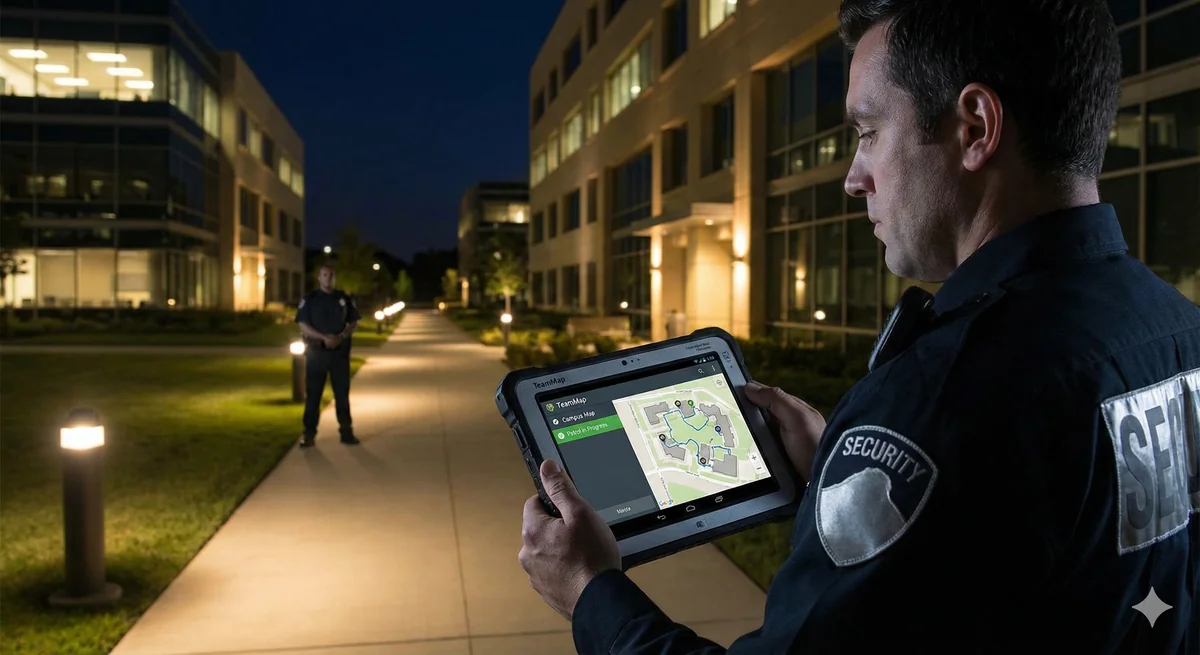
Technology helps with staffing challenges in ways that go beyond operational efficiency. Open shift claiming systems let guards pick up extra work easily when they want more hours—benefiting both the guard and the company. Shift trading features reduce call-offs by enabling swaps between guards rather than requiring management intervention. Modern mobile tools make the job feel more professional and less like you're working for a company stuck in the past. Communication platforms help guards feel connected to their team and company rather than isolated on individual posts.
Hiring from Different Pools
Expanding where you look for guards helps address staffing challenges. Veterans bring military experience that translates well to security work—discipline, attention to detail, comfort with structure and authority. Retirees often prefer steady, structured work that keeps them active without the pressure of career advancement; they're often the most reliable guards you'll find. Career changers leaving other industries bring diverse experience and often appreciate the stability of security work after more chaotic environments. Students can work flexible overnight shifts that fit around class schedules when those shifts are hardest to fill with other demographics.
Measuring What Matters
You can't improve what you don't measure. The 90-day retention rate deserves particular attention because the first 90 days are when most departures occur—improving early retention has outsized impact. Tracking annual turnover by site and supervisor reveals whether problems are company-wide or concentrated in specific areas that need targeted intervention. Exit interview themes, tracked consistently over time, show patterns in why guards leave that point toward systemic issues. Time-to-fill open positions measures how quickly you can recover from departures and indicates how attractive your positions are in the market.
Key Takeaways
- Match or exceed Amazon and Walmart wages for reliable guards—the math works out better than constant replacement.
- Consistent schedules and advance notice reduce turnover by enabling guards to plan their lives.
- Create advancement paths because guards stay when they see a future in the organization.
- Target veterans, retirees, and career changers who value what security work offers.
Continue Reading

Video Analytics for Security: Beyond Basic Surveillance
AI-powered video analytics can detect intrusions, count people, and identify anomalies. This guide covers practical applications and integration strategies.
Florida Security Guard License Application: Division of Licensing Guide
Navigate the Florida Division of Licensing application process for security guards, including background checks, training providers, and processing timelines.

The 10 Best Security Guard Management Software Solutions in 2026
From enterprise platforms to mobile-first apps, we review the top security guard software options. Honest assessments of features, pricing, and who each solution works best for.