Essential Equipment for Security Guards: A Complete Gear Guide
From flashlights to body cameras, the right equipment makes guards more effective. This guide covers must-have gear, optional tools, and procurement strategies.


Equipment transforms a person in a uniform into a capable security professional. The right gear enables effective patrol, documentation, communication, and emergency response. The wrong gear—or inadequate gear—leaves guards unprepared and your company exposed. But more isn't always better: overloading guards with equipment they don't need or aren't trained to use creates confusion without adding value. This guide covers what guards actually need and how to manage equipment effectively.
Essential security equipment includes communication devices, illumination, documentation tools, and safety items. Match equipment to the assignment type and ensure guards are trained on proper use.
Communication Equipment
Communication capability is non-negotiable for security work. Guards need to contact emergency services, report to supervisors, and coordinate with team members. The specific equipment depends on site requirements and operational model, but every guard needs reliable ways to communicate.
Two-way radios remain the standard for multi-guard sites and operations requiring immediate communication. Radio selection should match the operational environment: range appropriate for the site size, battery life sufficient for full shift coverage, weather resistance for outdoor posts, and earpiece options for discretion when needed. Emergency button features allow guards to signal distress when they can't speak—valuable in confrontational situations.
Smartphones have become essential equipment as guard management software moves to mobile platforms. Whether company-provided or personal devices under a BYOD policy, phones enable reporting apps, GPS tracking, photo documentation, and emergency calling. Program emergency contacts and ensure guards understand when and how to use phone-based reporting.
Body cameras increasingly appear in security equipment loadouts. These provide protection against false accusations, evidence for disputed incidents, and documentation of activities. Effective body camera programs require clear policies on when to record, battery life for full shifts, secure mounting, and data management procedures.
Illumination Tools
Security work happens in the dark. Patrol rounds occur at night, guards check unlit areas, and power failures happen. Reliable illumination is basic equipment for any security role.
Primary flashlights should provide high lumen output for effective patrol—cheap flashlights don't cut it when you need to see across a parking lot or check building perimeters. Rechargeable batteries or long battery life prevents equipment failure mid-shift. Durable construction matters when flashlights get dropped, and they will. Multiple modes—high, low, strobe—provide flexibility for different situations. Belt holsters keep flashlights accessible.
Supplementary lighting addresses specific needs. Headlamps provide hands-free illumination for tasks requiring both hands. Vehicle-mounted spotlights enable patrol of large areas from vehicles. Traffic wands help with parking lot duties. Emergency flares or reflective triangles address roadway incidents.
Documentation Tools
Every interaction, observation, and incident needs documentation. The tools guards use for documentation affect the quality and completeness of the records they create.
Traditional documentation tools remain relevant despite digital advances. Clipboards with storage compartments carry forms and provide a writing surface. Notebooks capture observations and details that don't fit standard forms. Quality pens—always carry a backup—ensure legible writing. Pre-printed forms for incident reports, daily activity logs, and visitor registration speed up routine documentation.
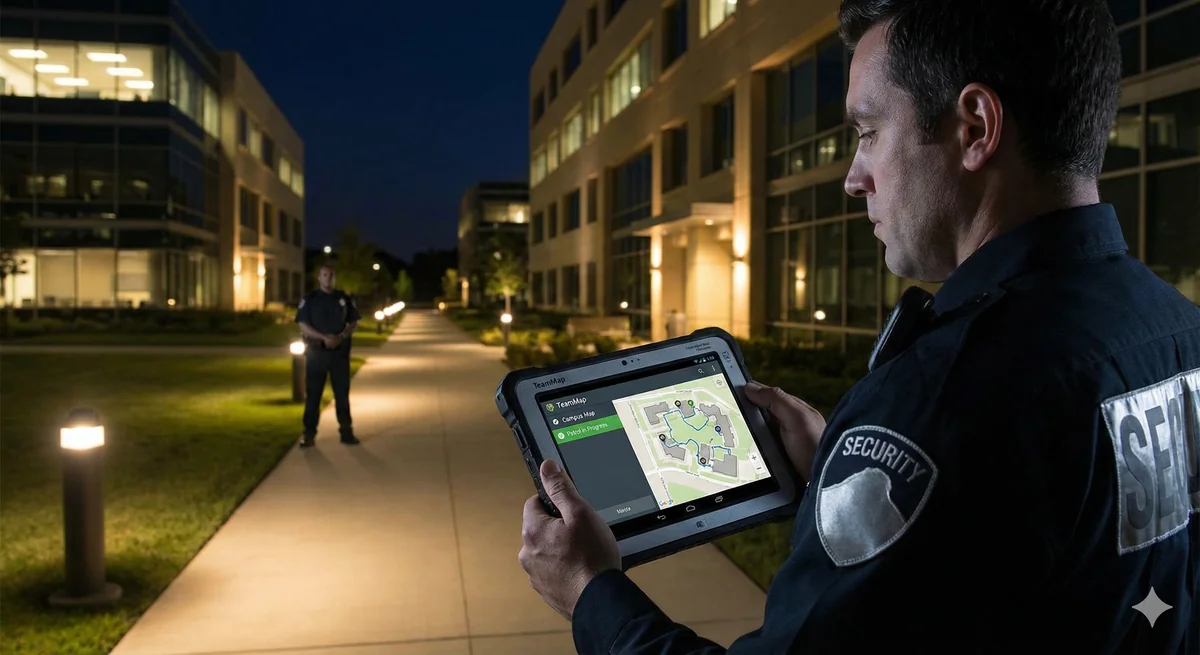
Digital documentation has transformed security operations. Tablets or smartphones running guard management software enable real-time reporting, photo attachment, and automated data capture. Guard tour systems with checkpoint scanning verify patrol completion. Digital cameras—or smartphone cameras—provide visual documentation of incidents and conditions. Time and attendance apps simplify shift management.
Safety and Emergency Equipment
Guards face environmental hazards, medical emergencies, and safety situations that require appropriate equipment. Personal protective equipment protects guards; emergency equipment enables response to situations that arise.
Personal protective equipment varies by assignment. High-visibility vests keep guards visible during traffic duties and outdoor patrol. Rain gear and cold weather gear prevent exposure issues during extended outdoor shifts. Sun protection—hats, sunscreen, sunglasses—matters for daytime outdoor posts. Safety footwear with appropriate traction and protection should be required. Gloves protect hands during access control and when handling unknown materials.
First aid capability enables guards to respond before EMS arrives. Personal first aid kits with basic supplies address minor injuries. For guards with appropriate training, tourniquets and CPR masks enable emergency response to serious injuries. Medical gloves protect against bloodborne pathogens. Guards should know AED locations at their posts even if they don't carry the devices.
Emergency equipment supports broader emergency response. Guards should know fire extinguisher locations and operation. Emergency evacuation maps help guides evacuations. Current emergency contact lists enable rapid notification. Panic buttons or duress alarms allow silent alerts when guards can't communicate openly.
Defensive Equipment
Defensive equipment—OC spray, batons, handcuffs—requires careful consideration. These items can protect guards and enable control of situations, but they also create liability exposure when misused or when carried without proper training and authorization.
Defensive equipment requires proper training, authorization, and compliance with local laws. Never issue equipment guards aren't trained and certified to use. State regulations often specify training requirements for specific items.
Non-lethal options available to trained and authorized guards include OC spray (pepper spray) for distance defense, expandable batons for situations requiring physical control, and handcuffs for detention scenarios. Personal alarms provide a non-physical option for attracting attention in emergencies. Each item requires training on when and how to use it—and when not to.
Site-Specific Equipment
Beyond universal equipment, specific assignments require specific tools. Equipment lists should be developed for each post type based on the duties guards perform.
Access control posts need keys and key rings organized for efficient use, access cards and credentials for electronic systems, visitor badge supplies in adequate quantities, and sign-in materials for visitor management. These items must be accounted for and secured during shift changes.
Vehicle patrol requires properly equipped vehicles including jumper cables for assisting stranded motorists, tire changing equipment for handling flats, traffic cones for scene management, and driving logs for documentation. Vehicles themselves need inspection and maintenance programs.
Special assignments have unique equipment needs. Event security may require crowd management tools. Loss prevention positions need observation and communication equipment. Executive protection emphasizes communication systems and professional appearance. Fire watch assignments require fire extinguishers, fire watch logs, and knowledge of the specific hazards present.
Equipment Management Systems
Equipment only provides value when it's available, functional, and properly used. Equipment management ensures guards have what they need and that company assets are protected.
Issuance and tracking creates accountability. Document all equipment issued to each guard with sign-out records. Conduct regular inventory to identify missing or damaged items. Track condition and maintenance needs. Recover equipment at termination—lost or unreturned equipment costs add up quickly.
Maintenance keeps equipment functional. Establish inspection schedules for all equipment types. Replace batteries on schedule rather than waiting for failure. Repair or replace damaged items promptly—guards need working equipment. Calibrate equipment that requires it. Update software on digital equipment to maintain functionality and security.
Standardization simplifies training and operations. Create standard equipment lists by position type so guards know what to expect. Approve specific brands and models rather than allowing random equipment. Train guards consistently on all equipment before issuance. Maintain spare equipment to replace items being repaired or unexpectedly damaged.
Key Takeaways
- Equipment should match assignment requirements—neither over-equipped nor under-prepared
- Communication and illumination are essential for every guard role
- Train guards on all equipment before issuance—equipment without training creates liability
- Track equipment issuance and condition to maintain accountability
- Maintain and replace equipment on schedule—failed equipment fails guards
Continue Reading

Video Analytics for Security: Beyond Basic Surveillance
AI-powered video analytics can detect intrusions, count people, and identify anomalies. This guide covers practical applications and integration strategies.
Florida Security Guard License Application: Division of Licensing Guide
Navigate the Florida Division of Licensing application process for security guards, including background checks, training providers, and processing timelines.

The 10 Best Security Guard Management Software Solutions in 2026
From enterprise platforms to mobile-first apps, we review the top security guard software options. Honest assessments of features, pricing, and who each solution works best for.