Site Security Assessment Checklist: 75+ Points for Comprehensive Evaluation
A detailed checklist for evaluating physical security at any facility—perimeter, access control, lighting, surveillance, emergency systems, and operational procedures.

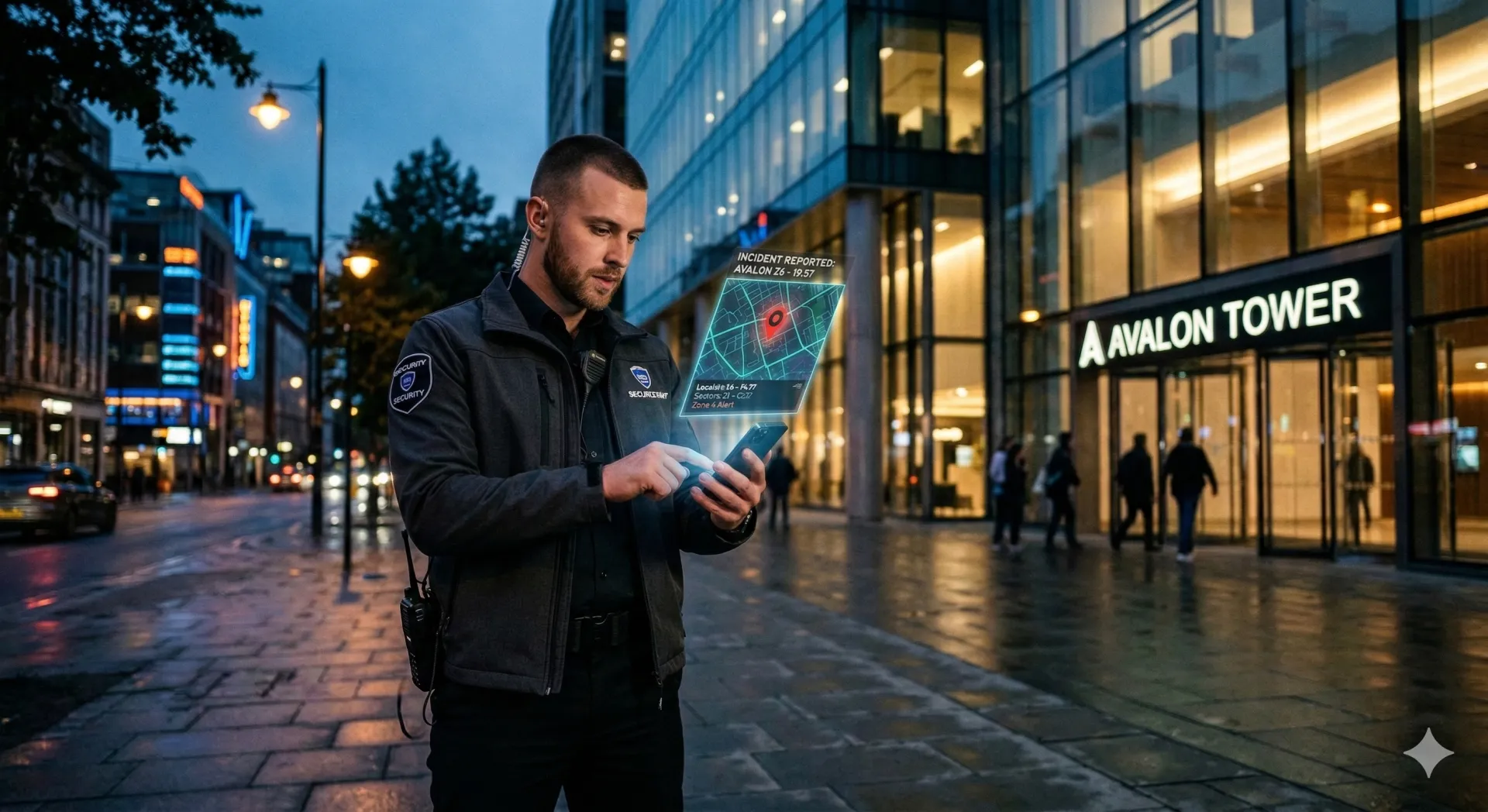
A thorough security assessment identifies vulnerabilities before they become incidents. This 75+ point checklist covers physical security, access control, surveillance, emergency preparedness, and operational procedures for any facility type.
Use this checklist for initial site surveys, periodic security audits, or client consultations. Rate each item, note deficiencies, and prioritize recommendations based on risk level and implementation cost.
How to Use This Checklist
For each item, assign a rating:
- ✓ Adequate: Meets security requirements
- △ Needs Improvement: Functional but could be enhanced
- ✗ Deficient: Significant security gap exists
- N/A: Not applicable to this site
1. Perimeter Security (12 Points)
Fencing & Barriers
- ☐ Perimeter fence in good condition (no gaps, holes, or damage)
- ☐ Fence height adequate for threat level (typically 7-8 ft minimum)
- ☐ Anti-climb measures installed (barbed wire, rotating toppers) where appropriate
- ☐ Vehicle barriers at entrances (bollards, planters, gates)
- ☐ No climbable objects near fence line (dumpsters, trees, pallets)
Gates & Entry Points
- ☐ All gates lockable and in good working order
- ☐ Vehicle gates have anti-tailgating measures
- ☐ Pedestrian gates separate from vehicle entry where possible
- ☐ Emergency vehicle access maintained
Perimeter Monitoring
- ☐ Clear sightlines along perimeter (vegetation maintained)
- ☐ Perimeter lighting adequate (no dark spots)
- ☐ CCTV coverage of perimeter and entry points
2. Building Exterior (10 Points)
Doors
- ☐ All exterior doors solid-core or metal construction
- ☐ Door frames reinforced (anti-pry plates installed)
- ☐ Hinges on secure side (interior) or have non-removable pins
- ☐ All doors close and latch properly
- ☐ Emergency exits alarmed and cannot be opened from outside
- ☐ Loading dock doors secured when not in use
Windows
- ☐ Ground floor windows have locks or security film
- ☐ No windows left open/unsecured after hours
- ☐ Skylights and roof access points secured
Other Openings
- ☐ Utility openings (HVAC, vents) secured against entry
- ☐ Roof access secured (locked hatches, ladder guards)
3. Access Control (15 Points)
Entry Systems
- ☐ Access control system installed at appropriate entry points
- ☐ Credential type appropriate for security level (cards, fobs, biometric)
- ☐ Anti-passback or tailgating prevention measures
- ☐ Access levels defined by area sensitivity
- ☐ Visitor credentials distinguishable from employee credentials
Credential Management
- ☐ Process for issuing new credentials documented
- ☐ Timely deactivation of lost/stolen credentials
- ☐ Terminated employee credentials deactivated immediately
- ☐ Temporary/contractor credentials have expiration dates
- ☐ Regular audit of active credentials conducted
Key Control
- ☐ Master key system with limited distribution
- ☐ Key log maintained with sign-out procedures
- ☐ Key audit conducted regularly
- ☐ Locks rekeyed when keys are lost or unreturned
- ☐ High-security areas use restricted keyways
4. Surveillance Systems (10 Points)
Camera Coverage
- ☐ All entry/exit points covered
- ☐ Parking areas covered
- ☐ Loading dock and delivery areas covered
- ☐ High-value or sensitive areas covered
- ☐ Stairwells and elevators covered
- ☐ No blind spots in critical areas
System Quality
- ☐ Camera resolution adequate for identification (not just detection)
- ☐ Night vision or IR capability where needed
- ☐ Recording system functional with adequate storage
- ☐ Retention period meets legal/policy requirements
5. Lighting (8 Points)
- ☐ Parking lots: Minimum 1-2 foot-candles at ground level
- ☐ Building entrances: Well-lit, no shadows
- ☐ Perimeter: Continuous lighting, no dark gaps
- ☐ Stairwells: Adequate lighting at all landings
- ☐ Emergency lighting: Functional backup on generator/battery
- ☐ Burned out lights: Replaced promptly (maintenance process exists)
- ☐ Lighting protected from vandalism where accessible
- ☐ Motion-activated lights in low-traffic areas
6. Alarm Systems (8 Points)
- ☐ Intrusion detection covers all perimeter doors
- ☐ Motion sensors in interior areas (after hours)
- ☐ Glass break sensors on vulnerable windows
- ☐ Panic/duress buttons at appropriate locations
- ☐ Alarm monitoring: 24/7 central station or in-house
- ☐ Response procedures documented and tested
- ☐ Regular testing of all sensors (documented)
- ☐ False alarm reduction measures in place
7. Fire & Life Safety (10 Points)
- ☐ Fire alarm system functional and tested regularly
- ☐ Sprinkler system operational (where installed)
- ☐ Fire extinguishers: Proper type, inspected, accessible
- ☐ Emergency exits: Marked, unobstructed, functional
- ☐ Exit signs: Illuminated, visible from all areas
- ☐ Emergency lighting: Tested and functional
- ☐ Evacuation routes: Posted and current
- ☐ Assembly areas: Designated and communicated
- ☐ Fire drills: Conducted at required intervals
- ☐ AED locations: Accessible and maintained
8. Security Operations (12 Points)
Staffing & Coverage
- ☐ Staffing levels appropriate for site size and risk
- ☐ Coverage maintained during breaks and shift changes
- ☐ Response times to incidents are acceptable
Documentation
- ☐ Post orders current and accessible
- ☐ Emergency procedures documented
- ☐ Incident reports completed properly
- ☐ Daily activity logs maintained
- ☐ Visitor logs complete and legible
Communication
- ☐ Radio communication functional throughout site
- ☐ Emergency contact lists current
- ☐ Chain of command documented
- ☐ Communication with local law enforcement established
9. Employee & Visitor Management (8 Points)
- ☐ Employee ID badges issued and worn
- ☐ Badge challenge culture established
- ☐ Visitor sign-in procedures enforced
- ☐ Visitor badges distinguishable and collected upon departure
- ☐ Escort policy for visitors in sensitive areas
- ☐ Contractor/vendor credentialing process exists
- ☐ Background checks conducted for employees with access
- ☐ Terminated employee access removal process exists
10. Information & Asset Protection (7 Points)
- ☐ Sensitive documents secured (locked cabinets, clean desk policy)
- ☐ Computer screens positioned away from public view
- ☐ Server/data rooms have restricted access
- ☐ Shredding/secure disposal available for sensitive documents
- ☐ Laptop locks or secured storage available
- ☐ Inventory of high-value assets maintained
- ☐ Package/mail screening procedures (where warranted)
Risk Rating Matrix
After completing the checklist, categorize deficiencies:
| Priority | Criteria | Action Timeline |
|---|---|---|
| Critical | Immediate life safety or major security gap | Address within 24-48 hours |
| High | Significant vulnerability, moderate likelihood | Address within 30 days |
| Medium | Minor vulnerability or enhancement opportunity | Address within 90 days |
| Low | Best practice recommendation, low risk | Include in next budget cycle |
Assessment Report Format
The final assessment report should include:
- Executive Summary: Overall security posture and top priorities
- Methodology: How the assessment was conducted
- Findings by Category: Detailed observations for each section
- Recommendations: Prioritized list with estimated costs
- Implementation Timeline: Suggested phasing of improvements
- Appendices: Photos, diagrams, detailed checklists
Key Takeaways
- Conduct assessments annually or after significant changes
- Prioritize findings by risk level, not ease of implementation
- Document everything with photos and specific locations
- Include cost estimates to help clients budget
- Follow up on previous recommendations
Continue Reading
Video Analytics for Security: Beyond Basic Surveillance
AI-powered video analytics can detect intrusions, count people, and identify anomalies. This guide covers practical applications and integration strategies.
Florida Security Guard License Application: Division of Licensing Guide
Navigate the Florida Division of Licensing application process for security guards, including background checks, training providers, and processing timelines.

The 10 Best Security Guard Management Software Solutions in 2026
From enterprise platforms to mobile-first apps, we review the top security guard software options. Honest assessments of features, pricing, and who each solution works best for.