How Security Companies Cut Overtime Costs by 30% or More
Overtime is one of the biggest profit killers in contract security. Here are the scheduling strategies and tools that help companies bring labor costs under control.


Overtime is often the biggest controllable cost in contract security operations. When you're paying time-and-a-half for labor while billing clients at regular rates, margins evaporate quickly. Companies that manage overtime effectively protect their profitability; those that don't struggle to stay in business even with seemingly healthy revenue. The good news is that overtime is controllable through visibility, strategic scheduling, and the right tools.
Overtime gets out of control from poor visibility, call-offs, and understaffing. Control it with 40-hour visibility, strategic shift design, float pools, and technology that alerts before assignments push into overtime.
Why Overtime Gets Out of Control
Poor visibility is the most common culprit. Schedulers who don't see total hours worked until payroll runs can't prevent overtime before it happens. By the time anyone notices, the extra hours have already been worked and must be paid.
Call-offs trigger emergency overtime situations. When a guard doesn't show up and the post must be covered, whoever is available gets called in—regardless of their current hours. The guard already working may stay late, or someone scheduled off may come in for extra hours that push them past 40.
Chronic understaffing makes overtime structurally inevitable. If you simply don't have enough guards to cover all shifts without overtime, no amount of scheduling optimization will solve the problem—you need more people. Inefficient scheduling fails to optimize guard availability even when adequate staff exists; shifts get filled based on who picks up the phone rather than who can work without overtime.
Client demands often contribute through scope creep without corresponding pricing adjustments. Additional hours get requested and covered without recognizing that they push labor costs into overtime territory.
The Impact of Better Tools
Companies using digital scheduling and communication tools see significant overtime reductions compared to manual processes. Here's the typical breakdown:
Monthly Overtime Hours: Before vs After
Example scenario — where overtime hours come from and where tools help cut them
The point: Most overtime comes from scheduling gaps and callout scrambles — the things software fixes first. Run your own numbers with your actual OT hours and pay rates to see what you could save.
Strategic Scheduling Approaches
The most basic overtime control is 40-hour visibility—knowing where every guard stands against the overtime threshold before assigning additional shifts. This seems obvious, but many operations lack real-time visibility into accumulated hours. Color-coding guards approaching 40 hours or triggering automatic alerts provides the information schedulers need to make informed decisions.
Shift design significantly affects overtime exposure. Twelve-hour shifts limit guards to three shifts before hitting overtime, leaving little flexibility for coverage needs. Eight-hour shifts provide more scheduling options and allow for partial coverage without triggering overtime. Building part-time positions into your staffing model creates flexibility to handle coverage needs without forcing full-time guards into overtime.
Float or relief pools provide the flexibility that prevents overtime emergencies. Maintain a pool of part-time guards who want extra hours and make themselves available for additional work. When coverage needs would otherwise require overtime from full-time staff, pull from the float pool instead. Guards in the pool get the hours they want; you avoid overtime costs; everyone wins.
Technology That Helps
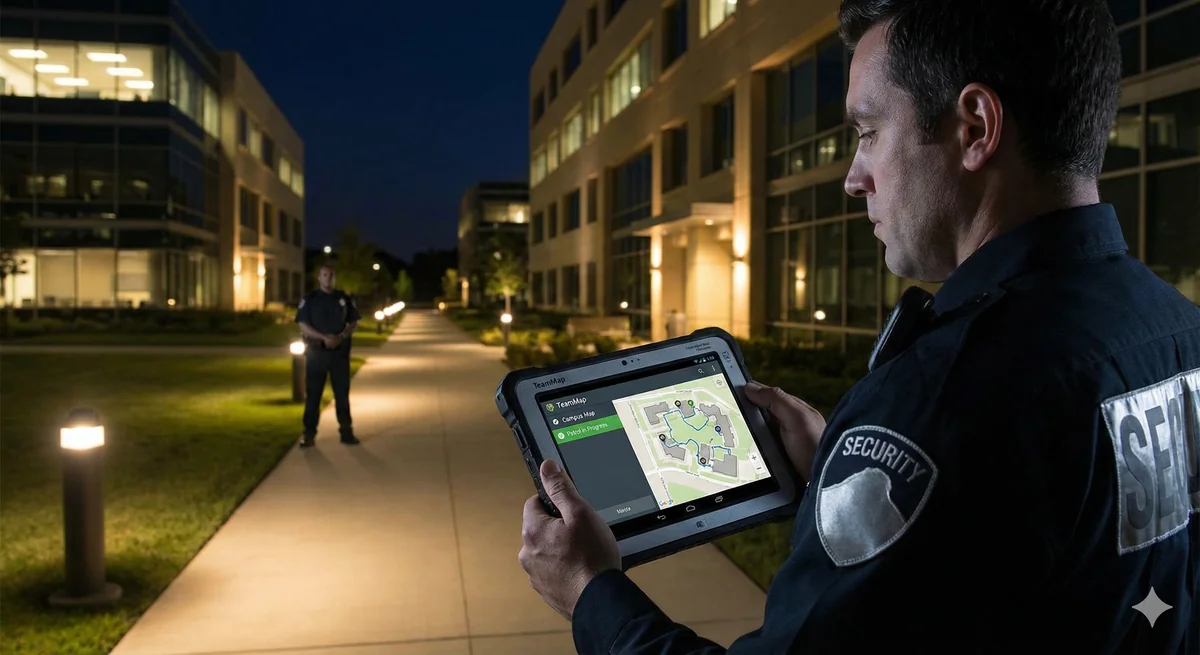
Scheduling software can automate much of the overtime prevention that's difficult to maintain manually. Real-time hours tracking across all guards shows exactly where everyone stands against overtime thresholds. Automatic alerts before assignments push guards into overtime catch problems at the decision point. Surfacing which guards are still under 40 hours makes it faster to find non-overtime coverage. Historical tracking of overtime patterns by site, guard, or time period reveals underlying issues that need systematic solutions rather than case-by-case management.
Reducing Call-Offs
Call-offs drive emergency overtime, so reducing their frequency directly impacts overtime costs. Clear attendance policies with meaningful consequences establish expectations that most guards will meet. Shift trading systems let guards swap shifts with each other instead of calling off—the shift still gets covered without requiring overtime fills. Advance notice incentives encourage guards to notify early when they can't work, providing time to find non-overtime coverage. Open shift pools that make it easy to claim available shifts put extra hours in front of guards who want them, often before overtime becomes necessary.
Pricing for Unavoidable Overtime
Some overtime is inevitable even with excellent management. When overtime must happen, don't absorb the cost silently. Build realistic overtime assumptions into contract pricing from the start—if historical data shows 5% overtime, price accordingly. Bill overtime hours at premium rates that reflect your actual costs. Document overtime causes carefully to support client conversations about coverage patterns and any necessary pricing adjustments.
Measuring Progress
Track your overtime as a percentage of total hours to benchmark performance. Overtime adds up fast. Well-managed operations keep it as low as possible through consistent application of the strategies described above. Overtime that keeps climbing indicates a structural problem—either understaffing, poor scheduling processes, or client requirements that haven't been properly priced—that needs systematic attention rather than case-by-case management.
Key Takeaways
- 40-hour visibility is the most basic overtime control—you can't prevent what you don't see coming.
- Float and relief pools provide flexibility that reduces emergency overtime situations.
- Make shift swapping easy to reduce call-offs that trigger overtime fills.
- When overtime is unavoidable, bill it at premium rates that reflect actual costs.
Calculate Your Potential Savings
Want to see how much you could save by reducing overtime and improving scheduling efficiency? Use our ROI calculator to estimate your annual savings:
Field Team Software ROI Calculator
Enter your numbers to estimate potential savings
Your Operation
Administrative Costs
Current Challenges
Estimated Annual Savings
Investment & Return
Continue Reading

Video Analytics for Security: Beyond Basic Surveillance
AI-powered video analytics can detect intrusions, count people, and identify anomalies. This guide covers practical applications and integration strategies.
Florida Security Guard License Application: Division of Licensing Guide
Navigate the Florida Division of Licensing application process for security guards, including background checks, training providers, and processing timelines.

The 10 Best Security Guard Management Software Solutions in 2026
From enterprise platforms to mobile-first apps, we review the top security guard software options. Honest assessments of features, pricing, and who each solution works best for.