School Security Officers: Best Practices for K-12 Campus Safety
School security requires a unique approach—balancing safety with a welcoming environment for students. This guide covers protocols, training, and technology.

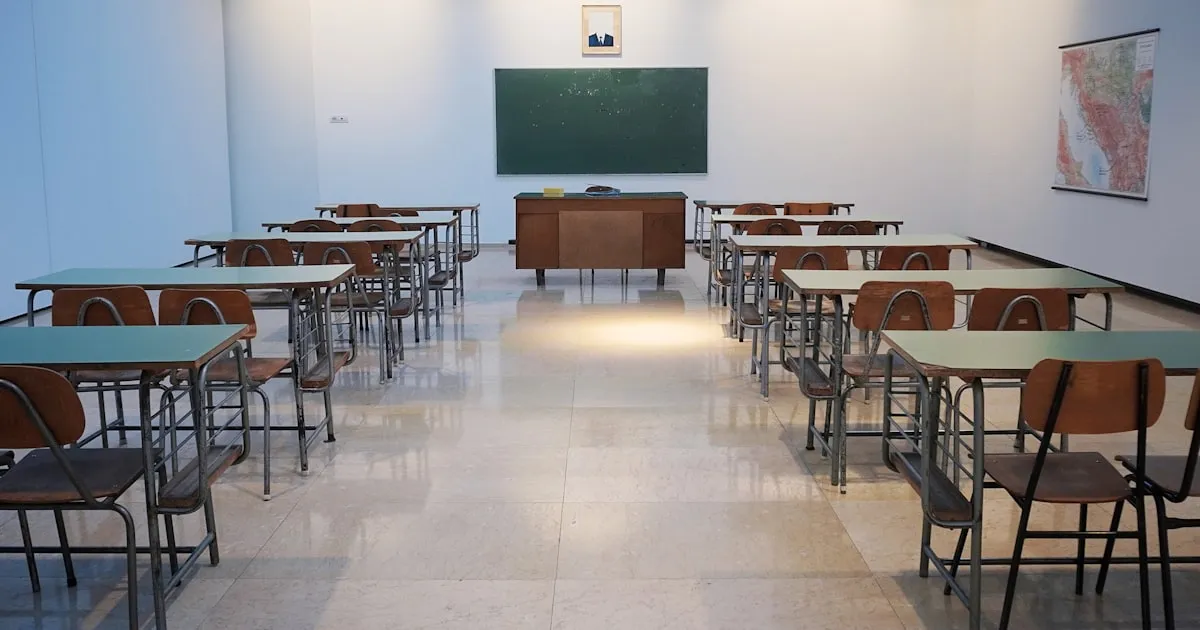
School security requires a fundamentally different approach than commercial or industrial security. Officers must balance safety with maintaining a welcoming educational environment. Students aren't trespassers—they're the people you're protecting. The officer who treats students like suspects undermines both security and education. Success comes from understanding that effective school security creates an environment where students feel safe enough to learn.
Effective school security combines access control, emergency preparedness, and positive student relationships. Officers should be trained specifically for educational environments, not just general security skills.
The Unique School Security Role
School security officers fulfill functions that differ significantly from other security contexts. Access control and visitor management ensure only authorized individuals enter campus, but must do so without creating a fortress atmosphere that intimidates students and families. Emergency response and crisis management prepare officers for situations no one wants to encounter, from medical emergencies to the unthinkable scenarios that have made school security a national priority.
Patrol and visibility serve dual purposes in schools—deterring threats while also establishing the officer as a familiar, approachable presence rather than an intimidating authority figure. Threat assessment and prevention require understanding adolescent behavior well enough to distinguish concerning patterns from normal teenage angst. Student and staff safety remains the ultimate purpose behind every function, while incident documentation creates records that serve legal, administrative, and learning purposes.
Several factors make school security distinctly different from commercial environments. Students are minors with legal protections that shape what officers can and cannot do. The educational environment must be preserved—security measures that disrupt learning defeat their own purpose. Parent and community scrutiny exceeds almost any other security context; every decision may face public questioning. Relationships matter more than enforcement because an officer students trust becomes an intelligence asset for preventing problems. Law enforcement coordination proves essential because serious incidents require a clean handoff to police authority.
Access Control in Educational Settings
Visitor management forms the front line of school access control while presenting challenges unique to educational settings. Effective programs funnel all visitors through a single point of entry during school hours, channeling foot traffic so that anyone entering must pass security screening. ID verification for all visitors creates accountability and allows background checking when systems support it. Visitor badges must remain visible at all times, making any adult without credentials immediately identifiable. Background screening for regular volunteers prevents known offenders from gaining access through legitimate-seeming roles. Sign-in and sign-out procedures create audit trails and ensure visitors don't remain after their stated purpose ends.
Perimeter security extends protection beyond the main entrance. All exterior doors must be secured during school hours so the visitor entrance remains the only way in. Regular perimeter checks identify propped doors, damaged hardware, or students who have exited without authorization. Monitoring parking lots and playgrounds addresses areas where incidents often originate or where unauthorized individuals might approach students. Ongoing assessment of fencing and barriers ensures physical controls remain effective.
Arrival and dismissal present particular challenges because hundreds or thousands of students and vehicles converge in a short window. Vehicle traffic management prevents congestion that creates safety hazards and opportunities for unauthorized access. Bus loading zone security ensures safe student movement and driver identity verification. Student pickup verification prevents unauthorized individuals from leaving with children—particularly critical given custody disputes and protection orders. Pedestrian safety protects students walking to and from school through increased traffic.
Emergency Preparedness
Drill participation prepares both officers and the school community for emergencies. Lockdown drills practice responses that must become automatic because real incidents leave no time for deliberation. Fire drills verify evacuation routes function and students know procedures. Evacuation drills practice moving the entire school population when the building cannot be occupied. Shelter-in-place procedures prepare for weather emergencies or external threats that make leaving dangerous. Reunification planning addresses how students and parents reconnect after an emergency—a process that requires systematic verification to prevent releasing students to unauthorized individuals in chaotic circumstances.
Active threat response demands thorough preparation and coordination. Officers must know the school's emergency plan in detail, including lockdown procedures, evacuation routes, and communication protocols. Coordination with local law enforcement establishes relationships and shared understanding before incidents occur. Run-hide-fight protocols provide decision frameworks for various scenarios. Knowledge of every evacuation route and rally point allows officers to direct movement during crises. First aid and trauma response capabilities may be needed before emergency medical services arrive.
Medical emergencies occur more frequently than security threats and require immediate response. Officers should know locations of every AED in the building and be certified in CPR and first aid. Allergy emergency protocols address anaphylaxis and other acute reactions. Mental health crisis response training helps officers recognize and appropriately handle students in psychological distress—an increasingly common situation that requires sensitivity rather than enforcement approaches.
Working with Students
Building positive relationships transforms security officers from authority figures into trusted adults. Learning student names demonstrates investment in individuals rather than treating students as an undifferentiated mass. Approachable, friendly demeanor encourages students to share concerns they might hide from intimidating officers. Attending school events when possible—games, performances, activities—shows interest in the community beyond security duties. Being a positive adult presence means students see the officer as someone they can turn to. Listening when students want to talk creates opportunities for students to share information about concerning situations.
Behavioral intervention requires different approaches than adult security situations. De-escalation comes first, always—confrontational approaches escalate adolescent situations unnecessarily. Understanding age-appropriate responses means recognizing that teenagers push boundaries as a normal developmental stage. Following school discipline policies keeps security responses aligned with educational goals rather than criminal justice frameworks. Involving school staff for student issues respects that teachers and administrators know their students better. Documenting incidents thoroughly creates records for both immediate follow-up and pattern identification.
Physical intervention with students should be rare and follow strict protocols. Improper handling can result in legal liability, job loss, and harm to students. Most situations de-escalate without physical contact when handled properly.
Special populations require adapted approaches. Students with disabilities may react differently to authority figures, sensory stimulation, or physical proximity—behavior that appears non-compliant may reflect disability rather than defiance. ESL students may need different communication approaches when language barriers exist. Students with trauma histories need sensitive handling because aggressive security responses can re-traumatize. Knowing which students have behavior intervention plans ensures security responses align with established strategies.
Threat Assessment and Prevention
Recognizing warning signs enables intervention before situations escalate to violence. Threatening statements or writings—in essays, social media, or conversation—require attention even when students claim they were joking. Sudden behavior changes may indicate crisis situations developing. Fixation on violence or weapons, particularly when expressed repeatedly, merits concern. Social withdrawal or isolation can indicate both risk of self-harm and, in rare cases, risk of harm to others. Both bullying victimization and perpetration correlate with increased risk and deserve attention.
Reporting concerns requires knowing the school's threat assessment team and their procedures. Report concerns promptly—erring on the side of reporting rather than dismissing. Document observations factually, describing what was seen or heard rather than interpreting meaning. Avoid investigating independently; security officers are not investigators and amateur attempts can compromise professional threat assessments. Maintain confidentiality about reports to protect both the subjects and the reporting process.
Coordination with School Community
School administration coordination keeps security aligned with educational leadership. Regular communication with the principal ensures security awareness of school events, concerns, and priorities. Clear chain of command prevents confusion about authority and decision-making during incidents. Understanding school policies—discipline, attendance, parental rights—keeps security responses consistent with institutional standards. Attending relevant staff meetings maintains integration with the school team.
Coordination with School Resource Officers requires clear role definition. Private security officers and SROs have different authorities and responsibilities—understanding the distinction prevents overstepping and ensures appropriate response. Regular communication about incidents keeps both parties informed. Coordinated response plans establish who does what when situations develop. Respecting law enforcement authority means deferring appropriately when situations exceed private security scope.
Teachers and staff relationships enhance security effectiveness. Building collaborative relationships establishes security officers as resources rather than intrusions. Supporting classroom management when appropriate helps maintain order without undermining teacher authority. Sharing relevant safety concerns keeps teachers informed of issues affecting their students. Knowing staff by name creates the personal connections that facilitate information sharing and coordinated response.
Specialized Training Requirements
School security officers require training beyond standard security curricula. Adolescent development and behavior education helps officers understand that teenage actions often reflect developmental stages rather than deliberate defiance. De-escalation techniques specifically designed for youth prove more effective than adult-oriented approaches. Trauma-informed practices recognize that many students carry experiences that shape their reactions to authority. Bullying prevention and intervention training addresses one of the most common school safety issues. Cultural competency prepares officers for diverse student populations. Basic special education knowledge helps officers recognize and accommodate students with disabilities. Mandatory reporting requirements ensure officers understand their legal obligations regarding suspected abuse or neglect. Emergency operations training specific to schools addresses the unique challenges of protecting large numbers of children.
Key Takeaways
- School security requires approaches fundamentally different from commercial security.
- Positive relationships with students enhance safety more than aggressive enforcement.
- Access control and visitor management form the foundation of campus protection.
- Emergency preparedness requires knowledge of protocols and regular drill participation.
- Specialized training for educational environments proves essential for effectiveness.
Continue Reading

Video Analytics for Security: Beyond Basic Surveillance
AI-powered video analytics can detect intrusions, count people, and identify anomalies. This guide covers practical applications and integration strategies.
Florida Security Guard License Application: Division of Licensing Guide
Navigate the Florida Division of Licensing application process for security guards, including background checks, training providers, and processing timelines.

The 10 Best Security Guard Management Software Solutions in 2026
From enterprise platforms to mobile-first apps, we review the top security guard software options. Honest assessments of features, pricing, and who each solution works best for.