Security Robots: Are Autonomous Patrol Units Worth It?
From Knightscope to Boston Dynamics, security robots are entering the market. We examine capabilities, costs, and realistic use cases for physical security.

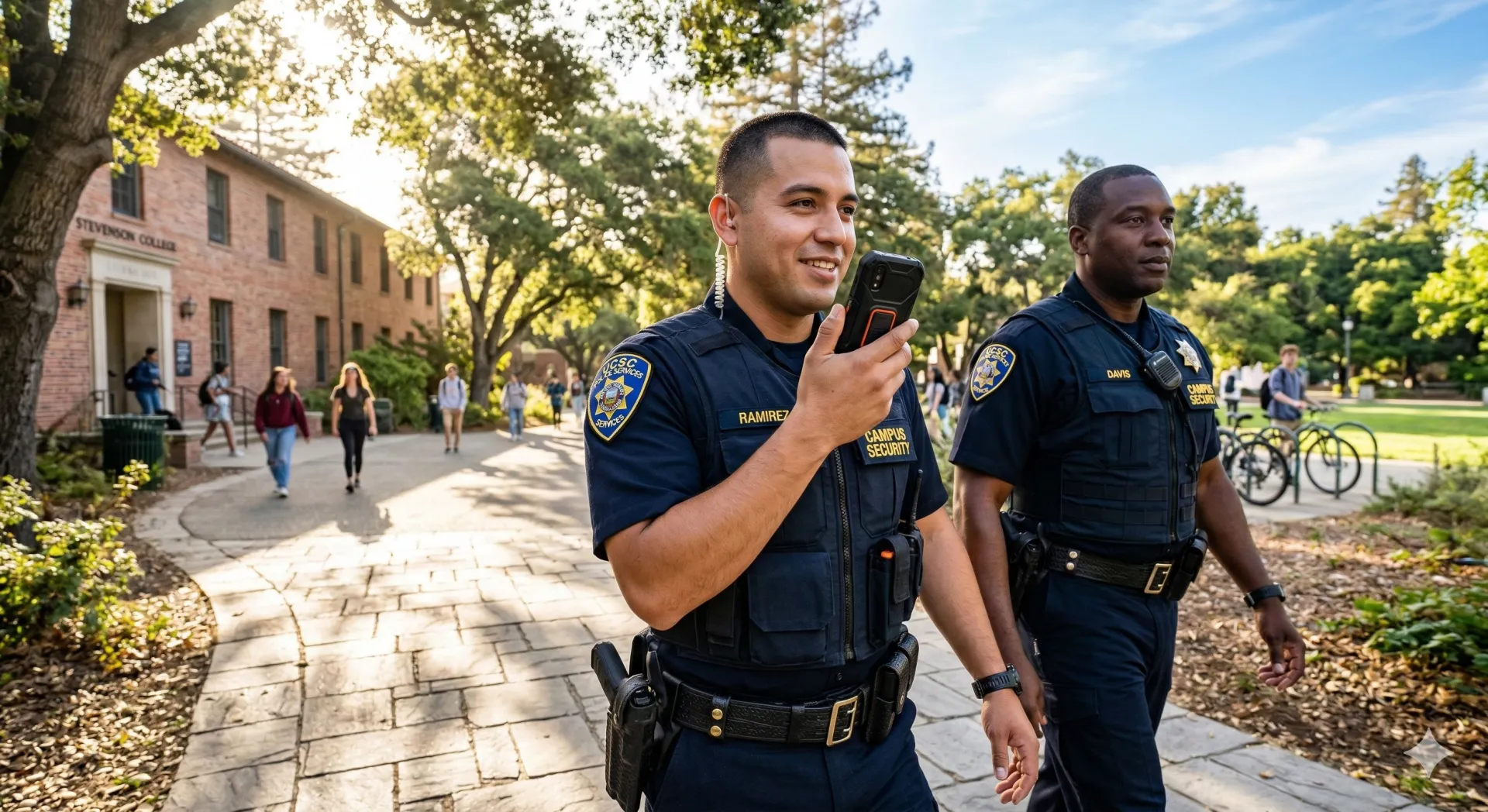
Security robots have rolled out of science fiction and into shopping centers, office buildings, and corporate campuses—autonomous units patrolling parking structures and lobbies that would have seemed fantastical a decade ago. The technology is real and getting better rapidly. But before investing in robotic security, operators need realistic expectations about what these machines can and cannot do. Robots excel at tireless, consistent patrol and data collection. They cannot replace human judgment, meaningful interaction, or physical intervention. Understanding this distinction determines whether robots become valuable tools or expensive disappointments.
Security robots excel at consistent patrol coverage and data collection but cannot replace human judgment, interaction, or intervention. They're best viewed as a supplement to human security, not a replacement.
What Security Robots Actually Do
Security robots offer genuinely useful capabilities, and the limitations are just as real. Knowing both sides keeps you from over-buying or under-using them.
Core robot capabilities include autonomous patrol of defined routes—the robot navigates a mapped area without human control, covering the same ground at the same intervals indefinitely. Video surveillance and recording create continuous documentation of patrol areas. Thermal imaging and anomaly detection identify heat signatures and changes from baseline conditions. License plate recognition automatically captures and logs vehicles. Environmental monitoring tracks temperature, air quality, and other conditions relevant to facility management. Two-way audio communication allows remote operators to speak through the robot and hear responses. And the visible presence of a distinctive patrol robot creates deterrent effect that affects behavior in the areas it covers.
What robots cannot do is equally important to understand. They cannot physically intervene in incidents—a robot cannot chase, tackle, restrain, or fight. They cannot make complex judgment calls that require human understanding of context and nuance. They cannot provide meaningful customer service beyond scripted interactions. They struggle to navigate unexpected obstacles, crowds, or changes from their programmed environment. They cannot respond to emergencies that require physical action. Most cannot handle stairs, rough terrain, or significant elevation changes.
The Robot Market Today
Several companies offer security robots with different capabilities suited to different environments. The market is evolving rapidly, with new entrants and capability improvements appearing regularly.
Indoor robots designed for controlled environments include products like the Knightscope K3, which provides indoor patrol with 360-degree camera coverage suitable for malls, lobbies, and office environments. Cobalt Robotics offers indoor robots with human operator backup, allowing remote security personnel to interact through the robot. Ava Robotics focuses on telepresence-oriented security, enabling remote presence and communication.
Outdoor robots designed for exterior environments include the Knightscope K5 for parking lot and outdoor patrol applications. Boston Dynamics Spot, the distinctive four-legged robot, handles varied terrain that wheeled robots cannot navigate. Otsaw Robotics O-R3 provides outdoor patrol with AI-powered detection capabilities.
The security robot market is evolving quickly. Vendors and product lines change — research current options before investing.
Where Robots Make Sense
Certain environments and use cases align well with robot capabilities, while others do not. Matching the technology to appropriate applications determines success.
Good fits: large parking structures with consistent layouts, where a robot can run the same patrol predictably. Data centers, where environmental monitoring rides along with the security patrol. Shopping mall common areas after hours, when there's little need for human interaction. Office building lobbies, where a robot backs up the human guard rather than replacing one. Manufacturing facilities with defined paths and stable layouts that a robot can map and follow.
Poor fits include locations requiring frequent human interaction—robots cannot provide customer service or handle complex requests. Sites with unpredictable or frequently changing layouts confuse robot navigation. Areas with stairs, rough terrain, or obstacles that exceed robot mobility. Situations that might require physical response to incidents. And budget-constrained operations where the investment cannot be justified by the specific benefits robots provide.
Understanding the Investment
Robot economics work nothing like guard economics—different cost structure, different payoff.
Investment requirements for robots are substantial. Pricing varies widely by vendor and model — expect a significant investment. Installation and mapping costs add to initial investment. Ongoing maintenance and repairs are inevitable with complex machinery. Software and updates require either vendor subscriptions or internal capability. Charging infrastructure must be installed and maintained.
Comparing robots to human guards reveals tradeoffs rather than clear winners. Robots don't take breaks, call out sick, quit unexpectedly, or require HR management. They provide consistent patrol coverage 24/7 without fatigue or distraction. There are no benefits, overtime, or workers' compensation costs. But robots cannot respond to situations, interact meaningfully with people, or adapt to unexpected circumstances. They require human monitoring and response capability somewhere in the system. The realistic comparison is robots supplementing human security, not replacing it entirely.
Implementation Requirements
Successful robot deployment requires site assessment, system integration, and attention to public relations that many implementations overlook.
Site assessment must examine floor surfaces and transitions that affect robot mobility, obstacles and congestion points that may block patrol routes, connectivity for data transmission to monitoring systems, weather exposure for outdoor units, and ADA compliance concerns since robots sharing pedestrian spaces must not create accessibility barriers.
Integration requirements include connection to monitoring centers that can receive and act on robot alerts, alert escalation procedures defining what triggers human response, coordination protocols between robots and human guards operating in the same spaces, and client reporting integration providing data from robot patrols.
Public relations considerations matter more than many implementations anticipate. Community acceptance varies—some populations find robots reassuring while others find them unsettling. Media attention can be positive or negative depending on circumstances and framing. Privacy concerns arise from constant video recording. Tenant and visitor reactions affect whether robots enhance or detract from property experience.
Limitations and Realistic Expectations
Technical and practical limitations constrain what robots can accomplish, and ignoring these limitations leads to failed implementations.
Technical limitations include battery life of 4-8 hours typical, requiring charging cycles that create coverage gaps. Weather limitations restrict outdoor operations during rain, extreme heat, or cold. Navigation difficulties arise when environments change from the original mapping. Connectivity requirements mean robots lose functionality in areas with poor network coverage. Vandalism and tampering vulnerability exists since robots cannot defend themselves and represent obvious targets for mischief or malice.
Practical limitations are equally constraining. Robots cannot chase, detain, or intervene in any physical sense. They are limited by their programming and cannot improvise responses to novel situations. Human monitoring and response capability must exist somewhere—robots are observation platforms, not response resources. Maintenance and repair requirements create ongoing operational demands. And the technology is changing rapidly, which means today's investment may be obsolete faster than expected.
Looking Forward
The trajectory of security robotics points toward increasing capability, decreasing cost, and broader adoption—but the fundamental nature of robots as observation tools rather than response resources is unlikely to change.
Capabilities are improving rapidly with better sensors, longer battery life, and smarter navigation. Costs are decreasing as technology matures and competition increases. AI is enhancing detection abilities, reducing false positives, and enabling more sophisticated analysis. Integration with drones and other systems creates comprehensive surveillance networks. Security robots will likely become more common in coming years as the technology proves its value in appropriate applications.
Security robots are tools that extend human capabilities, not replacements for human judgment and response. The most effective deployments pair robot observation and data collection with human decision-making and intervention capability.
Key Takeaways
- Robots provide consistent patrol and comprehensive data collection without fatigue
- They cannot replace human judgment, customer service, or physical intervention
- Specific environments—predictable layouts, minimal interaction needs—suit robots best
- Significant investment is required for purchase, installation, and ongoing maintenance
- View robots as supplements to human security, not complete replacements
Continue Reading
Video Analytics for Security: Beyond Basic Surveillance
AI-powered video analytics can detect intrusions, count people, and identify anomalies. This guide covers practical applications and integration strategies.
Florida Security Guard License Application: Division of Licensing Guide
Navigate the Florida Division of Licensing application process for security guards, including background checks, training providers, and processing timelines.

The 10 Best Security Guard Management Software Solutions in 2026
From enterprise platforms to mobile-first apps, we review the top security guard software options. Honest assessments of features, pricing, and who each solution works best for.