How to Reduce Security Guard Callouts: 9 Strategies That Work
Last-minute callouts disrupt operations and frustrate clients. These proven strategies help reduce no-shows and build a more reliable workforce.


The phone rings at 5 AM. A guard scheduled for the 6 AM shift won't be coming in. Now you're scrambling—calling down your roster, hoping someone answers, knowing that if you can't find coverage you'll either leave a site unmanned or work the shift yourself. This scenario plays out at security companies every day, and while call-outs can never be eliminated entirely, they can be dramatically reduced through systematic approaches.
Reduce call-outs through better scheduling practices, addressing root causes (transportation, second jobs), clear attendance policies, technology for shift swaps, and building adequate staffing depth.
Understanding the Real Reasons
The instinct when facing chronic call-outs is to crack down—stricter policies, faster discipline, harsher consequences. But punishment rarely solves problems rooted in circumstances rather than attitude. Before implementing solutions, you need to understand what's actually causing your guards to miss shifts.
Transportation issues top the list at many companies. Security guards often come from demographics where reliable car ownership isn't a given. A car that won't start, a suspended license, public transit that doesn't run at shift-change times—these aren't character flaws, they're practical obstacles. Some companies have reduced call-outs simply by learning which guards rely on transit and scheduling them for shifts that align with bus routes.
Second job conflicts create constant friction. In an industry where many positions don't offer full-time hours or living wages, guards often work multiple jobs to make ends meet. When schedules conflict, the job that pays more or offers more hours usually wins—even if the guard would prefer to keep both. Understanding who has second jobs and what their other schedule looks like prevents many conflicts before they happen.
Childcare breakdowns hit shift workers especially hard. Schools close for holidays and snow days. Babysitters cancel. Kids get sick. For single parents working security shifts that don't align with traditional childcare hours, these disruptions can make showing up impossible regardless of their commitment to the job.
Job dissatisfaction manifests as reliability problems before it becomes a resignation. Guards who feel disrespected, undervalued, or stuck in undesirable assignments develop an "I don't care" attitude that shows up first in their attendance. By the time they're calling out regularly, they've already mentally quit—you just haven't processed the paperwork yet.
Scheduling That Prevents Problems
Many call-outs are actually scheduling failures in disguise. A guard who was never available for Friday nights keeps getting scheduled for Friday nights, then calls out because—surprise—they're not available. The problem isn't the guard's reliability; it's the disconnect between their actual availability and your scheduling assumptions.
Building accurate availability profiles for each guard requires more than a single conversation during hiring. Life circumstances change. Second jobs come and go. Family obligations shift. Regular check-ins about availability—and actually using that information when building schedules—prevent conflicts before they become call-outs.
Consistent schedules reduce confusion and conflict. When guards work the same days and times each week, they can plan the rest of their lives around work. When schedules vary unpredictably, conflicts multiply. Consistency also makes it easier for guards to arrange reliable transportation and childcare.
Publishing schedules with adequate lead time shows respect for your guards' lives outside work and gives them time to resolve potential conflicts. Schedules released days before they start create preventable call-outs from guards who already made commitments for the shifts they didn't know they'd be working.
Matching guards to appropriate sites reduces friction that leads to call-outs. A guard with a 45-minute commute to a site when another site is 10 minutes from their home will eventually start finding reasons not to make that drive. Geographic assignment makes sense when possible.
Technology as a Force Multiplier
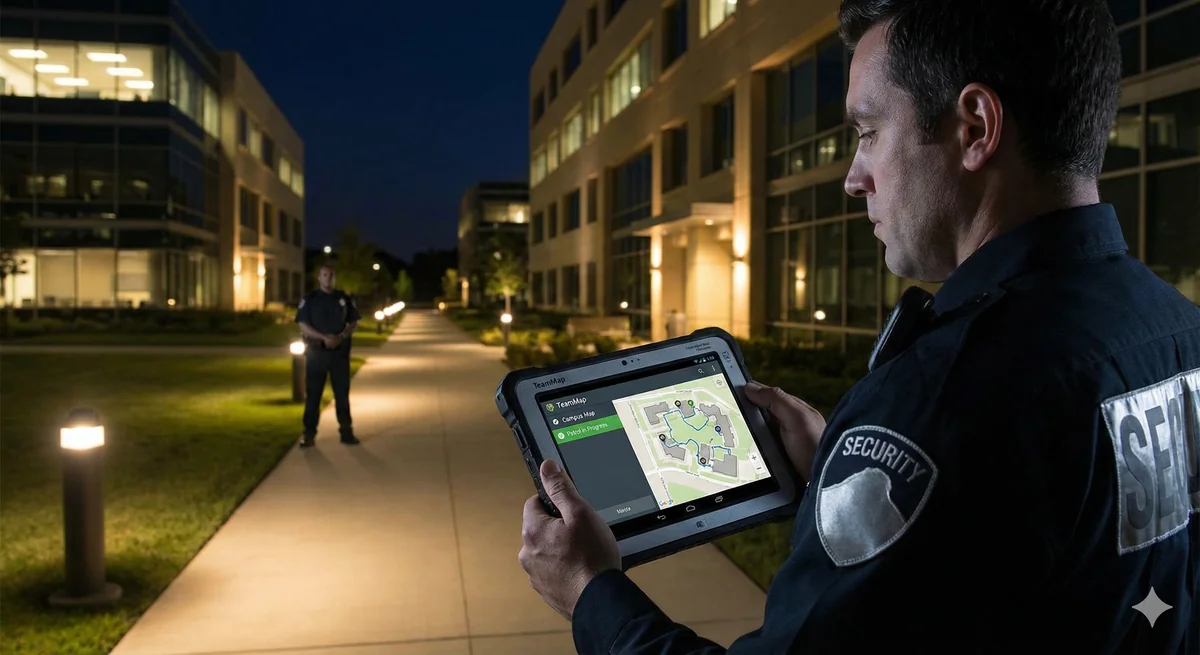
The right technology transforms call-out response from a supervisor manually working through a phone list to an automated system that finds coverage while you sleep. Shift swap platforms let guards trade shifts with each other, subject to your approval—solving coverage problems peer-to-peer rather than requiring supervisor intervention.
Open shift boards allow guards who want extra hours to claim available shifts instantly. When a call-out happens, the shift posts automatically and guards can grab it. The competition for extra hours at most companies means that attractive shifts fill quickly without supervisors making a single phone call.
Automated shift reminders significantly reduce no-shows from guards who simply forgot what day they were scheduled. A text message 12 hours before shift start catches mistakes before they become coverage emergencies. These reminders seem trivially simple, but they work.
Call-out tracking reveals patterns invisible in day-to-day firefighting. Which guards call out most frequently? Which sites have the highest call-out rates? Which days of the week? Which shifts? Data exposes root causes that feel random in the moment but show clear patterns when aggregated.
Policies That Actually Work
Attendance policies need teeth, but they also need to be realistic and fairly enforced. A policy that promises termination after three call-outs but never actually terminates anyone teaches guards that the policy is meaningless. A policy that terminates people for legitimate emergencies teaches guards that you don't care about them.
Progressive discipline gives guards chances to improve while making consequences clear. First occurrence triggers a documented verbal warning. Second triggers written warning. Third triggers final warning. Fourth triggers termination. This progression shows you're serious while giving people opportunity to change behavior.
Distinguishing between types of absences prevents unfair outcomes. A guard who calls out three hours before shift start is less disruptive than one who doesn't show up or call at all. A guard with a documented medical issue is different from one who calls out every time their favorite team plays. Policies should recognize these differences.
Incentivizing reliability often works better than punishing unreliability. Attendance bonuses, preferential shift assignments, or small perks for guards who maintain perfect attendance create positive motivation. When showing up consistently earns rewards, the calculation changes.
Building Depth to Absorb Call-Outs
Even the best prevention strategies won't eliminate call-outs entirely. People get sick. Emergencies happen. The question isn't whether you'll face unexpected absences, but whether you have the staffing depth to absorb them without crisis.
A staffing ratio of 1.2 to 1.5 times your minimum coverage requirement provides buffer. If you need 10 guards working at any given time, having 12-15 on the roster means absences don't immediately create gaps. This seems expensive until you compare it to the cost of overtime, service failures, and supervisor stress from constant scrambling.
Part-time and on-call guard pools provide flexibility. Some people want full-time work; others prefer picking up shifts when it suits them. Building a pool of reliable part-timers who can be called for coverage gives you options that full-time-only staffing doesn't provide.
Cross-training guards for multiple sites expands your coverage options. When any qualified guard can cover any site, finding coverage becomes much easier than when each site requires specific personnel. This investment in training pays dividends every time you need to fill an unexpected gap.
Key Takeaways
- Most call-outs stem from practical obstacles, not character flaws—understand root causes
- Accurate availability tracking and consistent scheduling prevent many conflicts
- Technology for shift swaps and open shift boards reduces supervisor scrambling
- Progressive discipline with consistent enforcement sets clear expectations
- Staffing depth is your best protection—build buffer into your roster
Continue Reading

Video Analytics for Security: Beyond Basic Surveillance
AI-powered video analytics can detect intrusions, count people, and identify anomalies. This guide covers practical applications and integration strategies.
Florida Security Guard License Application: Division of Licensing Guide
Navigate the Florida Division of Licensing application process for security guards, including background checks, training providers, and processing timelines.

The 10 Best Security Guard Management Software Solutions in 2026
From enterprise platforms to mobile-first apps, we review the top security guard software options. Honest assessments of features, pricing, and who each solution works best for.