Construction Site Security Best Practices: Theft Prevention and Safety
Construction sites are high-value theft targets. This guide covers perimeter control, access management, equipment tracking, and safety protocols for securing active job sites.

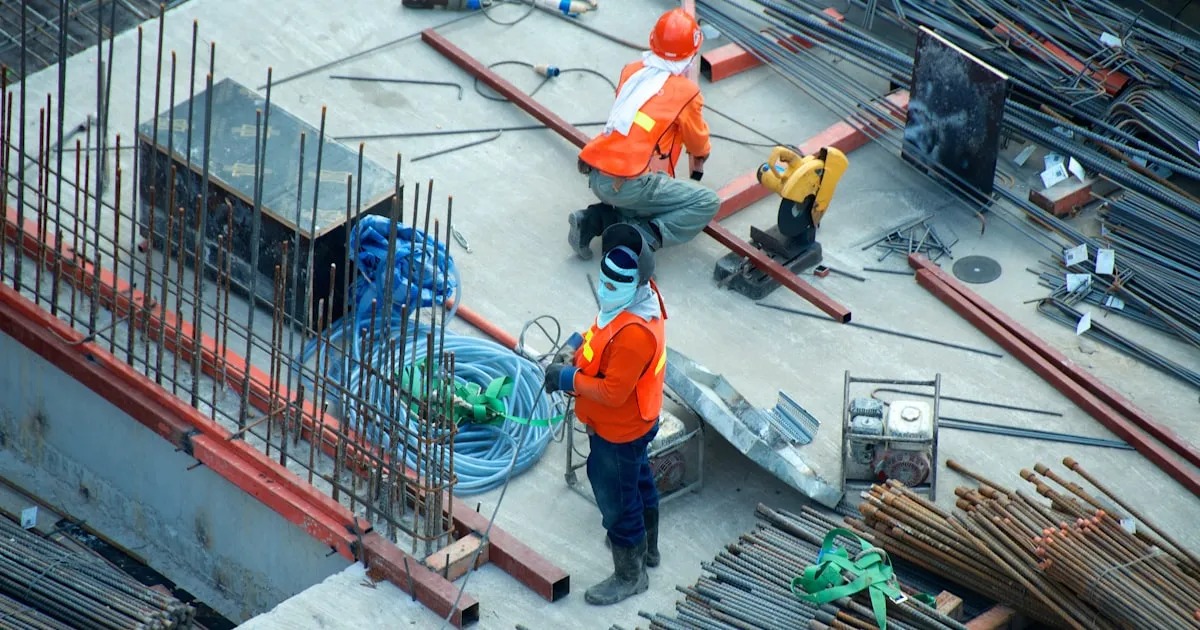
Construction sites represent one of the most challenging security environments. They're essentially outdoor warehouses filled with valuable equipment and materials, surrounded by temporary fencing, staffed by rotating crews of contractors who may not recognize each other, and left completely empty during nights and weekends. It's no wonder that construction theft costs the industry billions annually—but effective security practices can dramatically reduce your exposure.
Construction security requires perimeter control, equipment tracking, material lockup, and adaptable procedures as the site evolves. Mobile patrol combined with technology (cameras, GPS) is often most effective.
Why Construction Sites Are Different
Securing a construction site bears little resemblance to protecting a building or campus. The site itself changes daily—what was an open lot becomes a foundation, then a structure, then a building with interior spaces. Security plans that worked during excavation become obsolete when framing begins. Access points that made sense last week need revision when new areas open up.
The workforce creates additional complexity. A typical commercial construction project involves dozens of subcontractors rotating through based on the current phase of work. Electrical crews work during rough-in, then leave. Plumbers come and go. Drywall installers appear for a few weeks. None of these people know who "belongs" on site, making it easy for thieves to blend in during work hours by looking like they have a purpose.
The assets at risk are substantial and portable. Heavy equipment worth hundreds of thousands of dollars sits on site. Copper wire—frequently targeted by thieves—appears and disappears with electrical work phases. Power tools walk off with alarming regularity. Building materials stockpile for upcoming work, creating concentrated targets.
After-hours vulnerability is particularly acute. Unlike an office building with 24/7 occupancy, construction sites empty out at quitting time. From late afternoon until early morning—and all weekend—no one is present to observe problems. This extended vulnerability window is when most theft occurs.
Establishing Perimeter Control
The perimeter is your first line of defense, and on construction sites, it's inherently imperfect. Chain-link fencing provides some deterrence and clearly marks the site boundary, but determined thieves can cut through it in seconds. The goal isn't to make the site impenetrable—it's to make unauthorized access visible and time-consuming enough to create risk for thieves.
Gate management matters more than fence quality. Concentrate entry and exit through a single controlled point during work hours. Yes, this creates some inconvenience for workers who might prefer to enter closer to their work area. But single-point access makes it possible to know who's on site and creates a chokepoint where unauthorized entry becomes more obvious.
Lighting transforms passive security into active deterrence. Well-lit entry points, equipment storage areas, and perimeter sections create risk for thieves who depend on darkness. Motion-activated lights add surprise while reducing energy costs. Dark corners and blind spots on a construction site are invitations to theft.
Camera systems provide both deterrence and evidence. Visible cameras at entry points signal that activities are being recorded. Coverage of equipment staging areas captures anyone who attempts theft. When incidents do occur, footage helps identify perpetrators and supports insurance claims and prosecutions.
Protecting High-Value Equipment
Heavy equipment represents the largest concentration of value on most construction sites—and the largest potential loss. A single stolen excavator or loader can cost more than a year's worth of materials theft. Protecting this equipment requires layered approaches that deter theft, slow down thieves who try anyway, and enable recovery when prevention fails.
GPS tracking has transformed equipment recovery. Hidden trackers allow stolen equipment to be located and recovered, often within hours. The knowledge that equipment can be tracked also deters sophisticated thieves who understand that stolen heavy equipment with GPS becomes a liability rather than an asset. Track all major equipment—the cost is trivial compared to replacement value.
Immobilization measures add time and noise to theft attempts. Kill switches that disable ignition systems, wheel locks that prevent movement, and fuel shutoffs all require thieves to spend time defeating them—time during which they risk detection. The combination of immobilization and GPS tracking creates a powerful deterrent: even if they steal it, they may not be able to move it, and even if they move it, you'll know where it went.
Secure storage containers address the hand tool problem. Smaller equipment and power tools disappear constantly from construction sites because they're valuable, portable, and easy to conceal. Locking gang boxes and tool cribs that require check-out create accountability. When every worker knows that tools are tracked and secured nightly, casual theft becomes much harder to rationalize.
End-of-day procedures institutionalize equipment security. Every piece of equipment should have a designated secure location or configuration for overnight storage. Supervisors who verify compliance before leaving create accountability. This daily discipline is tedious but prevents the casual neglect that enables much construction theft.
Managing Material Inventory
Materials present different security challenges than equipment. They're often bulky and difficult to conceal, but they're also consumable—it's harder to prove something was stolen versus used legitimately. Copper wire, fixtures, appliances awaiting installation, and even lumber all attract thieves.
Just-in-time delivery reduces exposure by minimizing what's available to steal. Materials that arrive the day before installation spend less time on site vulnerable to theft. This approach requires coordination with suppliers and schedule discipline, but the security benefits—combined with reduced on-site congestion—often justify the effort.
When materials must be stockpiled, secure storage containers provide protection. High-value items like copper wire, fixtures, and appliances should never sit unsecured overnight. The cost of storage containers is minimal compared to the replacement cost of materials and the schedule disruption when stolen items delay installation.
Inventory tracking reveals problems quickly. When materials disappear, discovering the loss immediately—while memories are fresh and potential suspects are still on site—improves the chances of recovery or identification. Waiting until the foreman notices something missing days later makes investigation much harder.
Access Control in a Dynamic Environment
Construction site access control must balance security with the practical reality that dozens or hundreds of workers from multiple contractors need to come and go. Heavy-handed approaches that create bottlenecks or treat legitimate workers as suspects generate resentment without improving security. Light-touch approaches that don't actually track who's on site provide false assurance.
Sign-in procedures create accountability without creating lines. Workers and visitors recording their presence establishes who was on site when. This documentation matters for both security investigations and safety compliance—knowing who was on site when an incident occurred serves multiple purposes.
Contractor identification helps distinguish workers from intruders. Whether through badging systems, company shirt requirements, or simple hardhat color coding, making it possible to quickly assess whether someone "belongs" enables the workforce to self-police. When someone without identification wanders through, legitimate workers are more likely to notice and report it.
Exit inspection deters theft by creating consequences for attempting it. Random or systematic checks of vehicles and personnel leaving the site make workers think twice about pocketing tools or materials. The inspection doesn't need to catch every attempted theft—its primary value is deterrence.
Choosing the Right Security Model
Not every construction site needs the same level of security. A small residential remodel doesn't require 24/7 guards, while a multi-hundred-million-dollar commercial project might justify substantial security investment. Matching security approach to risk and value prevents both under-protection and excessive costs.
Mobile patrol provides the most common and cost-effective construction security. Regular drive-by checks at random intervals create unpredictability that deters opportunistic theft. Guards who actually get out, walk the perimeter, and check gates provide more value than those who simply drive past. The frequency and timing of checks should reflect the site's risk profile.
Standing guards make sense for high-value sites during high-risk periods. Major equipment deliveries, weekend stretches when no work is scheduled, or sites in high-crime areas may justify the cost of continuous on-site presence. Standing guards also provide immediate incident response capability that mobile patrol can't match.
Remote monitoring with response dispatch combines camera technology with human intervention. Cameras monitored off-site can detect activity and dispatch response when needed. This approach can be more cost-effective than continuous on-site presence while providing faster response than periodic patrol.
Key Takeaways
- Construction sites require security approaches that adapt as the project evolves
- GPS tracking on equipment dramatically improves recovery rates and deters sophisticated thieves
- Single-point access control during work hours enables accountability
- Just-in-time material delivery reduces the window of vulnerability
- Match security investment to site value and risk—not every project needs the same approach
Continue Reading

Video Analytics for Security: Beyond Basic Surveillance
AI-powered video analytics can detect intrusions, count people, and identify anomalies. This guide covers practical applications and integration strategies.
Florida Security Guard License Application: Division of Licensing Guide
Navigate the Florida Division of Licensing application process for security guards, including background checks, training providers, and processing timelines.

The 10 Best Security Guard Management Software Solutions in 2026
From enterprise platforms to mobile-first apps, we review the top security guard software options. Honest assessments of features, pricing, and who each solution works best for.