Data Center Security: Physical Protection for Digital Assets
Data centers require the highest levels of physical security. This guide covers multi-layer access control, mantrap configurations, and 24/7 monitoring protocols.

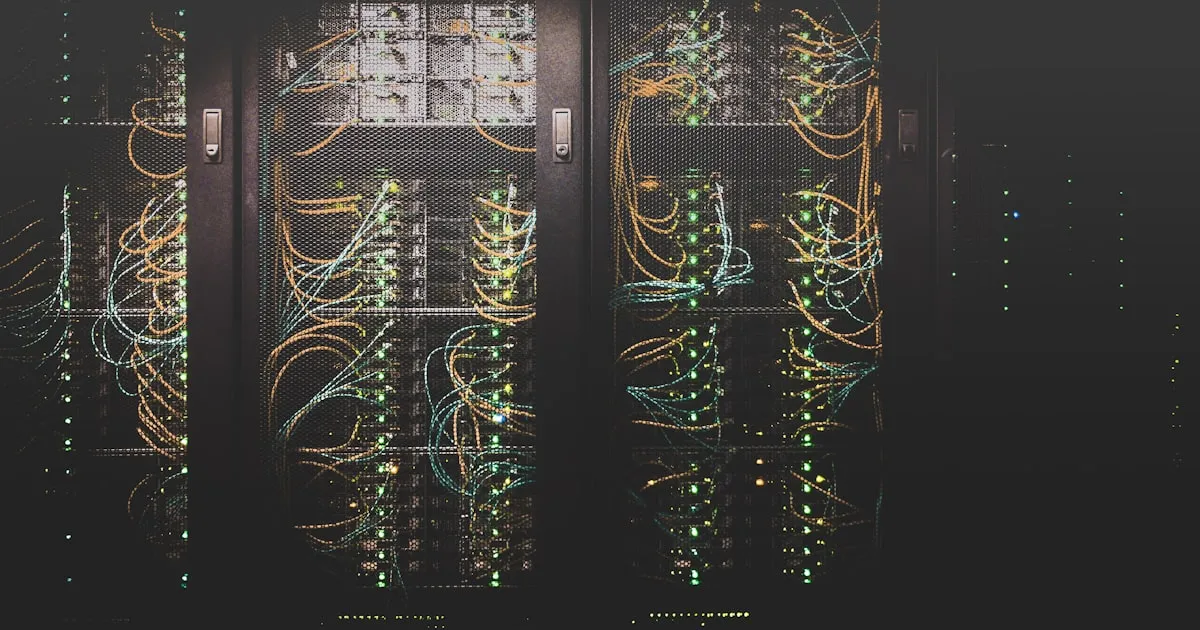
Data centers house the digital infrastructure that powers modern business—and they represent high-value targets for sophisticated adversaries. Physical security for data centers must be multi-layered, redundant, and integrated with logical security controls. A single breach can expose millions of records, trigger regulatory action, and destroy corporate reputations. Guards protecting these facilities need to understand both traditional physical security and the unique criticality of what they're protecting.
Data center security requires multiple layers: perimeter, building, computer room, and rack-level controls. Guards must understand both physical security and the critical nature of what they're protecting.
Defense in Depth Architecture
Data center security operates on the principle of defense in depth—multiple independent layers that an attacker must breach to reach protected assets. Each layer provides protection independently while also buying time for detection and response if outer layers fail.
The perimeter layer forms the outermost defense. Anti-ram vehicle barriers prevent hostile vehicles from breaching the property line, particularly important given the potential for vehicle-borne improvised explosive devices at high-value targets. Controlled entry points channel all traffic through monitored access locations. CCTV coverage of the entire perimeter enables continuous monitoring and provides forensic evidence if incidents occur. Motion detection systems and adequate lighting make covert approach difficult. Landscaping choices eliminate concealment opportunities that could shelter an attacker waiting for access opportunity.
The building exterior presents a deliberately uninviting appearance. Minimal signage avoids advertising the facility as a target—many data centers operate without any indication of what occurs inside. Reinforced construction resists forced entry attempts. Limited windows, or none at all, eliminate visual reconnaissance opportunities and potential breach points. Controlled loading docks manage the high-risk area where large vehicles approach the building. Emergency exit monitoring ensures that doors designed for egress don't become unauthorized entry points.
The building interior begins with lobby security and reception that screens all entrants. Visitor management systems track who enters and why. Badge access controls throughout the building create compartmentalization so that access to one area doesn't grant access to others. Mantrap entrances to secure areas prevent tailgating and ensure individual authentication. Escort requirements for visitors prevent unsupervised access to sensitive areas.
The data hall or computer room layer represents the highest security zone in the facility. Biometric access using fingerprint or retina scanning provides authentication that cannot be shared or stolen like badges or codes. Multi-factor authentication combines something you have (badge) with something you are (biometric) for stronger verification. CCTV within the space monitors all activity and provides evidence if incidents occur. Environmental monitoring integration alerts security to conditions that might indicate sabotage. Strict escort policies mean even authorized personnel may require accompaniment.
The cabinet or rack level provides the final layer for colocation facilities where different customers share space. Individual cabinet locks protect customer equipment from other tenants. Access logging per cabinet creates audit trails showing who accessed what equipment. Customer-specific access controls ensure that one tenant cannot access another's infrastructure. Tamper detection alerts to unauthorized access attempts.
Access Control Operations
Visitor management in data centers demands more rigor than typical commercial environments. Pre-authorization must be required—no walk-in visitors without prior arrangement and approval. Government ID verification confirms visitors are who they claim to be. Visitor badges must be visually distinctive from employee credentials to prevent confusion or social engineering. Escort requirements mean visitors are never unattended in secure areas. Sign-out verification confirms visitors actually departed and didn't remain in the facility.
Employee access follows the principle of least privilege—each employee receives only the access their job function requires. Thorough background checks screen all employees before granting any access. Tiered access based on job function means operations staff may enter technical areas while administrative staff cannot. Regular access reviews identify and remove permissions that are no longer appropriate as job functions change. Immediate revocation when employment ends prevents departed employees from retaining facility access. Comprehensive audit trails document all access for both security monitoring and compliance purposes.
Contractor management addresses the higher risk that outside workers present. Credentials and work orders must be verified before any contractor enters secure areas. Escorts accompany contractors to their work areas rather than allowing independent movement through the facility. Tool accountability ensures contractors don't leave equipment or devices behind, whether accidentally or deliberately. Verification of work completion confirms contractors didn't access areas or equipment beyond their authorized scope. Badge return at departure prevents credentials from being retained for future unauthorized access.
Mantrap and Anti-Tailgating Procedures
Mantraps—airlock-style dual-door entries where the first door must close before the second opens—provide critical protection against tailgating, the practice of following an authorized person through controlled access points. Only one person may enter per mantrap cycle; allowing anyone else through defeats the entire control. Weight sensors or turnstiles detect multiple people attempting to pass on single authorization. Cameras within the mantrap enable verification that the person who badged in matches the person who enters. Override procedures exist for emergencies but must never be used casually—each override creates a gap in the access control record. Regular testing of anti-tailgate systems verifies they continue functioning as designed.
Environmental Awareness
Security officers in data centers must understand environmental systems because environmental failures can be as damaging as security breaches—and because environmental alarms may indicate sabotage attempts.
HVAC systems maintain the precise temperature and humidity that computing equipment requires. Cooling failures can damage millions of dollars of equipment within minutes. Power systems including UPS (uninterruptible power supply) and generator infrastructure keep operations running through utility outages. Fire suppression typically uses clean agent systems rather than water to protect electronic equipment. Water detection systems identify leaks that could be catastrophic to equipment—even small amounts of water in the wrong location can cause massive damage.
Security response to environmental alerts requires understanding which alarms indicate what conditions and the appropriate response procedures. Knowing when to evacuate versus when to shelter in place prevents inappropriate responses that could cause additional damage. Maintaining contact lists for different alert types enables rapid notification of appropriate personnel. Most critically, security must not interfere with automated systems—fire suppression, power transfer, and other automated responses are programmed to protect the facility and should not be manually overridden without proper authorization.
Guard Responsibilities and Prohibitions
Primary guard duties in data center environments include continuous monitoring of access control systems to detect anomalies, thorough verification of all visitors and credentials, regular patrols of all areas including perimeter and interior spaces, monitoring of surveillance systems for suspicious activity, immediate response to alarms and alerts with appropriate escalation, and comprehensive documentation of all activity whether routine or exceptional.
Certain actions are absolutely prohibited for data center security officers. Never bypass access controls for any reason—if controls aren't working, the area remains secured until proper authorization addresses the situation. Never allow tailgating, even for familiar faces or people claiming emergency circumstances. Never leave credentials unattended where they might be borrowed or copied. Never discuss security measures with anyone outside the organization—details about procedures help adversaries plan attacks. Never allow unauthorized photography, as images of facility layouts and security measures provide intelligence value to attackers.
Compliance and Regulatory Requirements
Data centers frequently operate under multiple compliance frameworks that directly impact security procedures. SOC 2 (Service Organization Control) audits examine security controls and their consistent operation. PCI DSS (Payment Card Industry Data Security Standard) applies when facilities process or store payment card information. HIPAA (Health Insurance Portability and Accountability Act) governs facilities handling healthcare data. ISO 27001 provides an international framework for information security management. Security procedures must align with all applicable requirements, and guards should expect to participate in compliance audits that verify procedures are followed consistently.
Data center security failures can have massive consequences—regulatory fines reaching millions of dollars, lawsuits from affected parties, and reputational damage affecting the businesses of every customer relying on the facility. Every procedure exists for a reason; taking shortcuts creates risk for everyone.
Key Takeaways
- Multiple security layers provide defense in depth against sophisticated adversaries.
- Access control procedures must be followed without exception—no shortcuts.
- Mantrap and anti-tailgating controls are critical and non-negotiable.
- Understanding environmental systems enables appropriate alarm response.
- Compliance requirements drive many security procedures and mandate audit participation.
Continue Reading

Video Analytics for Security: Beyond Basic Surveillance
AI-powered video analytics can detect intrusions, count people, and identify anomalies. This guide covers practical applications and integration strategies.
Florida Security Guard License Application: Division of Licensing Guide
Navigate the Florida Division of Licensing application process for security guards, including background checks, training providers, and processing timelines.

The 10 Best Security Guard Management Software Solutions in 2026
From enterprise platforms to mobile-first apps, we review the top security guard software options. Honest assessments of features, pricing, and who each solution works best for.