Construction Site Security: Preventing Theft and Ensuring Safety
Construction sites lose billions annually to theft. Mobile patrols, access control, and GPS-tracked equipment are changing how contractors protect their sites.

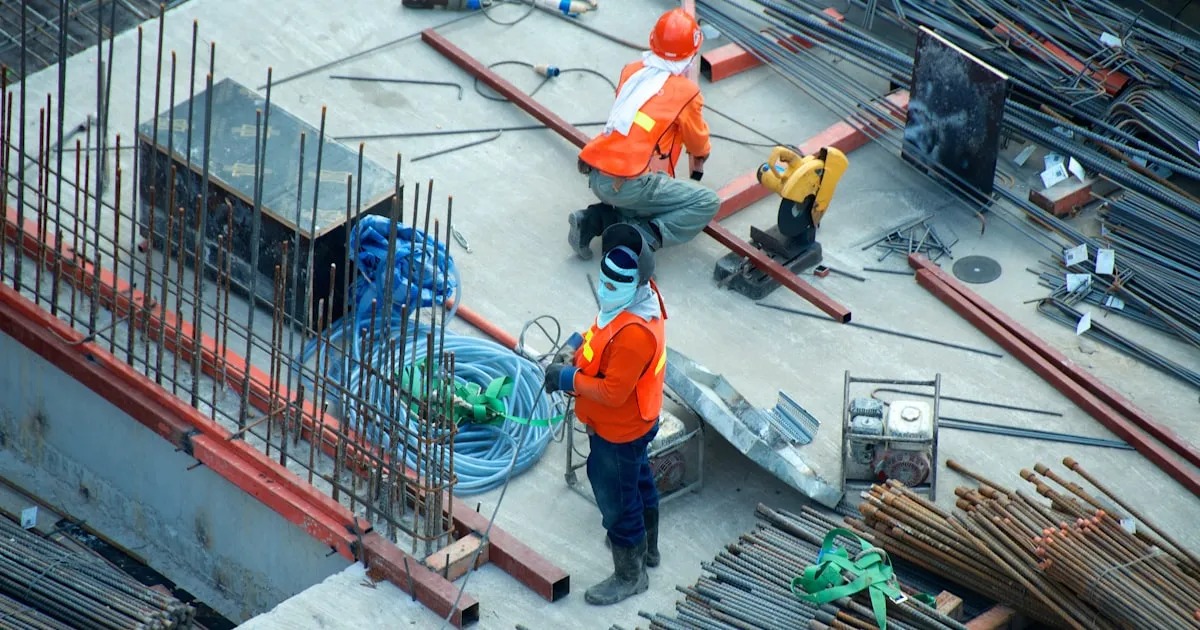
Construction sites attract thieves like few other environments. Materials, tools, and equipment sitting on partially secured sites represent easy targets, especially during overnight and weekend hours when no workers are present. Industry estimates suggest that construction theft costs billions annually in the United States alone, with most theft going unreported or unrecovered. Protecting your project requires understanding what gets stolen, implementing layered physical security, and choosing the right monitoring approach for your specific situation.
Protect construction sites with perimeter fencing, secure storage, and a layered approach: mobile patrol, remote monitoring, or on-site guards depending on project value. Add GPS tracking, alarms, and clear contractor security policies.
Understanding What Thieves Target
Construction site theft follows predictable patterns based on what's easily portable and resalable. Copper wire represents perhaps the most consistently targeted material due to its high scrap value and universal demand. Thieves will strip entire buildings of copper plumbing and wiring, sometimes causing tens of thousands in damage to steal hundreds in copper. Lumber and fixtures attract thieves who either use materials themselves or sell to other contractors at steep discounts.
Power tools and hand tools disappear from construction sites constantly. These items are portable, valuable, and easily sold on secondary markets where buyers don't ask questions. Unmarked tools from construction sites blend indistinguishably into pawn shop inventories and online marketplaces. Equipment theft targets generators, compressors, and heavy equipment—items requiring trucks or trailers to remove but commanding prices that make the logistics worthwhile for organized operations.
Fuel theft has increased as diesel prices rise. Thieves target equipment tanks, draining diesel from excavators, generators, and other machinery overnight. A single large piece of equipment might contain hundreds of dollars in fuel, and draining it requires minimal skill or specialized tools.
Physical Security Fundamentals
Perimeter control establishes the boundary that unauthorized individuals must breach to access the site. Fencing should completely enclose the active construction area with limited access points—preferably a single gate during active construction that can be secured after hours. Chain link remains the standard for most sites, though the specific height and topping (barbed wire, razor ribbon) depends on local regulations and threat level.
Locked gates after hours seem obvious but are frequently neglected when tired workers prioritize going home over security procedures. Gate locks should be high-quality and tamper-resistant; cheap padlocks invite bolt cutters. Adequate lighting serves both deterrent and detection functions—well-lit sites make covert activity difficult and enable camera systems to capture useful footage. Clear sight lines from the street or neighboring properties mean witnesses might observe unauthorized activity, and criminals know this.
Material storage demands attention proportional to value. Secure storage containers—often standard shipping containers modified with heavy-duty locks—protect valuable materials and tools from opportunistic theft. Inventory tracking systems document what's on site and where it should be located, enabling detection of losses before they accumulate. Just-in-time delivery reduces the amount of material present at any given time, minimizing exposure. Separate, enhanced storage for high-value items concentrates protection resources where they matter most.
Choosing Your Security Approach
Mobile patrol provides cost-effective security for large sites or companies managing multiple projects. Security vehicles visit sites at random intervals, checking perimeter integrity, gate locks, and overall site condition. The unpredictable timing deters thieves who might learn and avoid a fixed schedule. Mobile patrol also provides response capability when alarm systems detect potential intrusions, with officers able to investigate and contact law enforcement if necessary.
Remote monitoring uses technology to provide 24/7 coverage without constant human presence. Camera systems with night vision capability capture activity in darkness when most theft occurs. Motion-activated alerts notify monitoring centers when movement is detected, triggering human review of camera feeds. Two-way audio systems allow monitoring personnel to warn intruders that they're being watched and recorded, often causing them to flee before theft occurs. This approach costs significantly less than around-the-clock guard staffing while providing continuous coverage.
On-site guards become appropriate for high-value projects where the cost of protection is justified by the assets being protected. Major construction projects, sites with expensive equipment or materials, and projects in high-theft areas may warrant dedicated security presence. Guards can provide access control during work hours, verifying that visitors have legitimate business and tracking equipment sign-outs. After hours, guard presence provides immediate response capability that remote systems cannot match.
Technology Integration
GPS tracking on equipment enables recovery even if theft occurs. Modern tracking devices are small, inexpensive, and can be hidden in equipment where thieves are unlikely to find them. When equipment disappears, tracking allows law enforcement to locate it quickly, often before it's stripped or resold. The deterrent value increases when signage indicates that equipment is GPS-tracked.
Alarm systems on storage containers alert monitoring services when unauthorized access is attempted. Simple contact alarms detect when doors are opened; more sophisticated systems include vibration sensors that detect cutting or prying attempts. Drone surveillance has emerged as an option for large sites where ground-based cameras cannot cover the entire area. Scheduled or on-demand drone flights can survey sites quickly and identify unauthorized vehicles or activity. Digital access control and logging systems track who enters the site, when they arrive, and when they leave—useful both for security and for contractor management purposes.
Contractor Coordination
Construction sites involve numerous contractors and subcontractors, each bringing their own workers and equipment. Clear security policies must apply to everyone on site, regardless of which company employs them. These policies should address gate procedures, tool security, reporting requirements, and consequences for violations.
Visitor and vendor verification ensures that people claiming to be delivery drivers or inspectors actually have legitimate business. Accepting deliveries from unknown individuals creates obvious theft opportunities. Tool and equipment marking—whether through paint, engraving, or electronic tags—makes stolen items identifiable and less attractive to thieves who prefer anonymous merchandise. Incident reporting procedures ensure that theft, vandalism, or suspicious activity gets documented and communicated, enabling pattern recognition and appropriate response.
Key Takeaways
- Copper wire, tools, equipment, and fuel are primary theft targets on construction sites.
- Perimeter fencing, secure storage containers, and just-in-time delivery reduce exposure.
- Choose mobile patrol, remote monitoring, or on-site guards based on project value and risk.
- GPS tracking enables equipment recovery and provides additional deterrent value.
- Clear contractor security policies and incident reporting create site-wide accountability.
Continue Reading

Video Analytics for Security: Beyond Basic Surveillance
AI-powered video analytics can detect intrusions, count people, and identify anomalies. This guide covers practical applications and integration strategies.
Florida Security Guard License Application: Division of Licensing Guide
Navigate the Florida Division of Licensing application process for security guards, including background checks, training providers, and processing timelines.

The 10 Best Security Guard Management Software Solutions in 2026
From enterprise platforms to mobile-first apps, we review the top security guard software options. Honest assessments of features, pricing, and who each solution works best for.