Routes and Waypoints: Plan Smarter Patrols
Define patrol routes with specific waypoints, timing requirements, and verification methods. Guards follow the route, you verify completion—simple.
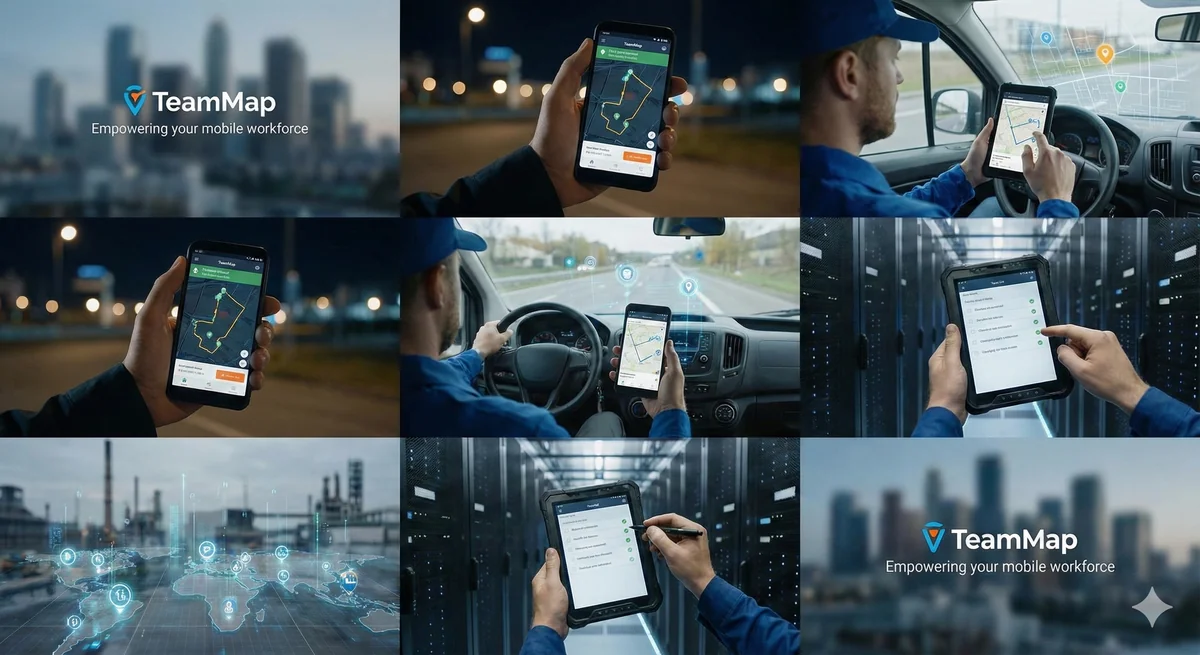
Telling a guard to "patrol the property" is vague. Defining a route with specific waypoints, timing, and verification makes expectations clear and performance measurable.
Define patrol routes with specific waypoints, timing targets, and verification methods (GPS, NFC, QR, photo). Track progress in real-time, measure completion, and compare performance against standards.
Building a Route
A route is a sequence of waypoints that guards visit in order:
- Create a new route and give it a name
- Add waypoints by dropping pins on the map
- Name each waypoint (e.g., "North Gate", "Server Room")
- Set time targets for reaching each waypoint
- Choose verification method for each stop
Verification Methods
How do you know the guard actually visited each waypoint?
- GPS proximity: Guard's location must be within specified distance of waypoint.
- NFC scan: Guard taps NFC tag placed at waypoint.
- QR code scan: Guard scans QR code at waypoint.
- Photo capture: Guard takes photo at waypoint.
- Manual check-in: Guard confirms arrival in app.
Choose based on your needs. NFC is most tamper-resistant. GPS is most convenient. Photo provides visual evidence.
Timing and Pacing
Routes can include timing expectations:
- Total route time: How long the full patrol should take.
- Waypoint timing: Expected arrival time at each stop.
- Dwell time: Minimum time spent at each waypoint.
- Alerts: Notification if guard is ahead or behind schedule.
Route Templates
Create route templates for reuse:
- Define once, assign to multiple shifts
- Different routes for different times (day vs. night patrol)
- Seasonal variations (summer vs. winter routes)
- Easy updates when routes need to change
Route Progress Tracking
While a route is in progress:
- Map shows guard's current position on route
- Completed waypoints are marked
- Upcoming waypoints are highlighted
- Timeline shows actual vs. expected progress
Completion Reporting
After routes are completed:
- Completion percentage for each route
- Time spent at each waypoint
- Waypoints missed or skipped
- Comparison against route standards
- Trends over time
Getting Started
Routes are available now. Create your first route from the Routes menu. Start simple—a few waypoints with GPS verification—and add complexity as your team gets comfortable.
Verification Methods
- GPS proximity—most convenient for general use
- NFC scan—most tamper-resistant for high-security
- QR code—good balance of security and ease
- Photo capture—provides visual evidence
Create your first route from the sidebar — add waypoints, set timing targets, and assign it to a guard.
Continue Reading
Video Analytics for Security: Beyond Basic Surveillance
AI-powered video analytics can detect intrusions, count people, and identify anomalies. This guide covers practical applications and integration strategies.
Florida Security Guard License Application: Division of Licensing Guide
Navigate the Florida Division of Licensing application process for security guards, including background checks, training providers, and processing timelines.
The 10 Best Security Guard Management Software Solutions in 2026
From enterprise platforms to mobile-first apps, we review the top security guard software options. Honest assessments of features, pricing, and who each solution works best for.