Meet Your AI Assistant: Smarter Scheduling and Instant Answers
Our new AI-powered assistant helps with shift scheduling suggestions, answers questions about your operations, and provides intelligent insights—all through natural conversation.
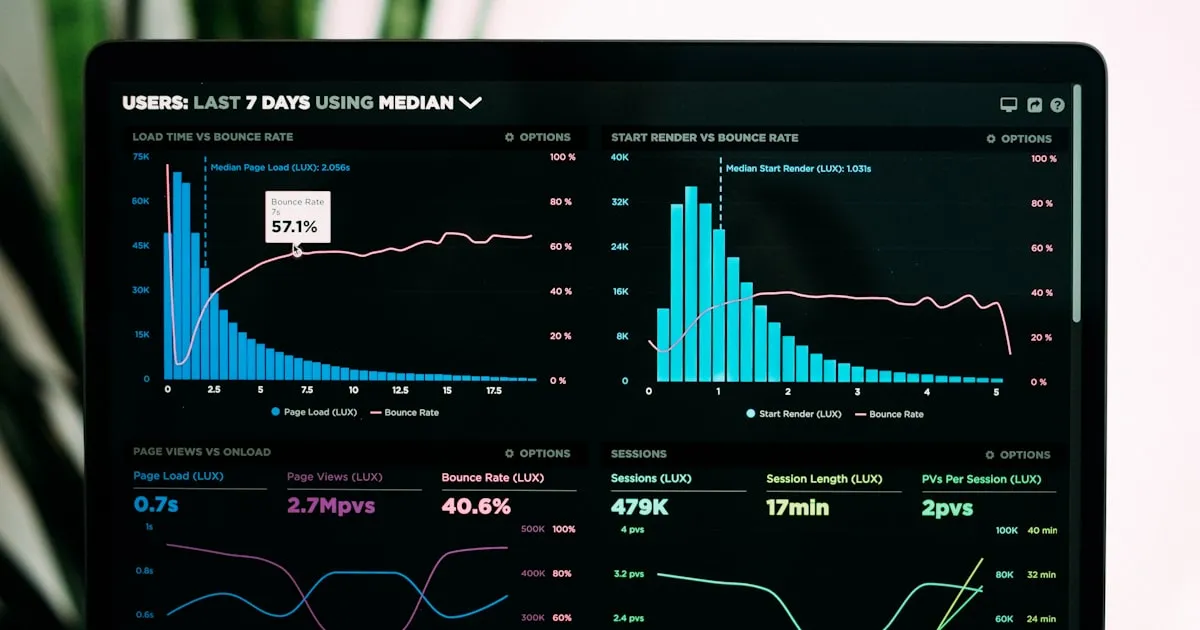
Building next week's schedule shouldn't take three hours. We're adding smart tools to TeamMap that learn how your operation runs and help you make faster scheduling decisions.
TeamMap's AI add-on learns your routines and suggests what to do next—like creating patrol routes on Monday morning or filling an open shift with the closest available guard. Optional add-on at $15/month.
It Learns Your Routine
The app starts picking up on your habits. If you create patrol routes every Monday morning, it'll remind you before you even think about it. If you always assign the same guard to Site B on weekends, it'll suggest that when you're building the schedule.
Think of it like a dispatcher who's been with your company for ten years—they just know the routine. Except this one never calls in sick.
Help Building Schedules
The bigger goal: you tell it "I need 20 guards covering 8 sites next week" and it drafts a starting schedule. It checks who's available, who has the right certifications for each site, and who's getting close to overtime. You look it over, make changes, and hit approve.
Nothing goes live without you saying yes. We're building this out step by step—starting simple and adding more as we go.
What It Costs
It's an optional add-on at $15/month. Not every company needs it, so we don't bake it into the base price. If you don't turn it on, nothing changes about how your account works. Your data stays private—we don't share it with anyone.
Key Takeaways
- Learns your routine and reminds you what to do next
- Drafts schedules based on who's available and certified
- Nothing happens without your approval
- Optional $15/month add-on
Continue Reading

Video Analytics for Security: Beyond Basic Surveillance
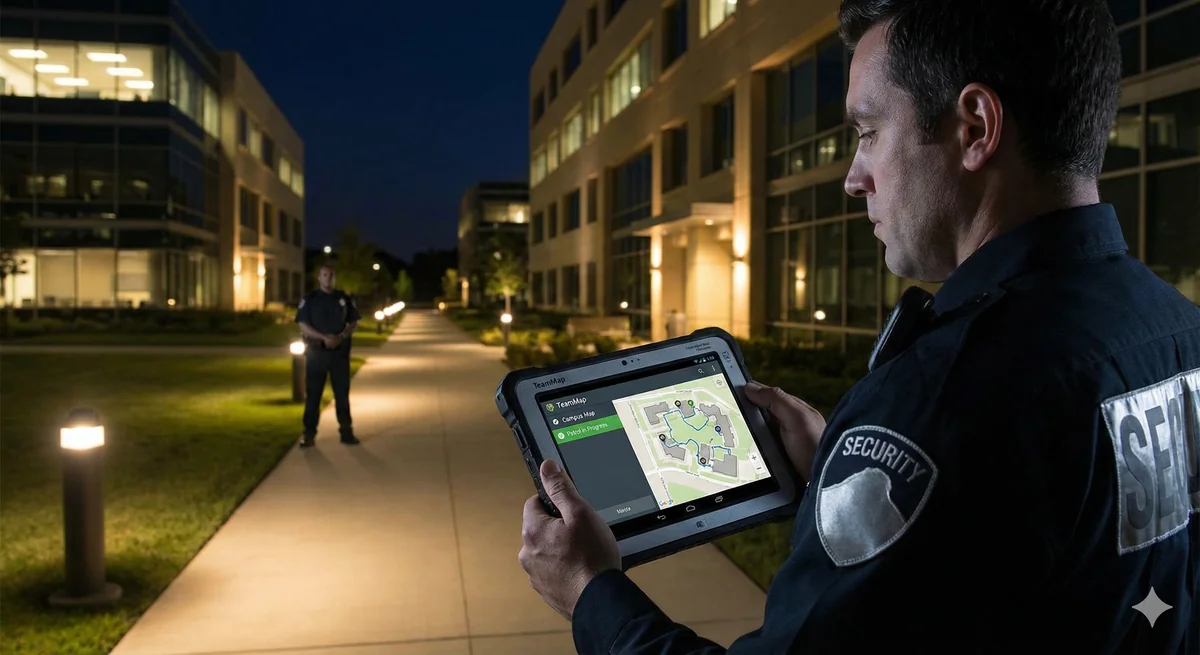
AI-powered video analytics can detect intrusions, count people, and identify anomalies. This guide covers practical applications and integration strategies.
Florida Security Guard License Application: Division of Licensing Guide
Navigate the Florida Division of Licensing application process for security guards, including background checks, training providers, and processing timelines.
The 10 Best Security Guard Management Software Solutions in 2026
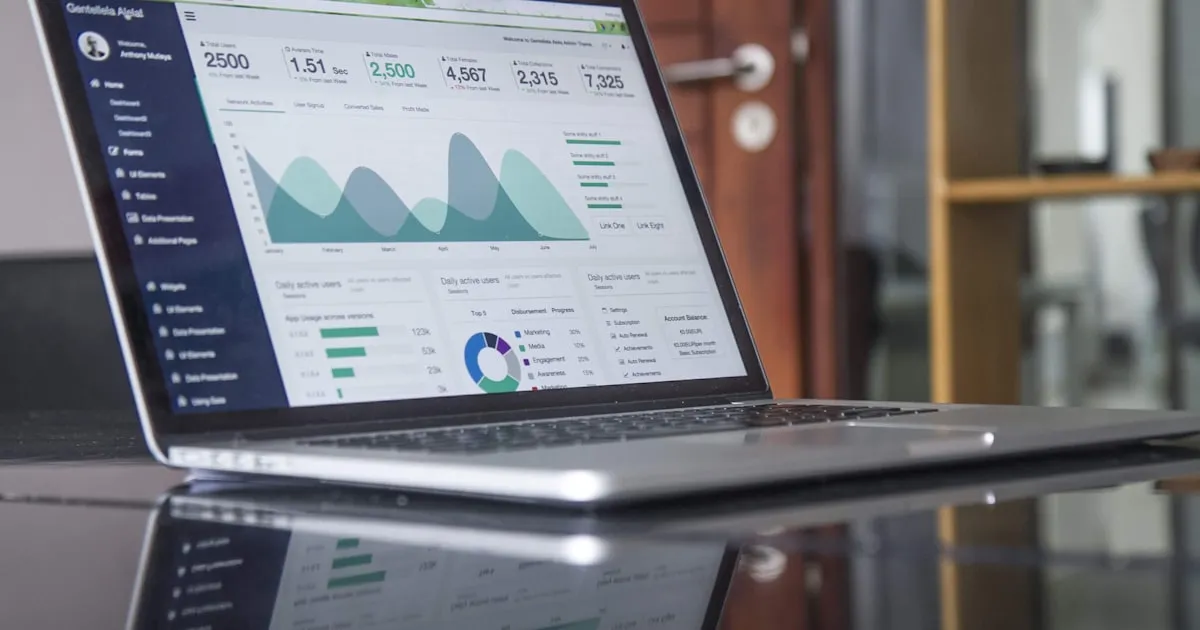
From enterprise platforms to mobile-first apps, we review the top security guard software options. Honest assessments of features, pricing, and who each solution works best for.